
Microwave (electromagnetic waves): properties, history and uses
Microwaves are electromagnetic waves with wavelengths roughly 1 m–1 mm. This article explains their physical characteristics, history, common applications (radar, communications, ovens), and safety considerations.
Microwaves are a portion of the electromagnetic spectrum characterized by relatively short wavelengths and correspondingly high frequencies. Broadly they span wavelengths from about 1 metre down to 1 millimetre (frequencies roughly 300 MHz to 300 GHz); a narrower definition commonly used in engineering covers roughly 300 mm to 3 mm (about 1 GHz to 100 GHz). They are a form of electromagnetic radiation closely related to radio waves and light, and often discussed simply as a type of radio wave when used for communications.
Image gallery
10 Images






Physical characteristics and behavior
Microwaves share the same basic properties as other electromagnetic waves: they travel at the speed of light in vacuum, can be reflected, refracted and absorbed, and can carry information. Unlike longer radio waves, microwaves tend not to diffract much around obstacles and therefore generally require line-of-sight paths for point‑to‑point links. Their propagation is also affected by atmospheric absorption, with certain frequency bands attenuated by water vapour and oxygen. Metals reflect microwaves, a principle used in shielding and oven cavities; many dielectrics (materials containing water or polar molecules) absorb microwaves and convert energy into heat.
History and scientific context
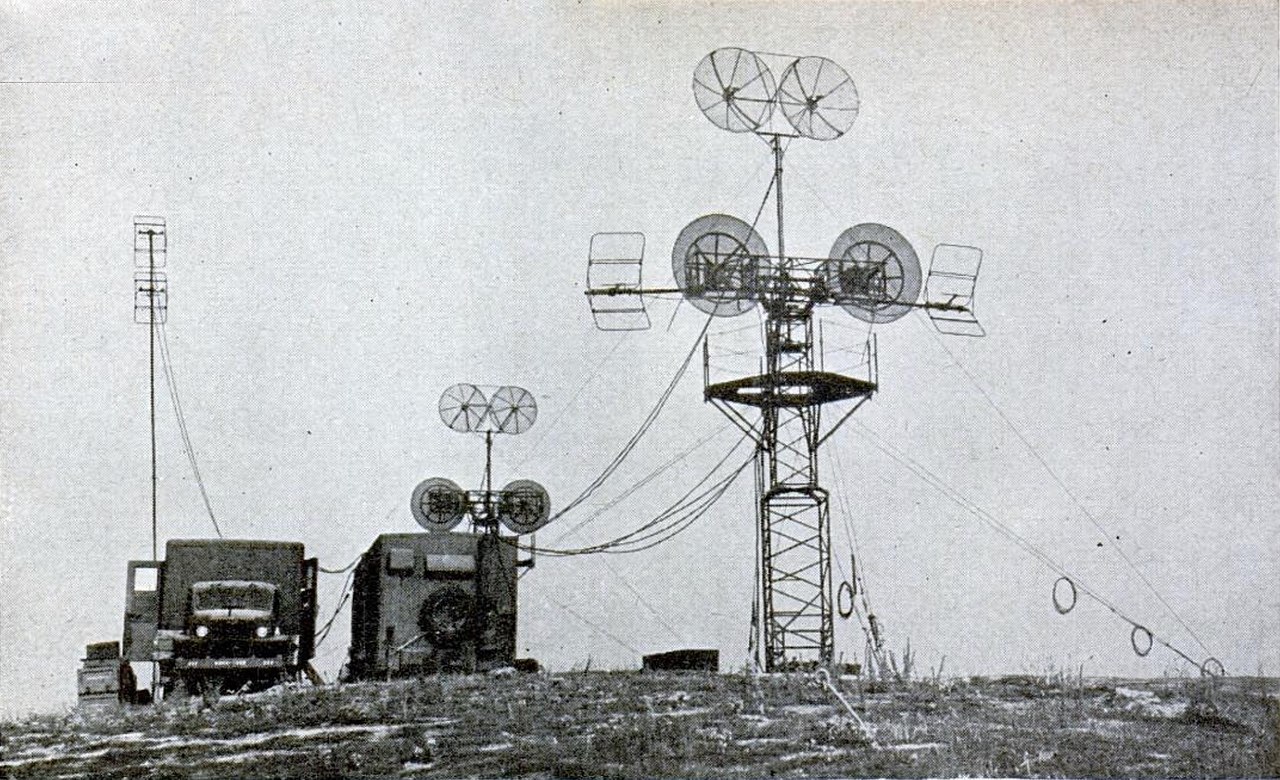
Experimentation with short-wavelength radio waves began in the late 19th century; early demonstrations of electromagnetic waves were performed by Heinrich Rudolf Hertz. Practical applications expanded in the 20th century as electronic generation and detection techniques improved. Microwave radar proved decisive in military and aviation contexts before and during World War II, and radio astronomy later used microwaves to discover and study astronomical sources. The discovery of the cosmic microwave background radiation in the 1960s provided a cornerstone observation for cosmology.
Major uses and examples
Microwaves have a wide range of civilian and scientific applications. Common categories include:
- Communications: microwave links, satellite uplinks and downlinks, and many wireless systems use microwave bands because they support high data rates and compact antennas. See also communication and the importance of bandwidth.
- Radar and remote sensing: pulse and continuous-wave radars operate in microwave bands to detect objects and measure distance, speed and surface properties (radar).
- Radio astronomy: astronomers observe microwave emissions from molecules, interstellar gas and the sky background to study astrophysical processes (radio astronomy).
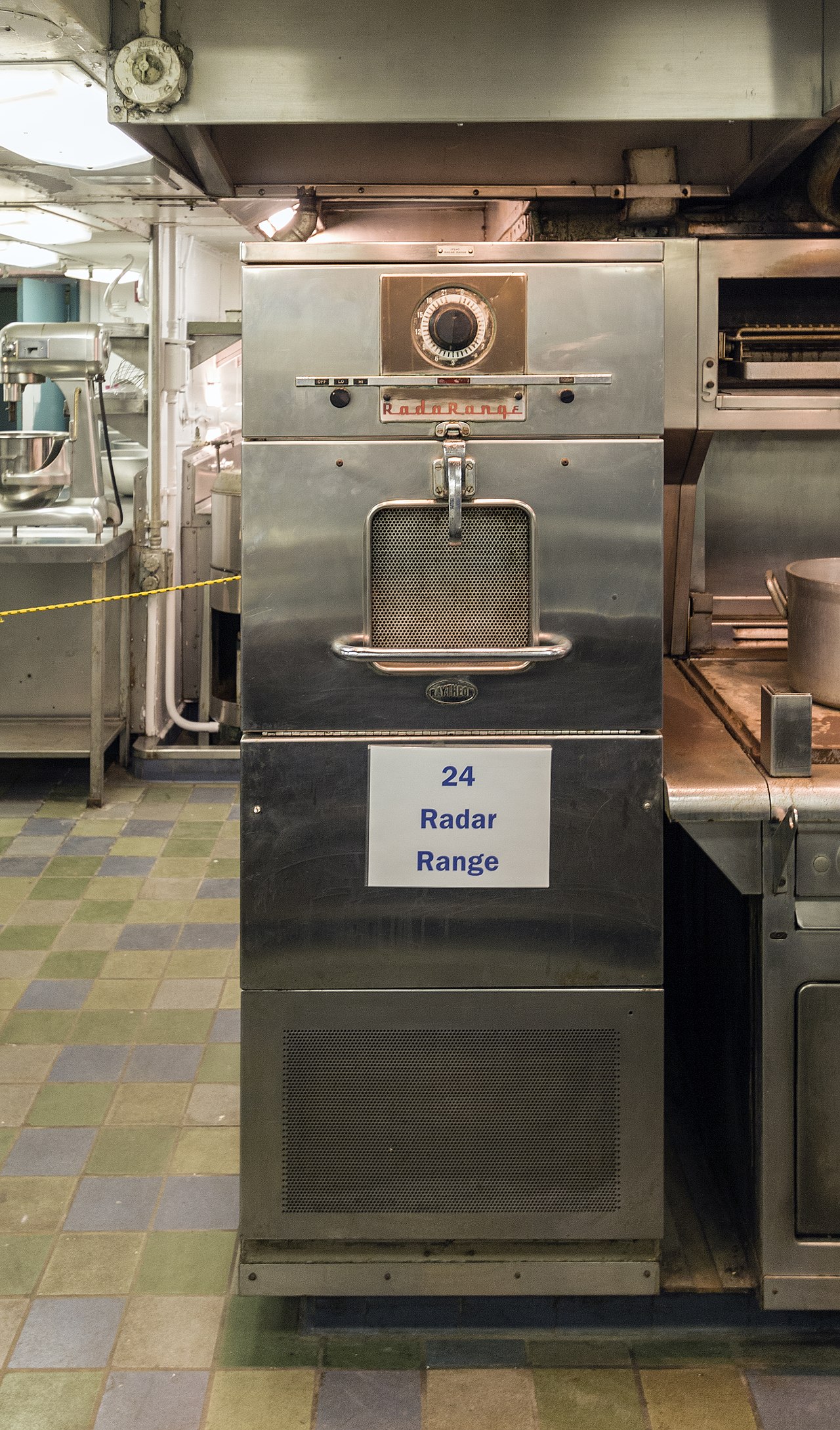
- Heating and cooking: microwave ovens use a specific microwave frequency to agitate polar molecules in food, producing heating by dielectric loss; this is one common way to achieve rapid heating food in a household microwave oven.
- Spacecraft and scientific telemetry: nearly all spacecraft communicate with Earth using microwave radio bands because of their directional properties and atmospheric transmission characteristics (spacecraft communication).
Technical distinctions and practical notes
Engineers distinguish microwave bands by frequency (L, S, C, X, Ku, K, Ka and others) to manage regulatory allocation and optimize for range, capacity and weather tolerance. Higher microwave frequencies allow smaller antennas and higher potential data throughput, but they are more susceptible to rain and atmospheric loss. Common consumer technologies use microwave frequencies: household ovens commonly operate near 2.45 GHz, and Wi‑Fi and Bluetooth systems also use microwave bands.
Safety and notable facts
Microwave radiation is non‑ionizing: it does not carry enough energy per photon to break chemical bonds or ionize atoms, unlike X-rays or gamma rays. The primary hazard is thermal — prolonged or intense exposure can heat tissue. Safety designs exploit reflection and absorption properties: oven cavities are metal, and doors use conductive meshes with hole sizes small compared with the wavelength to prevent leakage. Regulatory limits, engineering controls and common‑sense practices keep routine exposure from consumer devices well within safe bounds.
For additional overviews and technical references about microwave science and applications, consult specialist textbooks and standards documents or visit introductory resources on radio waves, microwave engineering and observational techniques in radio astronomy or radar technology (radar).
Related articles
Author
AlegsaOnline.com Microwave (electromagnetic waves): properties, history and uses Leandro Alegsa
URL: https://en.alegsaonline.com/art/64644