
Microwave oven
A microwave oven (microwave) is a common kitchen appliance that heats food by exposing it to microwave-frequency electromagnetic waves, offering rapid reheating, defrosting and specific cooking techniques.
A microwave oven, often shortened to microwave, is an electric kitchen appliance designed to heat and cook food by exposing it to microwaves, a portion of the electromagnetic spectrum closely related to radio wave energy. Microwaves penetrate food and cause polar molecules—most importantly water—to oscillate, converting electromagnetic energy into thermal energy and producing rapid internal heating.
Image gallery
10 Images


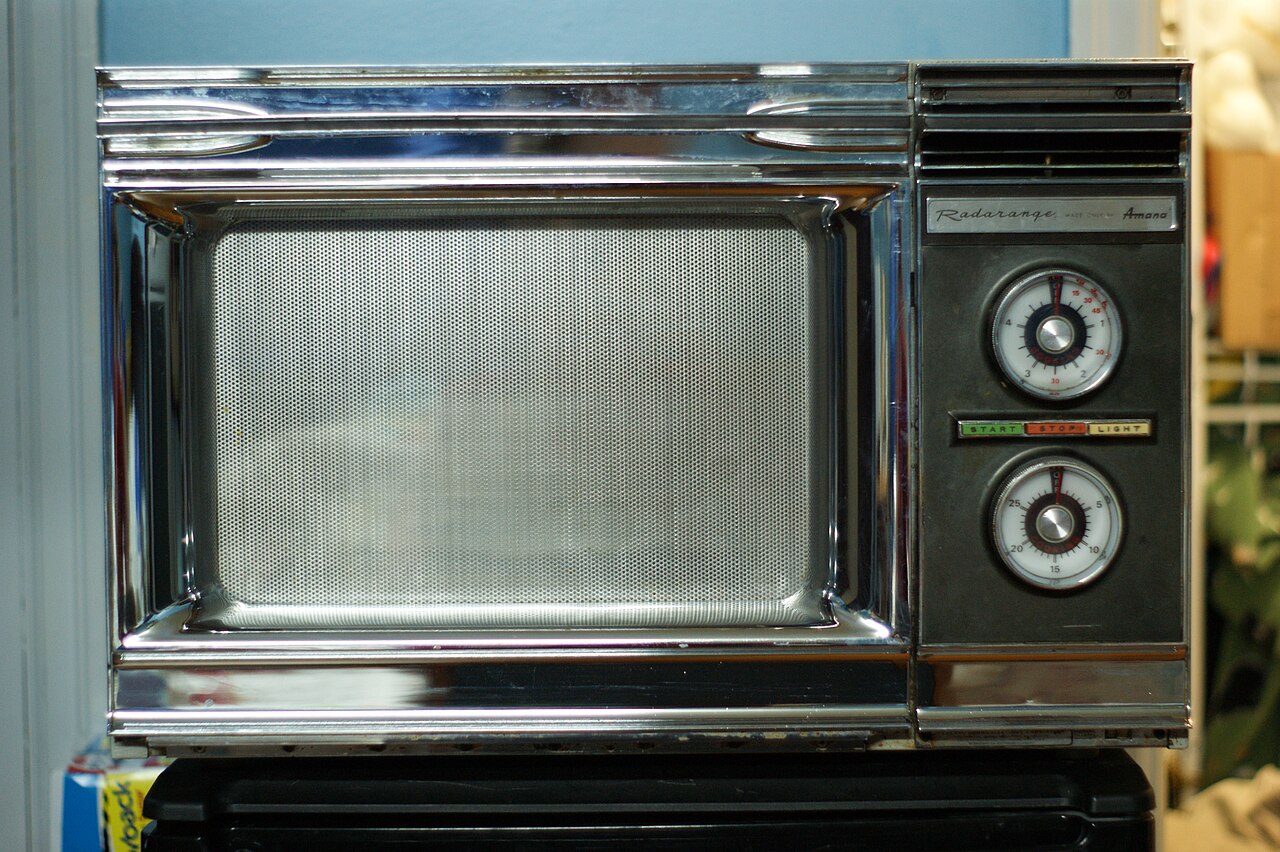

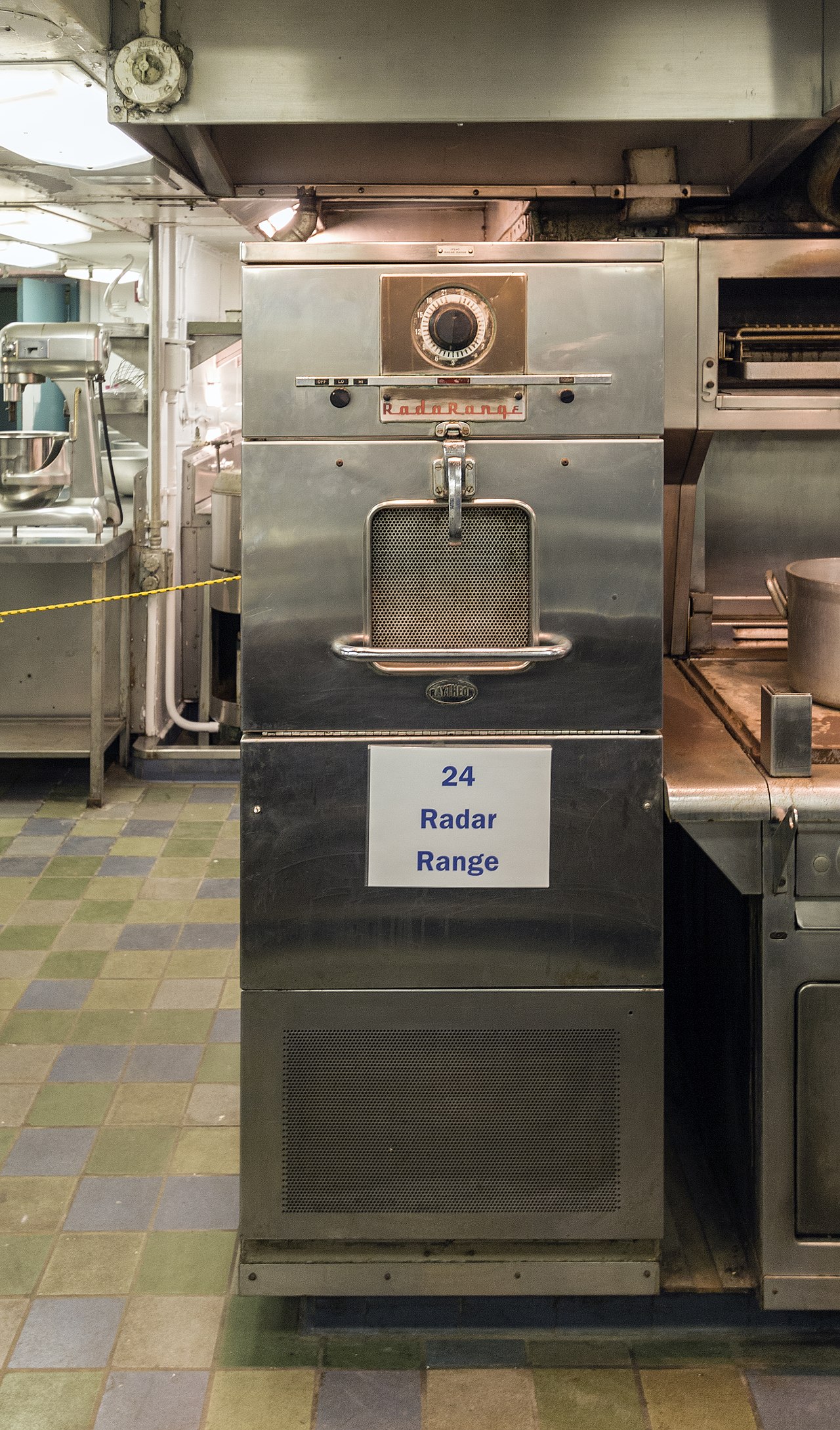


How it works
Inside a typical microwave a vacuum tube called a magnetron generates high-frequency microwaves, which are directed into a metal cooking chamber. The waves reflect within the cavity and interact with the food; a rotating turntable or mode stirrer helps distribute energy more evenly. Unlike conventional ovens, microwaves do not primarily heat the surrounding air, so cooking times are shorter for many tasks. Power is usually regulated in duty cycles rather than by directly setting a temperature.
Components and types
- Magnetron or other microwave source.
- Cavity with metal walls and safety interlocks.
- Waveguide and shielding to direct energy and prevent leakage.
- Turntable or mode stirrer for even exposure.
- User interface: timer, power levels, preset programs and sometimes sensors.
Common consumer varieties include solo microwaves for reheating, grill or combination models that add a browning element, and convection microwaves that combine forced-air baking with microwave heating.
History and development
The practical application of microwave energy to cooking emerged from radar and high-frequency electronics research in the mid-20th century. A widely repeated account credits an engineer who noticed a chocolate bar melting in his pocket near an active magnetron, which encouraged experiments and led to the first commercial units. Since then, size, cost and safety features have improved and microwaves became a standard household appliance.
Uses, benefits and limitations
Microwave ovens are valued for reheating leftovers, defrosting, warming beverages and speeding many simple cooking tasks. They are energy-efficient for short-duration heating and preserve some nutrients by reducing cooking time. Limitations include less ability to brown or crisp food without added accessories, potential for uneven heating or hot spots, and special care when heating liquids to avoid superheating.
Safety, maintenance and misconceptions
- Use only microwave-safe containers; avoid most metals that can spark and some plastics that can leach chemicals.
- Do not operate with damaged doors or seals; built-in shielding and interlocks reduce leakage risks.
- Pierce sealed packaging to prevent pressure buildup; allow standing time after heating to equalize temperatures.
- Contrary to some concerns, properly functioning microwaves do not make food radioactive; they use non-ionizing radiation to heat molecules.
Beyond kitchens, microwave heating has industrial and laboratory applications. For more technical or historical background consult works on electromagnetic heating and mid-20th century electronics developments, and see linked materials about radio wave behavior, microwaves and appliance guidance from manufacturers and safety authorities.
Related articles
Author
AlegsaOnline.com Microwave oven Leandro Alegsa
URL: https://en.alegsaonline.com/art/64643