
Tourette syndrome: causes, symptoms, diagnosis and management
Tourette syndrome is a neurodevelopmental condition marked by repeated motor and vocal tics starting in childhood. This article explains features, causes, diagnosis, treatments, prognosis and social aspects.
Overview
Tourette syndrome is a neurodevelopmental condition characterized by repeated, involuntary motor and vocal tics that typically begin in childhood. It is widely described as a neurological disorder with genetic and neurobiological components. The term appears in medical literature in several forms, including Tourette's disorder, Tourette's or TS; it is named after the French physician Georges Gilles de la Tourette, who first summarized the clinical picture. Although the defining feature is the presence of tics, the condition is variable: symptoms and their severity differ greatly between individuals.
Image gallery
7 Images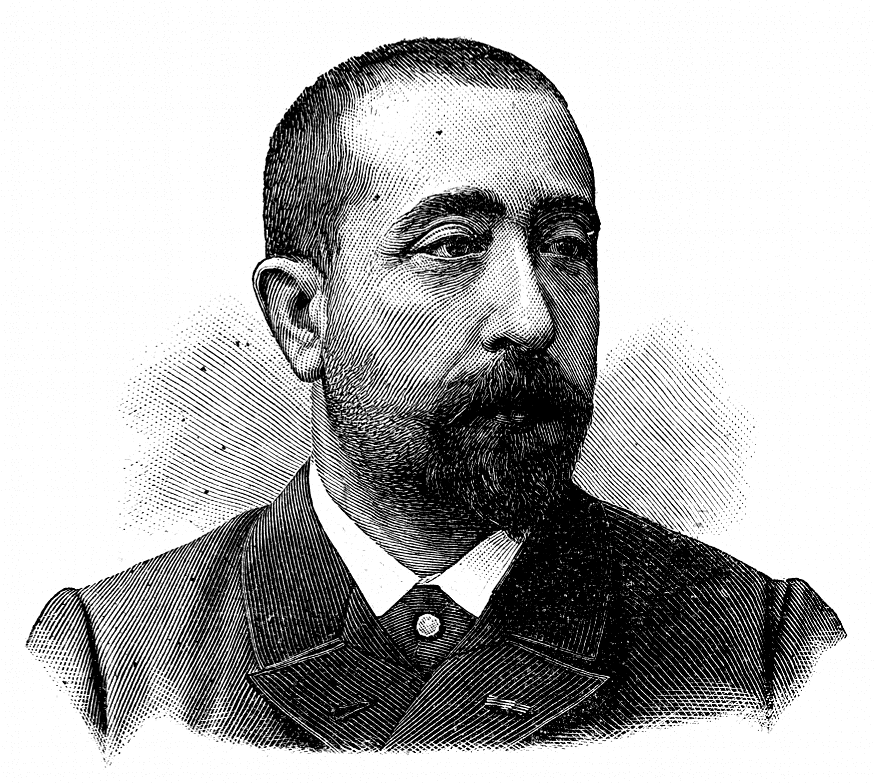


Symptoms and characteristics
Tics are sudden, rapid, recurrent, nonrhythmic movements or vocalizations. Simple motor tics might include eye blinking or facial grimacing, while complex motor tics can involve coordinated patterns of movement. Vocal tics range from throat clearing and sniffing to words or phrases. The word tics covers both motor and vocal manifestations. Coprolalia — the involuntary utterance of socially inappropriate words — is well known but affects a minority of people with Tourette's (often reported under 15%). The stereotype that all people with Tourette's shout obscenities is inaccurate and misleading.
Common additional features include premonitory urges (an uncomfortable sensation relieved by performing the tic) and the ability for some individuals to temporarily suppress tics. Onset is usually in childhood, commonly before adolescence, and symptoms often change in form and intensity over time. Most people maintain a normal level of intelligence and typical life expectancy, though quality of life can be affected by symptom severity and social response.
Causes, associated conditions and history
Tourette syndrome has a strong genetic component and is linked to differences in brain circuits involving the basal ganglia, frontal cortex and neurotransmitters such as dopamine. It frequently co-occurs with other neurodevelopmental or psychiatric conditions: attention-deficit/hyperactivity disorder (ADHD), obsessive–compulsive behaviours (OCD), anxiety and mood disorders are common. Depression and social withdrawal may develop secondary to stigma or functional impairment. Historical descriptions date back centuries, but the modern eponym and systematic clinical description are credited to Gilles de la Tourette. For a general summary of classic symptoms, see standard clinical sources.
Diagnosis and course
Diagnosis relies on clinical history and observation: the presence of multiple motor tics and at least one vocal tic persisting for a year is a widely accepted rule used in diagnostic frameworks. No single laboratory test confirms the condition, so clinicians evaluate onset, patterns, and any comorbidities. Tics typically peak in severity in early adolescence and often decline in late adolescence or adulthood; severe adult cases exist but are less common. Social challenges can persist even when tics lessen.
Management and prognosis
Many people with Tourette's require no active medical treatment if tics are mild and not disruptive. When intervention is needed, options include behavioural therapies such as habit reversal training and Comprehensive Behavioral Intervention for Tics (CBIT), and pharmacological approaches. Medications may reduce tic frequency or intensity; commonly used classes include certain antipsychotic agents and other drugs targeting neurotransmitter systems. Other interventions range from targeted injections to multidisciplinary support. For general categories, see therapies and medications.
- Nonpharmacological: education, school and workplace accommodations, behavioural therapy, and support groups.
- Pharmacological: medications chosen based on tic severity, side-effect profiles and comorbid conditions (consultation with a specialist is recommended).
- Psychosocial: treatment for co-occurring ADHD, OCD, anxiety or depression can substantially improve functioning.
Social aspects and misconceptions
Misunderstandings about Tourette's—especially the overemphasis on coprolalia and the idea that affected people are uncontrollably obscene—contribute to stigma. Vocal tics can include words that some may find offensive (curse words), but this is not the norm. Practical support, awareness and simple accommodations at school or work reduce distress; referral to specialists or community resources can help families and individuals access appropriate care (neurology, mental health and educational services). For further reading and resources, see professional guidelines and advocacy organizations (life planning, tic information, clinical descriptions, developmental guidance, cognitive outcomes, drug options, therapy approaches).
In summary, Tourette syndrome is a variable condition with a generally good long-term outlook for many people when symptoms are managed and comorbidities addressed. Awareness, accurate information and respectful support are key to improving outcomes.
Related articles
Author
AlegsaOnline.com Tourette syndrome: causes, symptoms, diagnosis and management Leandro Alegsa
URL: https://en.alegsaonline.com/art/100883