
Weight loss: causes, methods, risks and practical guidance
An overview of weight loss covering physiology, common strategies (diet, exercise, behaviour), medical options, risks and practical tips for sustainable change.
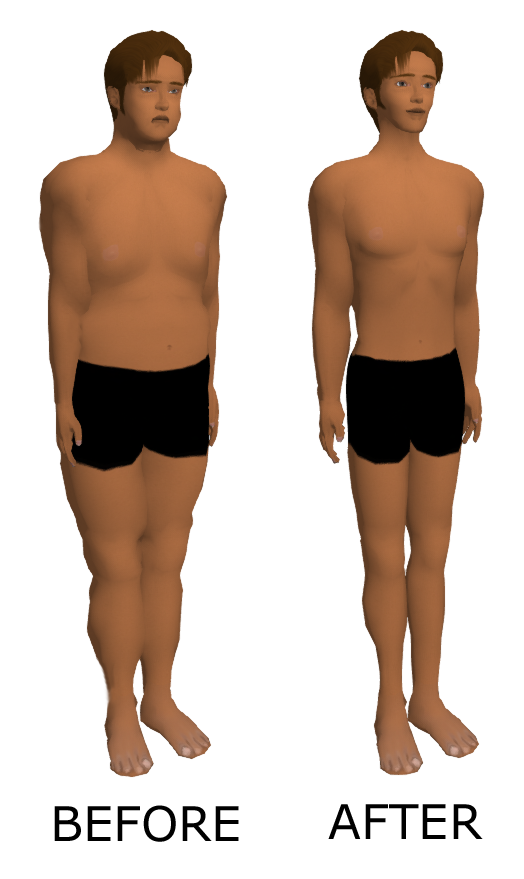
Weight loss describes a reduction in total body weight measured on a scale. It can reflect loss of body fat, lean tissue (muscle), water, or some combination of these. People pursue weight loss for many reasons including health improvement, athletic performance, or changes in appearance. When considered medically, the focus is often on reducing excess body fat and improving metabolic health rather than the number on the scale alone.
Image gallery
4 Images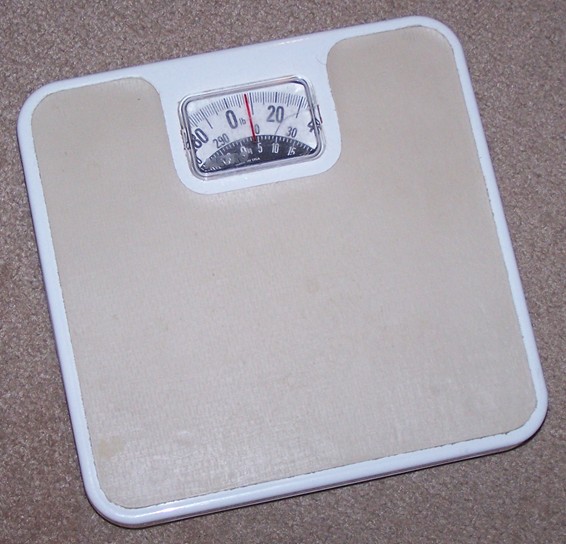


How weight changes occur
At a basic level, weight change results from an imbalance between energy intake (food and drink) and energy expenditure (basal metabolism, physical activity, digestion). Hormones, genetics, age, sleep, stress and some medications also influence appetite and how the body stores or burns energy. Body composition—how much of the weight is fat versus muscle or water—affects both health outcomes and how weight responds to interventions.
Common approaches
Most non-surgical strategies combine changes in diet, increased physical activity, and behavioural support. Examples include:
- Exercise: regular aerobic and resistance activity such as running or swimming can increase calorie use and preserve muscle.
- Nutrition: adopting a diet with smaller portion sizes, fewer energy-dense processed foods, and more whole foods such as vegetables, fruits and lean meat often helps lower calorie intake while maintaining nutrients.
- Behavioural strategies: goal setting, self-monitoring, problem solving and social support improve adherence and long-term success.
Medical and surgical options
For people with significant obesity or weight-related health conditions, clinicians may recommend medical therapies or bariatric surgery. Prescription medications can alter appetite, absorption or metabolism and are used under medical supervision. Surgical procedures change the digestive system to reduce intake or absorption and can produce substantial and sustained weight loss for selected patients. All medical interventions require assessment of benefits, risks and follow-up care.
Risks, limitations and important distinctions
Rapid or extreme weight loss can cause nutrient deficiencies, loss of muscle, gallstones or other complications. Weight on the scale can fluctuate day to day because of fluid balance, so single measurements are less informative than trends and measures of body composition. ‘‘Healthy’’ weight is individualized: a modest, sustained loss that improves blood pressure, glucose control or mobility can be more important than achieving a specific number.
When to seek professional advice: consult a healthcare provider before beginning major diets or exercise programs, especially if there are existing medical conditions, pregnancy, or use of medications. Sustainable change tends to emphasize gradual modifications, balanced nutrition, regular activity and realistic goals rather than quick fixes.
Questions and answers
Q: What is weight loss?
A: Weight loss is when a person weighs less than before.
Q: What activities can help a person lose weight?
A: Running, swimming or any other physical activity can help a person lose weight.
Q: How can a person eat to lose weight?
A: A person might eat a healthier diet to lose weight.
Q: Are there diet and exercise programs available to lose weight?
A: Yes, there are many diet and exercise programs available to lose weight.
Q: Is there a specific diet plan that helps with weight loss?
A: Many people lose weight when they eat less sugar and more vegetables, fruits and lean meat.
Q: How do people generally lose weight?
A: People generally lose weight by burning more calories than they consume.
Q: What are some benefits of weight loss?
A: Some benefits of weight loss include improved health, increased energy, and improved self-esteem.
Related articles
Author
AlegsaOnline.com Weight loss: causes, methods, risks and practical guidance Leandro Alegsa
URL: https://en.alegsaonline.com/art/107140
Sources
- doi.org : 10.1086/500398
- pubmed.ncbi.nlm.nih.gov : 16477562
- cancer.org : "Diseases and Conditions Kidney cancer"
- nhs.uk : "Unintentional weight loss"
- cnn.com : "Can you lose weight while sleeping?"
- npr.org : "Every Night You Lose More Than A Pound While You're Asleep (For The Oddest Reason)"
- npr.org : "The Fallacies Of Fat"
- outsideonline.com : "Does muscle burn that many more calories than fat?"
- unm.edu : "Exercise vs. Diet in Weight Loss"