
Midwife: role, training, history, and practice
A midwife assists women before, during, and after childbirth. This article outlines roles, types, training, practice settings, historical context, benefits, and how midwives relate to other maternity providers.
Overview
A midwife is a health professional who provides care and support to women during pregnancy, labor, birth, and the postpartum period. Midwifery emphasizes normal physiological birth, personalized care, and informed choice. Midwives may offer prenatal monitoring, labor support, assistance with delivery, newborn checks, breastfeeding help, and postpartum follow-up.
Image gallery
7 Images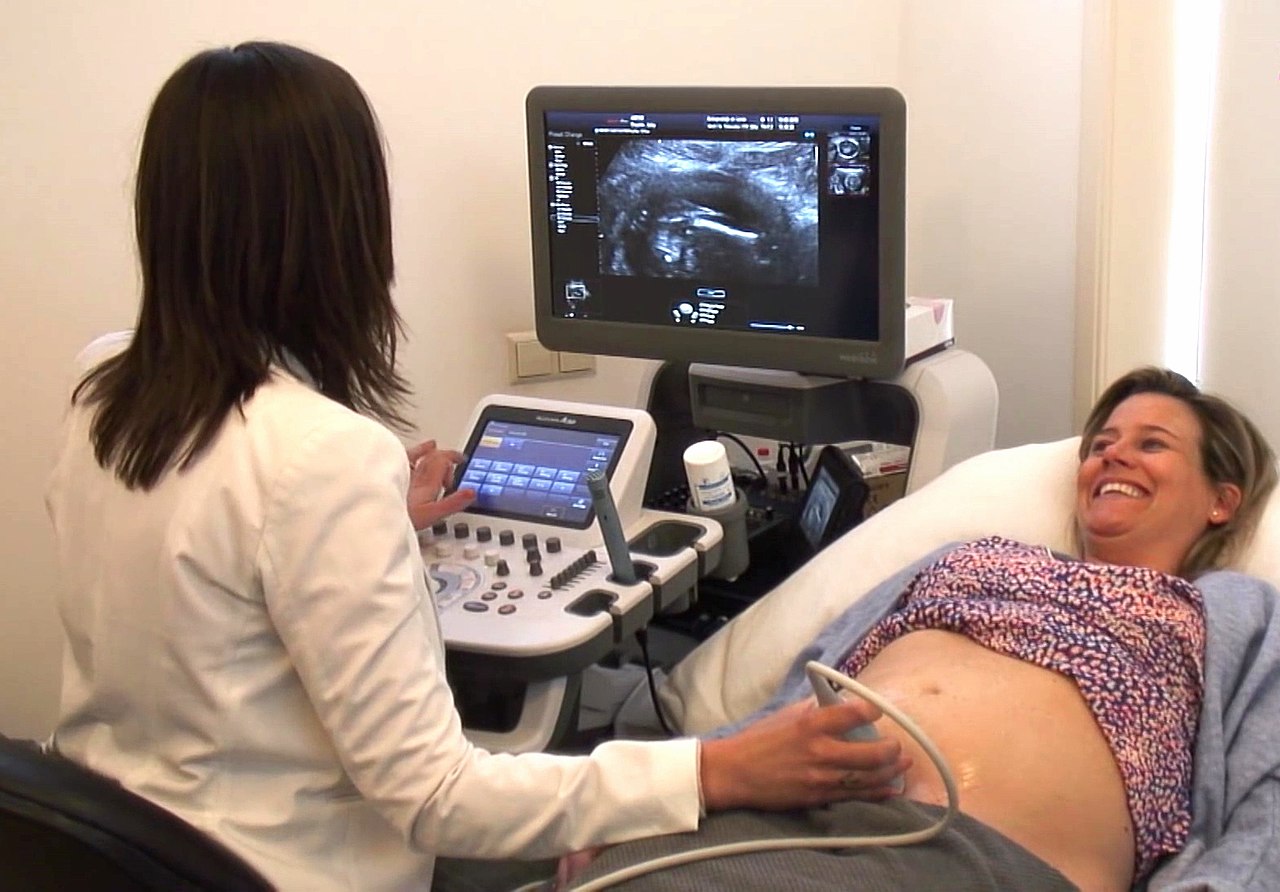




Common duties
- Conducting antenatal visits and risk assessment
- Providing low‑intervention labor support and pain management
- Assisting vaginal birth and immediate newborn care
- Teaching newborn care and breastfeeding
- Identifying complications and arranging referrals
Types and training
Midwives work in different models: traditional or community midwives, certified nurse‑midwives, and direct‑entry professional midwives. Training varies by region and may include university degrees, clinical apprenticeships, or shorter community programs. Certification or licensing typically requires supervised practice and examinations; scope of practice is defined by national or regional regulation.
Practice settings
Midwives practice in homes, birth centers, and hospitals. In many places they collaborate with obstetricians and pediatricians when complications arise. Choice of setting depends on the woman’s health, local services, and legal frameworks. Midwives focus on continuity of care and supporting informed decisions about interventions.
History and cultural role
Midwifery is an ancient profession found in most cultures, historically led by experienced women in communities. Over centuries it has professionalized and integrated with modern medicine in some countries, while remaining community‑based or traditional in others. The role carries cultural significance related to family, rites of passage, and women’s health knowledge.
Benefits, distinctions, and further information
Research and practice commonly associate midwifery care with high rates of satisfaction, individualized support, and lower use of certain interventions in low‑risk births, though collaboration is important for safety in higher‑risk cases. Midwives differ from obstetricians mainly in training focus—midwives center on physiological birth and holistic support; obstetricians are specialist physicians trained for surgical and high‑risk care. For professional guidance and regional standards, see relevant midwifery resources.
Related articles
Author
AlegsaOnline.com Midwife: role, training, history, and practice Leandro Alegsa
URL: https://en.alegsaonline.com/art/64766
Sources
- internationalmidwives.org : "International Definition of the Midwife" · web.archive.org
- internationalmidwives.org : "Essential Competencies for Basic Midwifery Practice" · web.archive.org