
Microsleep — brief involuntary sleep episodes and their risks
Microsleep are very short, involuntary sleep episodes during wakefulness. This article covers what they are, causes, signs, dangers (e.g., driving), detection, and ways to reduce risk.
Microsleep refers to extremely brief episodes of sleep-like brain activity that occur while a person appears to be awake. These episodes can last from a fraction of a second up to about 30 seconds and are often unpredictable. During a microsleep the individual may show a blank stare, drooping eyelids or a sudden head nod, and may not remember the seconds that passed. Researchers describe microsleeps as transient intrusions of sleep into wakefulness rather than intentional naps.
Image gallery
3 Images

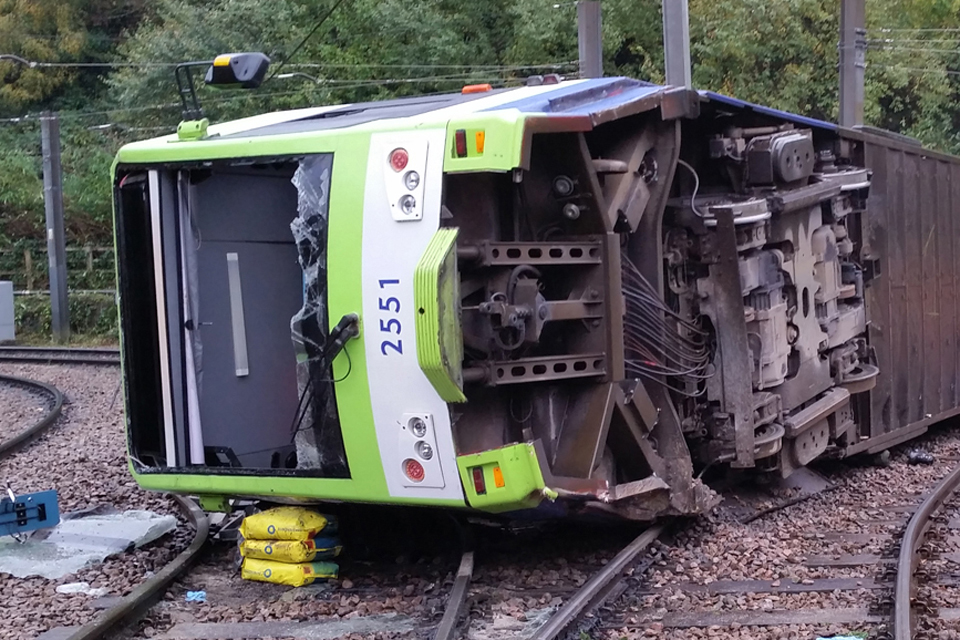
Characteristics
Typical features include abrupt loss of responsiveness, slowed reaction times, and short gaps in awareness sometimes described as "missing time" or "gap driving" when they occur behind the wheel. Microsleeps can be hard for the person experiencing them to detect: many people believe they remained fully awake despite having a brief episode. Objective measurements such as EEG, eyelid-closure monitoring and reaction-time testing are used in research to identify these events.
Common causes
- Sleep deprivation: extended wakefulness or chronic short sleep is a frequent trigger.
- Sleep apnea and other fragmented-sleep disorders can increase risk by degrading sleep quality.
- Narcolepsy and central hypersomnias predispose people to sudden sleep intrusions.
- Extended monotony, night work and circadian misalignment increase susceptibility.
- Underlying physiology relates to brief switches from wake-like to sleep-like neural patterns; see general discussion of sleep.
Risks and notable examples
Microsleeps are especially dangerous when sustained attention is required. They have been implicated in road crashes, industrial accidents and transportation incidents because a momentary lapse can remove a person’s ability to respond to hazards. The term "gap driving" is used when a driver realizes that several seconds have elapsed with no memory of the interval. Reports and investigations of large-scale accidents sometimes cite microsleep as one contributing factor, although causation is often complex.
Detection and prevention
Individuals and organizations can reduce risk by emphasizing adequate nightly sleep, strategic naps, scheduled breaks during long tasks, and avoiding extended driving or machine operation while sleepy. Short-term countermeasures such as caffeine can temporarily improve alertness but do not replace recovery sleep. When microsleeps are frequent or unexplained, medical evaluation for conditions like sleep apnea or narcolepsy is advisable. Workplaces that involve safety-critical operations may use monitoring systems to detect prolonged eye closures or degraded performance and apply interventions.
Distinctions and research
Microsleep differs from intentional micro-naps in that it is involuntary and often accompanied by a lack of awareness. Scientists continue to study its neural signature, real-world triggers and the best strategies for prediction and mitigation. Practical guidance stresses prevention: improving overall sleep health and designing tasks and schedules to reduce prolonged wakefulness and monotony. For hazards associated with operating heavy equipment or vehicles, industry guidance and regulation often recommend specific work-rest cycles and medical screening to lower the likelihood of dangerous episodes.
Further reading and resources on sleep disorders, workplace safety and countermeasures can be found through clinical and occupational health sources; for a general overview of sleep physiology see related material and specialist guidance on hypersomnia and other sleep conditions.
Related articles
Author
AlegsaOnline.com Microsleep — brief involuntary sleep episodes and their risks Leandro Alegsa
URL: https://en.alegsaonline.com/art/64616
Sources
- linkinghub.elsevier.com : "Quantifying microsleep to help assess subjective sleepiness"
- doi.org : 10.1016/j.sleep.2006.06.011
- pubmed.ncbi.nlm.nih.gov : 17239659