
Blood pressure: definition, measurement, interpretation, and clinical importance
Comprehensive overview of blood pressure: what it measures, how readings are reported and obtained, measurement techniques, related concepts (pulse pressure, MAP), clinical interpretation and common causes of abnormal values.
Overview
Blood pressure is the force exerted by circulating blood on the inner walls of the arteries and is an essential vital sign in clinical care. It is a routinely made measurement in medicine because it reflects the interaction between cardiac output, arterial resistance and blood volume. Arteries carry blood away from the heart to supply organs and tissues; as blood moves through these vessels it presses against their walls, producing the pressure clinicians record as blood pressure.
Image gallery
7 Images




Numbers, units and related concepts
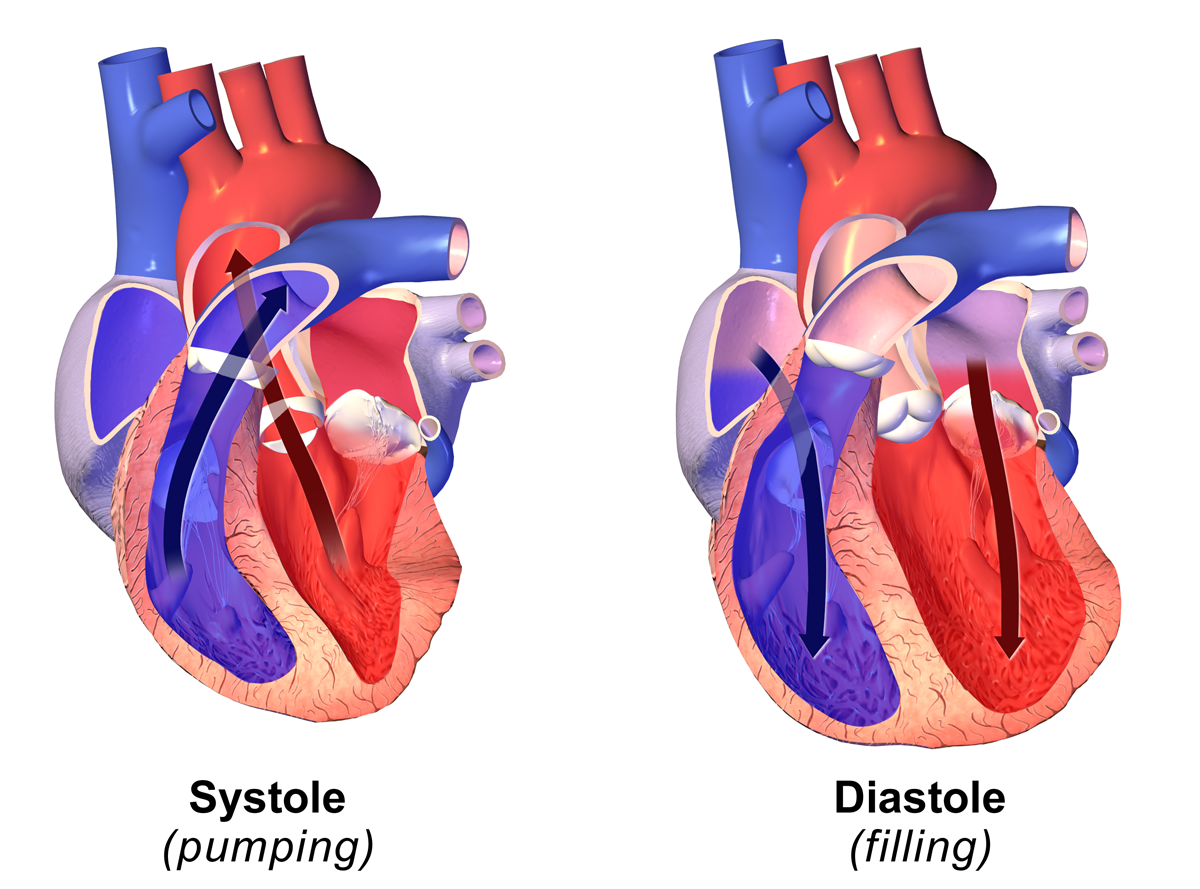
Blood pressure is expressed with two numbers written as systolic over diastolic and reported in millimetres of mercury (mmHg). The systolic value is the peak arterial pressure during ventricular contraction; the diastolic value is the lowest pressure during cardiac relaxation (diastole). For example, a common clinic reading might be written as 122/65 mmHg and read aloud as "122 over 65." The pulse pressure is the arithmetic difference between systolic and diastolic pressure and gives information about stroke volume and arterial stiffness. The mean arterial pressure (MAP) represents an average driving pressure for tissue perfusion; it is often estimated using a weighted relationship of systolic and diastolic values and is a useful concept in critical care and physiology. See more on average and statistical concepts in clinical reports at this resource.
Where and how blood pressure is measured
Routine noninvasive measurement is usually performed on a large systemic artery, most commonly the brachial artery in the upper arm (brachial artery). These systemic measurements are distinct from pressures in the pulmonary circulation to the lungs. The principal instrument for indirect, noninvasive measurement is the cuff-based device called a sphygmomanometer. Devices are available in mercury, aneroid and automated electronic forms. Automated ambulatory monitors that record pressures over 24 hours and validated home monitors have become important tools for characterising day-to-day patterns and reducing reliance on single clinic readings.
Standard measurement technique
- Have the person rest quietly for several minutes with feet flat and arm supported at heart level.
- Select an appropriately sized cuff: a cuff that is too small or too large can substantially misestimate pressure.
- Place the cuff over the bare upper arm with the bladder centered above the artery and inflate to occlude flow.
- Slowly deflate the cuff while listening with a stethoscope (manual auscultation) or observing the automated readout to record systolic and diastolic values.
- When accurate classification is important, repeat measurements, average multiple readings, or use ambulatory/home monitoring to capture variability.
Accuracy, sources of error and alternatives
Measurement can be affected by patient position, recent activity, talking, full bladder, caffeine, nicotine and some medications. Observer technique and device calibration also influence results. Direct intra-arterial measurement via an arterial catheter provides continuous, highly accurate readings and is used when precision is critical (for example during major surgery or in intensive care). Indirect cuff methods remain the standard for routine outpatient and most inpatient care because they are noninvasive and practical. Guidance on device validation and optimal technique is published by professional societies and regulatory bodies; clinicians consult these recommendations when selecting monitors and protocols (device validation).
Interpretation and clinical significance
Clinicians interpret blood pressure in context: single readings can be transiently altered by stress or activity, so diagnosis typically relies on multiple elevated readings or ambulatory/home evidence. Persistently elevated arterial pressure (commonly termed hypertension) is associated with higher risk of stroke, myocardial infarction, heart failure and chronic kidney disease; lower than expected pressure (hypotension) can cause dizziness, fainting and inadequate organ perfusion. Patterns such as "white coat" hypertension (higher readings in clinic than at home) and "masked" hypertension (normal clinic readings with elevated out-of-clinic pressures) are recognised as clinically important and often prompt ambulatory monitoring or home measurement to clarify diagnosis.
Special populations and considerations
Blood pressure assessment requires special attention in children, pregnant people and older adults. In pregnancy, new or worsening hypertension can indicate pre-eclampsia and demands timely evaluation. In older adults, isolated systolic elevation may reflect arterial stiffening and has distinct management implications. Certain acute conditions—sepsis, major bleeding, cardiogenic shock—require continuous invasive or frequent noninvasive monitoring to guide therapy.
When blood pressure is monitored and why
Blood pressure measurement is used in preventive care, chronic disease management, perioperative monitoring, emergency assessment and in many acute care settings. It helps guide therapeutic decisions, monitor response to antihypertensive drugs, and identify patients who need further diagnostic evaluation such as cardiac or renal assessment. Patient education about proper home measurement and device selection improves the reliability of self-measured readings and supports long-term management.
Further information and resources
For authoritative guidance on measurement technique, device validation, diagnostic thresholds and management strategies, consult clinical guidelines and expert statements from national and international medical societies. Practical how-to materials for patients and clinicians are widely available; a useful starting point for general readers is this clinical background on the importance of regular blood pressure assessment and interpretation (clinical background). Other technical and educational resources are listed here: measurement concepts, medical context, cardiac physiology, pulmonary circulation, anatomy of measurement sites, cardiac cycle, device validation, averaging methods and equipment types.
Regular, correctly performed measurements and appropriate clinical follow-up are central to reducing the health risks associated with abnormal blood pressure. Clinicians balance numerical results with a person's symptoms, risk factors and overall clinical context before recommending lifestyle changes or medication.
Questions and answers
Q: What is blood pressure?
A: Blood pressure is a measurement used in medicine that measures how hard the blood is pushing against the walls of the arteries.
Q: How is blood pressure usually measured?
A: Blood pressure is usually measured in millimeters of mercury (mmHg).
Q: What are the two numbers in a blood pressure reading?
A: The two numbers in a blood pressure reading are the systolic and diastolic pressures. The systolic number measures how hard the blood pushes against the walls of the arteries when the heart is beating, while diastolic measures how hard it pushes when resting between beats.
Q: What does mean arterial pressure measure?
A: Mean arterial pressure measures a person's average blood pressure.
Q: What does pulse pressure measure?
A: Pulse Pressure measures the difference between systolic and diastolic pressures.
Q: How do doctors measure blood pressure?
A: Doctors use a device called a sphygmomanometer to measure blood pressure.
Related articles
Author
AlegsaOnline.com Blood pressure: definition, measurement, interpretation, and clinical importance Leandro Alegsa
URL: https://en.alegsaonline.com/art/12256
Sources
- simple.wiktionary.org : simple.wiktionary.org/wiki/Special:Search/Blood_pressure
- commons.wikimedia.org : commons.wikimedia.org/wiki/Special:Search/Blood_pressure
- en.wikinews.org : en.wikinews.org/wiki/Special:Search/Blood_pressure
- en.wikiquote.org : en.wikiquote.org/wiki/Special:Search/Blood_pressure
- en.wikisource.org : en.wikisource.org/wiki/Special:Search/Blood_pressure
- en.wikibooks.org : en.wikibooks.org/wiki/Special:Search/Blood_pressure
- en.wikiversity.org : en.wikiversity.org/wiki/Special:Search/Blood_pressure
- heart.org : "Understanding Blood Pressure Readings"