
Memory card (removable flash storage)
Removable solid-state storage used in cameras, phones and consoles. Flash-based, durable, available in multiple formats (SD, microSD, CompactFlash, MMC) and capacities up to terabytes.
Overview
A memory card is a small, removable solid-state storage device that uses flash memory to hold digital information. Designed without moving parts, these cards are compact and resistant to shock and vibration, making them suited to portable equipment such as digital cameras, video game consoles and handheld media players. They can contain a wide variety of content: photographs, music, software save files, and other forms of data. When used in computers they behave like removable drives for computer files.
Image gallery
10 Images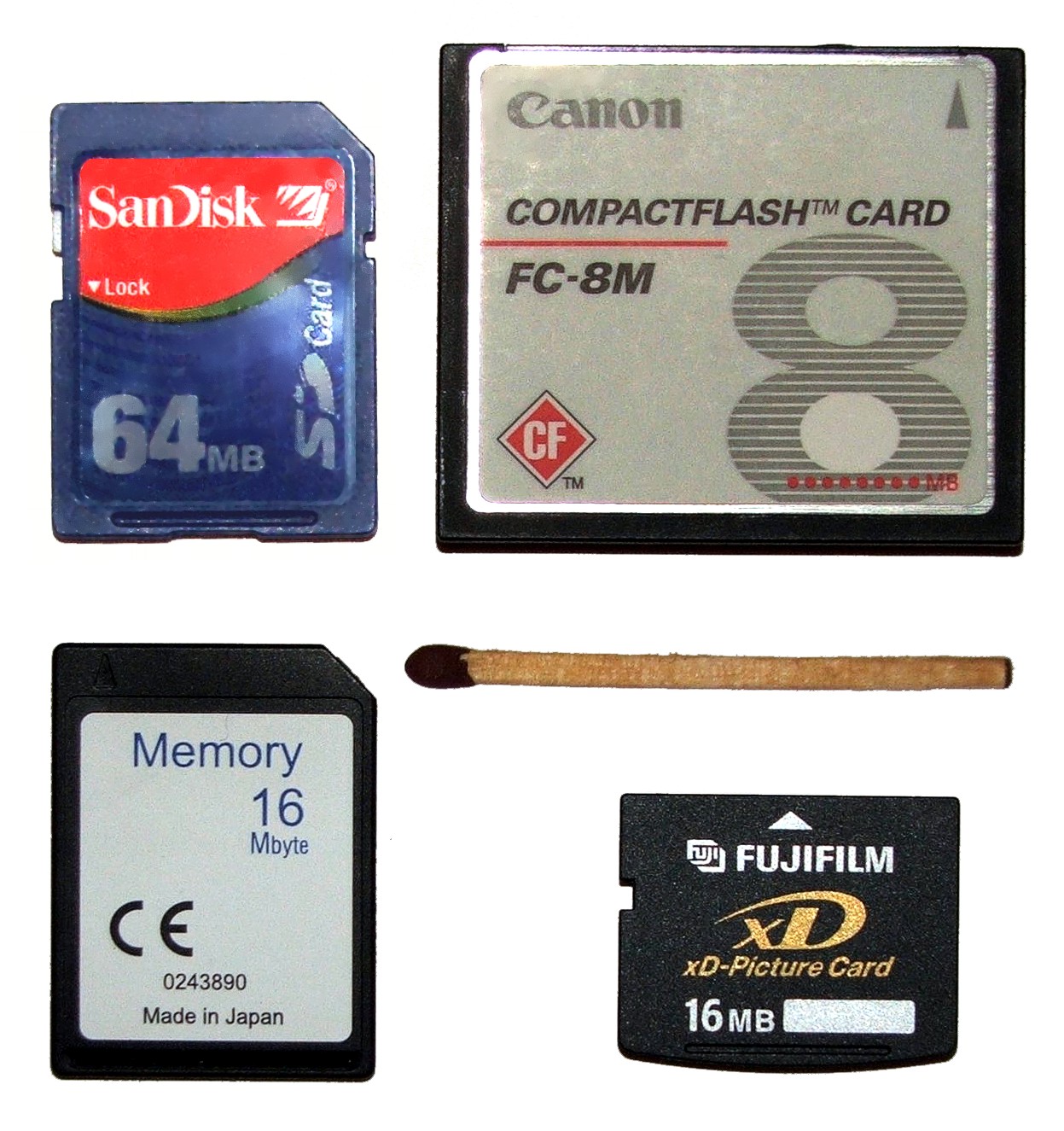





Formats and physical characteristics
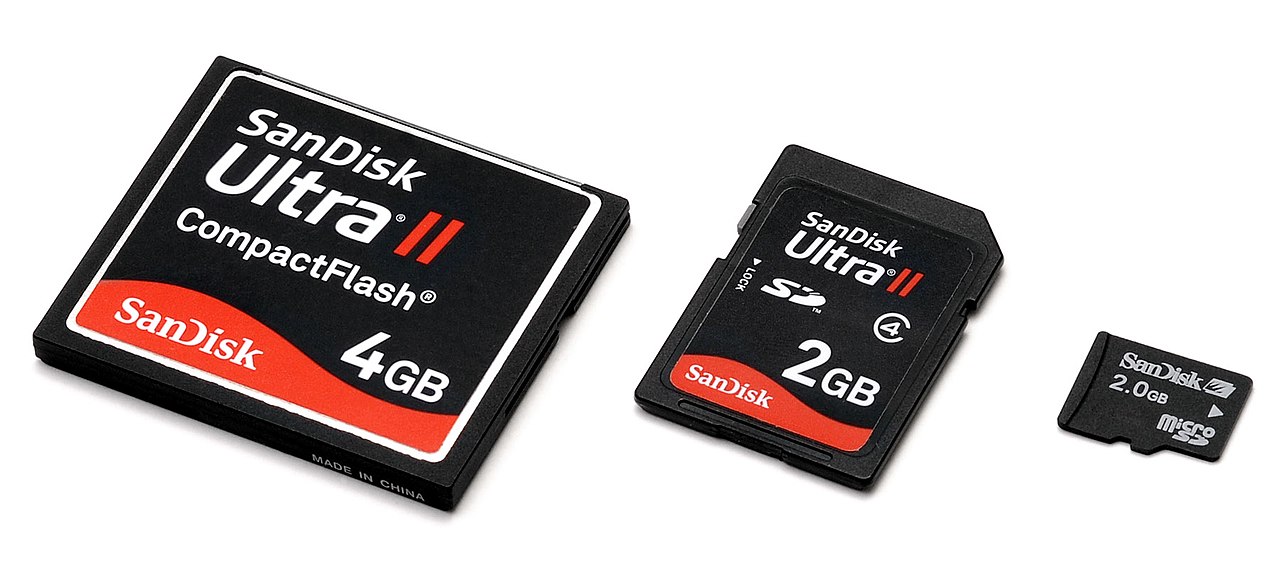
Memory cards come in several physical sizes and electrical interfaces. Common formats include full-size SD and its smaller counterpart, microSD, which is ubiquitous in phones and action cameras. Older or specialized formats include MultiMediaCard (MMC) and CompactFlash, which remain in use for some professional cameras and legacy equipment. Cards often fit into host devices directly or through adapters that convert one form factor to another.
History and development
Flash-based removable cards evolved from early solid-state memory technologies developed in the late 20th century. Over time improvements in semiconductor manufacturing, controller design and file-system compatibility increased capacity and reliability. By the late 2010s, manufacturers began offering cards with capacities reaching around 1 terabyte, and continued advances have pushed both capacity and transfer speeds. Different manufacturers and standards bodies introduced speed classes and interface improvements to match the needs of still photography, high-definition video and raw data capture.
Common uses and examples
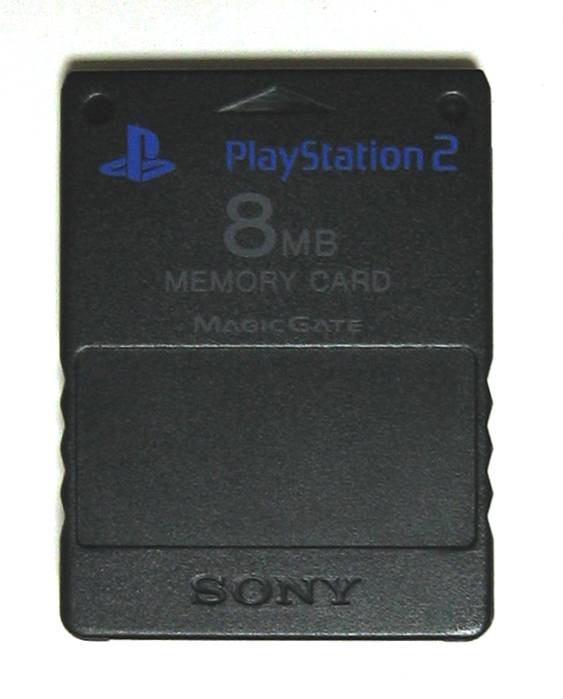
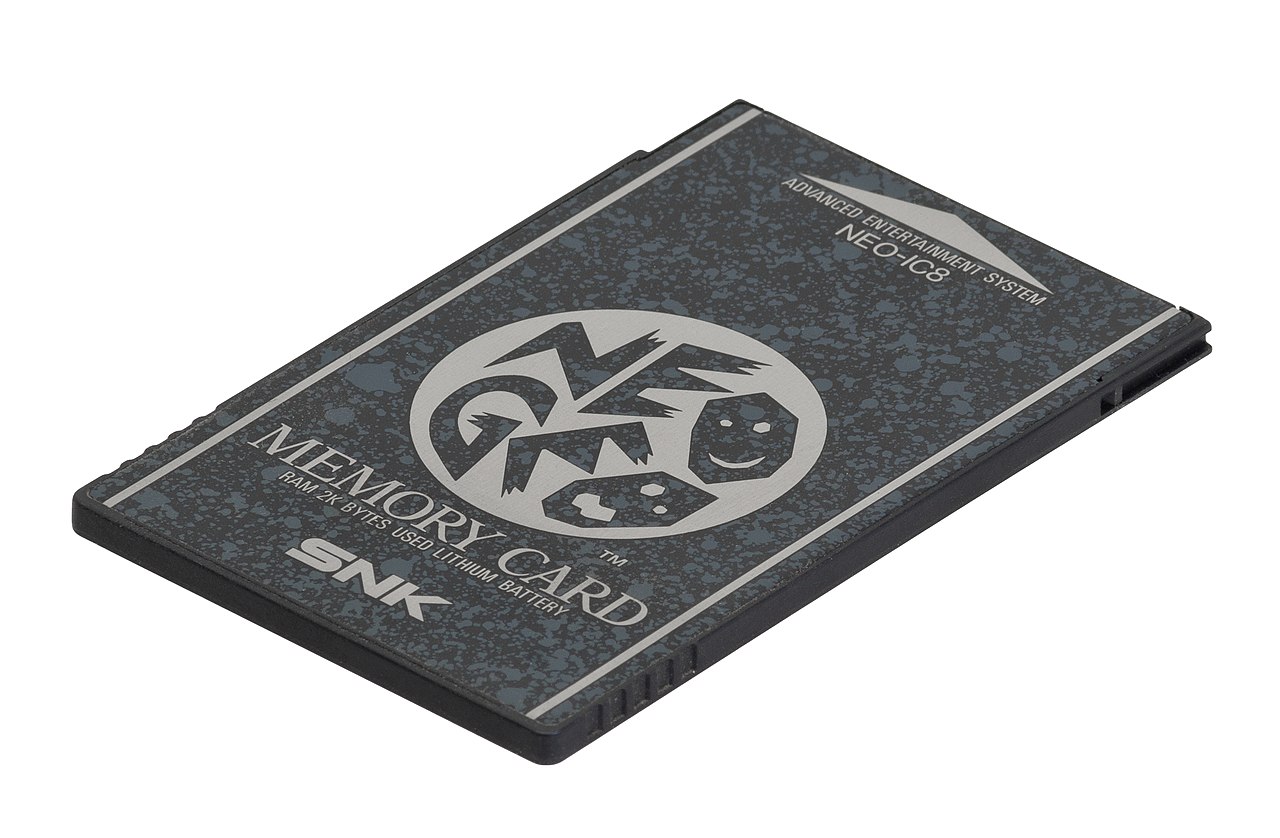
Everyday uses include expanding storage in mobile phones (where supported), storing music on dedicated players like MP3 players, archiving photos from cameras, and saving game progress on portable consoles. Professionals rely on high-speed cards for burst photography and video recording, while consumers use cards for backups, data transfer and media sharing. Because memory cards are portable, they provide a convenient medium for moving files between compatible devices.
Practical considerations and notable facts
When choosing a card, consider capacity, sustained write speed, physical size and compatibility with the host device. Cards use controllers that implement wear-leveling because flash cells have a finite number of write cycles; this affects long-term endurance. File-system limitations (for example, older FAT variants) influence the maximum file size and may determine which card is appropriate for large video files. Counterfeits and mislabeled capacity remain concerns; buying from reputable vendors reduces risk.
- Durability: no moving parts, but sensitive to water, extreme heat and electrical damage.
- Adapters: micro-to-standard adapters allow smaller cards to be used in larger slots.
- Compatibility: verify device support for card format and capacity before purchase.
For more technical details, standards information and product comparisons see resources from standards bodies and manufacturers: flash memory basics, camera storage guides, console storage, data management, audio storage, file systems, portable audio devices, mobile phone storage, high-capacity cards, MMC history, CompactFlash overview and microSD specifications.
Related articles
Author
AlegsaOnline.com Memory card (removable flash storage) Leandro Alegsa
URL: https://en.alegsaonline.com/art/63747