
Digital camera
An overview of digital cameras: how they work, main components and types, brief history, common uses, and key differences from film cameras.
A digital camera is an optical device that captures photographs and movies by converting light into electronic data rather than exposing chemical film. Images are recorded on an electronic sensor, processed inside the camera, and saved as files to internal memory or removable media. Because the output is digital, photos can be reviewed instantly, edited, duplicated without quality loss, and transferred to computers and networks for storage or sharing.
Image gallery
10 Images


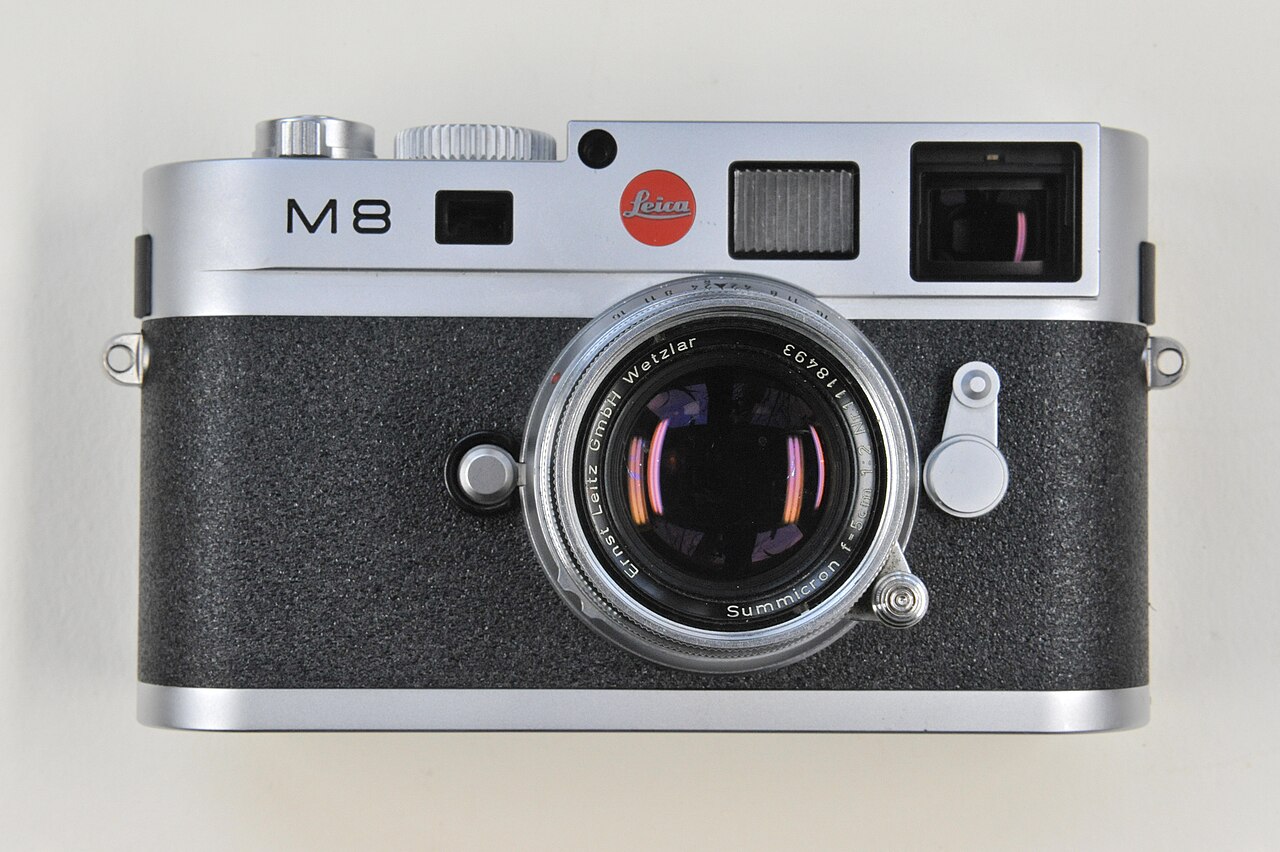


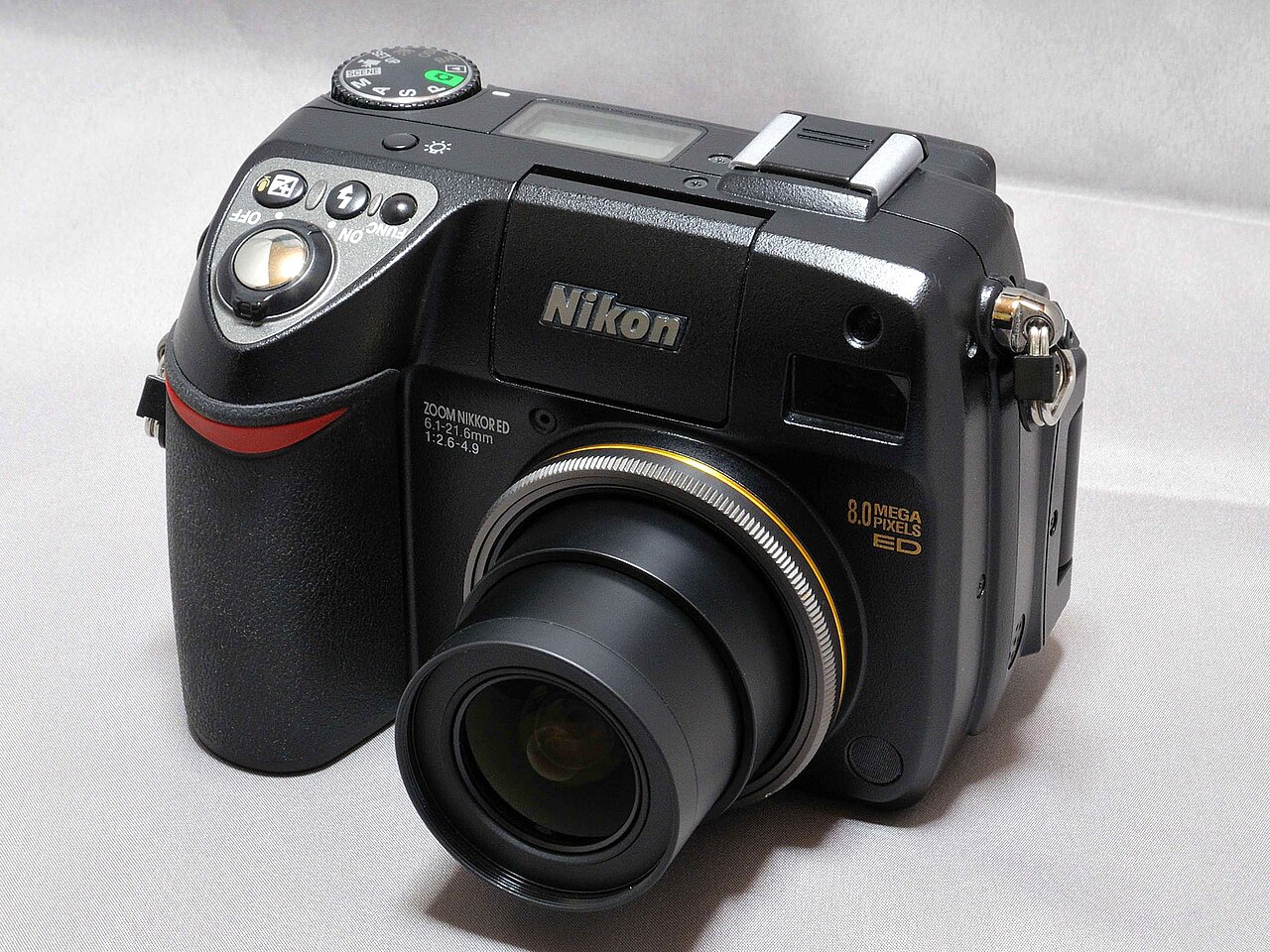


Core components and how they work
At the heart of a digital camera is an image sensor (commonly CCD or CMOS) that translates light into electrical signals. A lens focuses light, while a shutter and aperture regulate exposure. The camera's processor interprets sensor data, applies corrections and compression, and writes files to storage such as an internal buffer or a removable memory card. Many cameras can also connect to a computer via cable or wirelessly; older and simple models use a USB connection to transfer images.
- Lens: controls angle of view and sharpness.
- Sensor: determines sensitivity, dynamic range and noise performance.
- Processor: handles autofocus, exposure metering and image compression.
- Storage & interface: memory cards, internal memory and transfer ports.
Types and image formats
Digital cameras come in many forms, from compact point‑and‑shoot models to interchangeable‑lens systems and specialized devices. Common categories include compact cameras, bridge cameras, digital single‑lens reflexes (DSLRs), mirrorless cameras, action cameras and the integrated cameras found in mobile phones. Many cameras can record still images in compressed formats such as JPEG and in higher‑fidelity raw formats that preserve unprocessed sensor data for later editing. The device can also function as a video camera, capturing moving images at different frame rates and resolutions.
History and development
Digital imaging evolved in the late 20th century as electronic sensors and processors improved. Early commercial models appeared to consumers in the 1990s and rapidly advanced in resolution and functionality. Over the following decades, improvements in sensor technology, miniaturization, and manufacturing made digital photography dominant in both consumer and professional markets. At the same time, camera modules became standard features of mobile phones, creating the ubiquitous camera phone and changing how people take and share pictures.
Uses, advantages and limitations
Digital cameras are used in everyday photography, journalism, scientific research, surveillance, filmmaking, and medical imaging. Advantages include instant preview, large storage capacity, easy sharing and low marginal cost per image. Metadata such as exposure settings and location (EXIF) is embedded in files, aiding organization and post‑processing. Limitations include dependence on battery power, image noise and reduced performance in very low light when sensors are small. Image quality is influenced by sensor size, lens quality and image processing.
Distinctions and notable facts
Unlike photographic film, digital images are editable without chemical processing and can be stored in multiple formats. Photographers choose between processed formats for convenience and editable formats for maximum control. The practice of digital photography covers creative, documentary and technical applications. For more technical or historical reading, consult manufacturer pages or subject overviews via resources such as technical guides, academic references and community sites. For storage and transfer best practices see discussions about electronic memory and digital file management, and for connectivity options see material on camera‑to‑computer links such as USB or wireless transfer protocols. Additional practical resources include buying guides and tutorials at specialist sites referenced by digital imaging portals and product pages like memory card manufacturers or camera makers. Beginners often find it useful to compare camera phones and dedicated cameras to understand tradeoffs in sensor size, optics and creative control.
For concise introductions to specific camera models, formats and workflows search product manuals or community tutorials via the links above and explore deeper technical topics in photography forums and textbooks.
Related articles
Author
AlegsaOnline.com Digital camera Leandro Alegsa
URL: https://en.alegsaonline.com/art/27373