
Metal detector — principles, parts, history and common uses
An accessible overview of metal detectors: how they work, main components, types, typical uses (hobbyist, archaeology, security, military) and practical limitations and tips.
Overview
A metal detector is a portable instrument used to locate metal objects that are concealed or buried. Handheld models are common among hobbyists and security personnel, while larger or vehicle-mounted systems are used in industry and the military. Detectors give signals to the operator through audio tones, visual meters, or both; the signal changes with target size, depth and metal type, helping the user estimate proximity and composition.
Image gallery
4 Images


How it works
Most modern detectors rely on electromagnetic principles. A transmitting coil creates an alternating magnetic field; when that field encounters a conductive object it induces small electrical currents (eddy currents) in the target. Those currents generate their own magnetic field, which the detector’s receiver coil senses. Detectors differ by detection method: very low frequency (VLF) units are common for general use, pulse induction (PI) performs well in highly mineralized ground and beach saltwater, and beat-frequency oscillator (BFO) designs are simpler, often found in low-cost models.
Main parts
- Search coil (or loop) — the circular or elliptical element that transmits and receives magnetic fields; coil size affects depth and coverage.
- Control box — contains circuitry, user controls and display or speaker.
- Shaft and handle — connect coil and controls and allow comfortable sweeping motion.
- Accessories — headphones, digging tools and pinpointers for precise recovery.
Uses and history
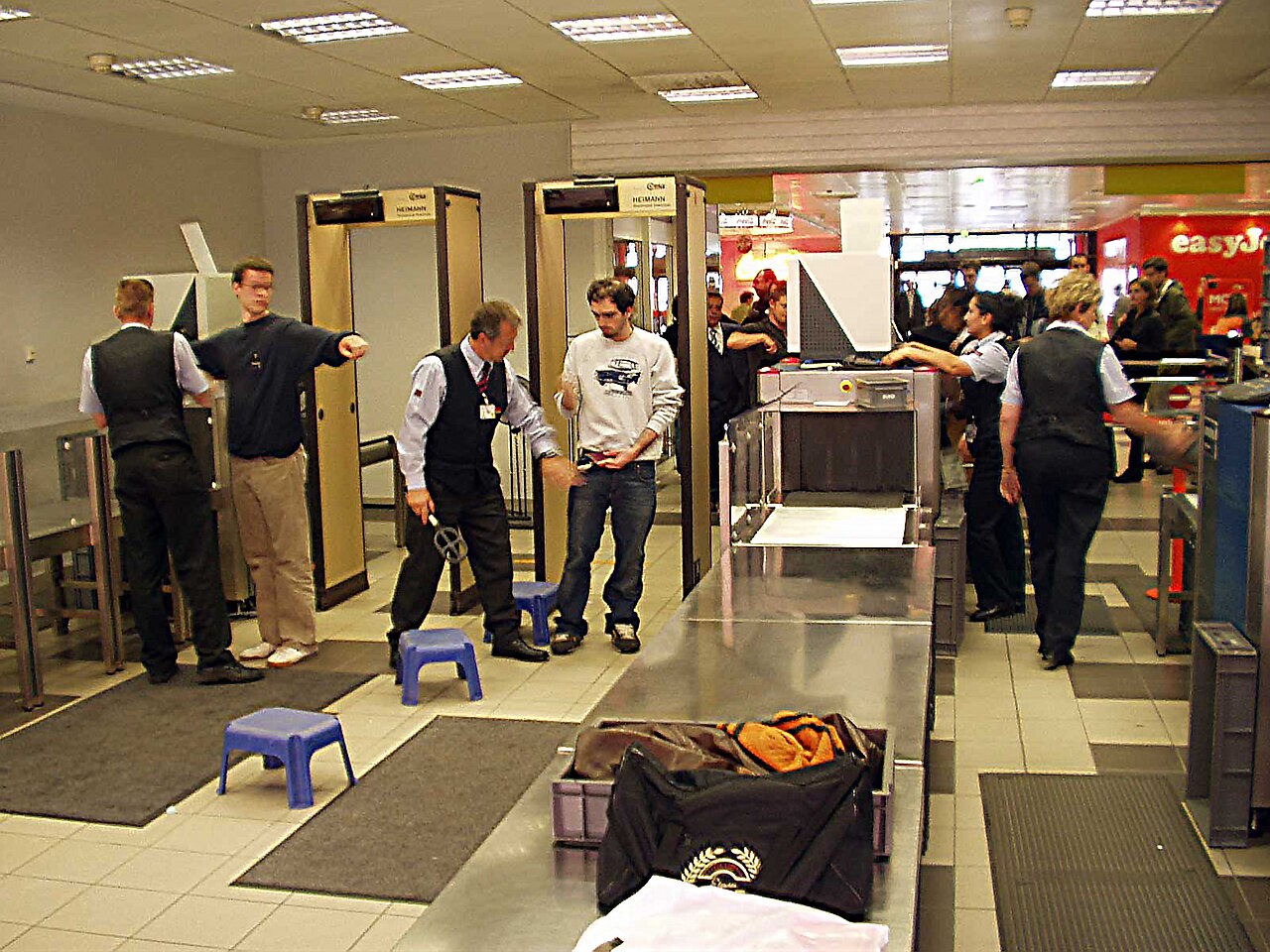
Metal detectors are used across many fields: recreational treasure hunting and beachcombing, archaeological survey, security screening at venues and airports, locating underground utilities or rebar in construction, and landmine detection in military and humanitarian operations. Early experimental devices were developed in the late 19th and early 20th centuries; one well-known historical episode involved an attempt to use a detector to find a bullet wound on a public figure, which demonstrated both potential and practical limits of early machines. For further technical or general information see manufacturer and hobbyist resources and broader introductions at general reference sites.
Operation, settings and limitations
Operators adjust sensitivity, discrimination (to ignore certain metals), ground balance (to cancel natural mineralization) and audio responses. Coil shape matters: concentric coils give good target separation, while DD coils are better on rough ground. Limitations include reduced depth for small objects, interference from electrical sources or mineralized soil, and difficulty distinguishing specific alloys. Responsible use also means following local laws on excavation and respecting archaeological sites.
Practical tips
- Practice sweeping in a steady, overlapping pattern to avoid missed targets.
- Learn the detector’s audio vocabulary — change in pitch or tone often signals metal type.
- Use headphones to hear subtle signals and to reduce ambient noise disturbance.
Related articles
Author
AlegsaOnline.com Metal detector — principles, parts, history and common uses Leandro Alegsa
URL: https://en.alegsaonline.com/art/64151