
microSD: small removable flash memory card
microSD is a compact removable flash memory card format used in phones, cameras, consoles and other portable devices. This article explains its form factor, variants, compatibility, history and common uses.
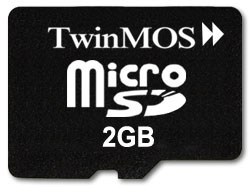
microSD (often written µSD or uSD) is a very small removable flash memory card format used to store data in portable electronics. Measuring approximately 15 mm × 11 mm × 1 mm, it is significantly smaller than a standard SD card but retains the core Secure Digital (SD) interface and many of its capabilities. Devices that commonly accept microSD cards include smartphones, action cameras, portable game consoles, dashcams, and many embedded systems.
Image gallery
10 Images


Form, variants and performance
The microSD family includes several capacity and performance classes defined by the SD Association. Original microSD cards were intended for basic storage; later standards increased capacity and speed. The main family names you will encounter are microSD (the original), microSDHC (High Capacity), microSDXC (Extended Capacity) and microSDUC (Universal Capacity), with each successive name covering higher theoretical maximum capacities as defined by the standard. Performance is indicated by speed classes and bus types (for example, Class 2/4/6/10, UHS-I/UHS-II, and video speed classes like V30) which describe minimum sustained write rates useful for photography and video recording.
Compatibility and adapters
Because microSD shares the SD electrical interface, many cards ship with a full-size SD adapter that lets the tiny card fit into older cameras, laptops and card readers that only accept standard SD cards. Adapters are passive and do not alter the card’s logical format, but physical fit does not guarantee electrical or firmware compatibility: older devices may not recognize newer capacity or file-system variants. The microSD form factor can also be used in SDIO mode to support non-storage functions (for example, Bluetooth or GPS modules) in devices with compatible slots.
History and development
microSD evolved in the mid-2000s as manufacturers sought smaller removable storage for increasingly compact mobile phones and portable electronics. The format traces its roots to earlier small flash cards and was standardized to align with the broader SD ecosystem so that manufacturers and consumers could benefit from a common interface and accessory adapters.
Uses, examples and practical notes
- Common uses: expanding phone storage, storing photos and videos in cameras, saving game data in handheld consoles, and providing removable storage in action cameras and drones.
- Practical considerations: choose a card with suitable capacity and speed class for your tasks (high-resolution video and burst photography benefit from higher sustained write speeds).
- Durability and safety: microSD cards are solid-state and resistant to shock, but they can be lost easily because of their small size, and counterfeit or mislabeled cards are a known risk—buy from reputable sellers and verify capacity and speed when possible.
Compatibility issues and notable facts
Not all devices support every microSD standard; older hardware may need firmware updates or may be limited to lower capacities. File system choice (for example FAT32, exFAT) also affects compatibility across platforms. In addition to storage, SDIO-capable microSD slots allow manufacturers to add other modular functions by inserting a compatible card-shaped module instead of a memory card.
For more detailed technical documentation, specifications and manufacturer guidance, see these references:
- Flash memory and removable storage overview
- Secure Digital (SD) family reference
- SD bus modes and SDIO information
- Mobile phone storage examples
- Digital camera storage and microSD use
- Handheld gaming devices and memory cards
- Embedded systems that use microSD
- Card form factors and dimensions
- Adapters and USB card readers
- Examples of SDIO devices (Bluetooth, GPS, NFC)
- Firmware and compatibility resources
- Manufacturers and specification organizations
Questions and answers
Q: What is microSD?
A: MicroSD is a type of removable flash memory card used for storing information. It is the smallest memory card that can be bought and is about a quarter of the size of a normal-sized SD card.
Q: How big are microSD cards?
A: MicroSD cards are sold in many sizes, from 64 MB to 32 GB, while microSDHC cards are sold in sizes between 4 GB to 64 GB. Larger ones are microSDXC memory cards, sold in sizes between 8 GB and 1 TB.
Q: What devices use microSD cards?
A: MicroSD cards are used in mobile phones, cameras, handheld game systems, and other mobile devices.
Q: Are there adapters available for using microSD with other types of slots?
A: Yes, there are adapters that make the small microSD able to fit in devices that have slots for standard SD, miniSD, Memory Stick Duo card, and even USB. However not all different types of cards can work together. Many microSD cards come with a standard SD adapter so they can be used with devices that take standard SD but not microsd cards.
Q: Is TransFlash compatible with Microsd?
A: Yes, TransFlash and Microsd Cards are the same (they can be used interchangeably) but Microsd has support for SDIO mode which allows it to support non-memory jobs like Bluetooth GPS or Near Field Communication by attaching a device instead of a memory card.
Q: Is there an older version of the Microsd Card?
A: Yes, the older version is called MicrosdHC format which isn't backwards compatible with some older devices although third party firmware may be available for some devices.
Related articles
Author
AlegsaOnline.com microSD: small removable flash memory card Leandro Alegsa
URL: https://en.alegsaonline.com/art/64614
Sources
- learn.sparkfun.com : "SD Cards and Writing Images"
- sdcard.org : "microSD Card"
- phonescoop.com : "microSD definition (Phone Scoop)"
- rockbox.org : "MajorChanges < Main < Wiki"
- theverge.com : "Integral Memory's new 512GB microSD card is the biggest microSD card yet"
- sandisk.com : sandisk.com
- twinmos.com.tw : twinmos.com.tw/
- toshiba-memory.com : toshiba-memory.com/en/micro_sd_cards.html