
Mobile phone: overview, operation, history, types and societal impact
Portable wireless telephone devices that connect via cellular networks. Covers how they work, evolution from basic handsets to smartphones, common features, uses, and social effects.
Overview
A mobile phone is a compact, portable device that enables voice and data communication over a wireless network. Often called a cell phone, hand phone, or cellular telephone, it combines a radio transmitter and receiver with user controls and an interface for calls, messaging and applications. Early models focused on voice; modern devices integrate cameras, web access, location services and many computing features.
Image gallery
10 Images


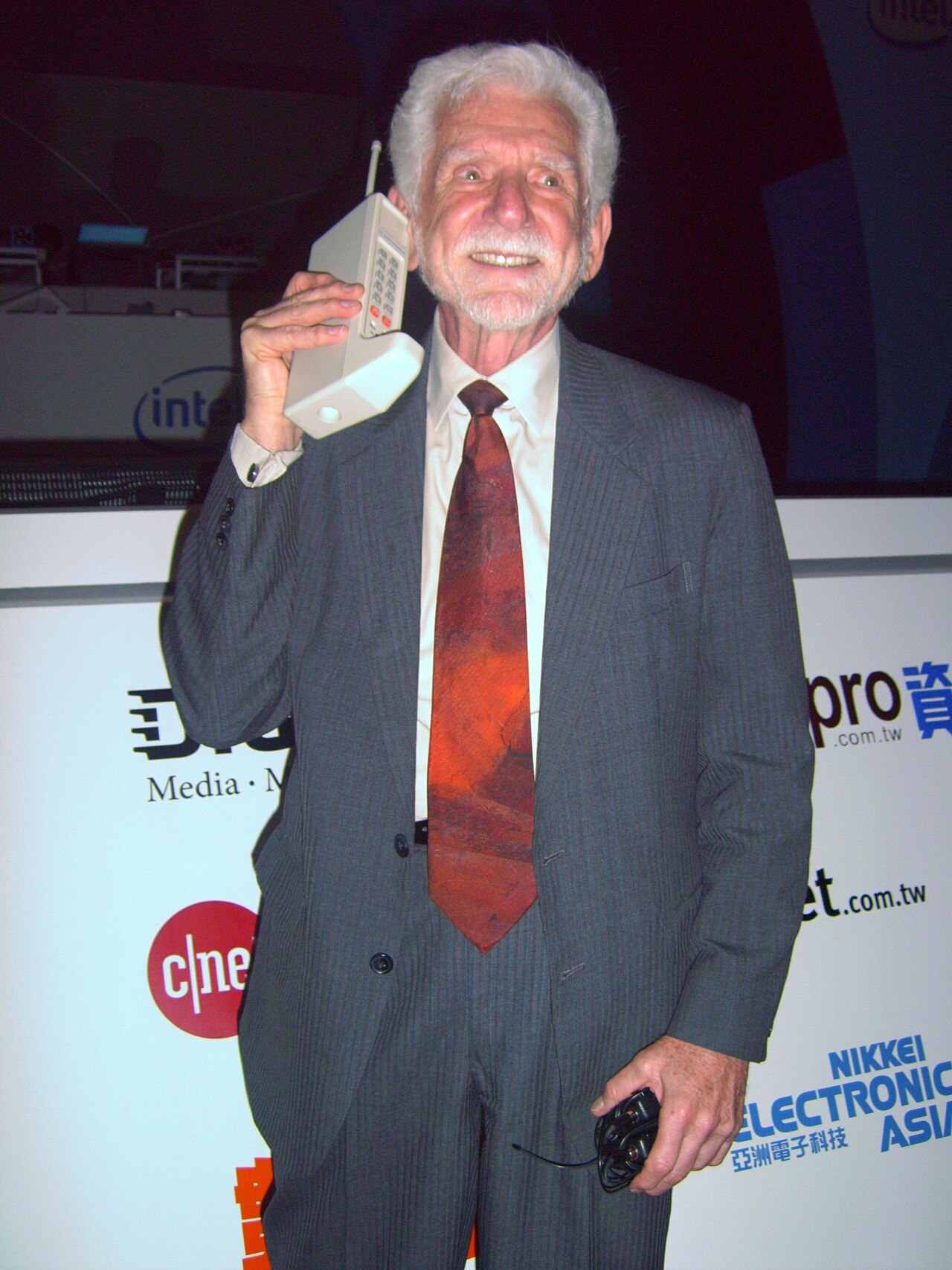


How mobile phones work
At a basic level a mobile phone uses radio frequency signals to exchange information with a nearby base station, sometimes described as a radio interface that connects the handset to wider telecommunication systems. The device identifies and authenticates on a network, and during an active call or data session it transmits and receives packets or channels through the nearest cell tower or base station (telephone network elements are involved beyond that point).
When a user moves, calls or data sessions can be transferred from one cell to another in a process called handover or hand-off. This transfer is coordinated by the network so that interruption is minimal. Cellular networks also manage radio resources, signal strength, encryption, and routing to provide continuous service as a user travels between coverage areas.
History and development
Mobile telephony emerged in the mid‑to‑late 20th century as analog systems evolved into digital cellular networks. Over successive generations—known commonly as 2G, 3G, 4G and beyond—capacity, data speed and services expanded, enabling text messaging, mobile internet and streaming. In the early decades of the 21st century the category known as smartphones became dominant, merging telephony with powerful computing and app ecosystems.
Types and characteristics
- Feature phones: Basic devices focused on calling and messaging with limited internet or app capability; often durable and battery‑efficient (feature phones).
- Smartphones: Handsets with advanced operating systems, touchscreens, web browsers, cameras and app platforms that support third‑party software (smartphones).
- Rugged and specialty phones: Built for durability, long battery life, or particular industrial uses.
Common features across many devices include voice calls, SMS, email, GPS positioning, multimedia playback, and wireless interfaces such as Wi‑Fi and Bluetooth. Improvements in processors, sensors and networks have steadily increased what mobile phones can do.
Uses and social importance
Mobile phones are used for personal and business communication, navigation, banking, news, social networking and entertainment. They have reshaped how people access information, coordinate activity, and participate in civic life. In many regions mobile devices are the primary — sometimes only — means of internet access for individuals and businesses.
Notable distinctions and facts
- Terminology varies by region: "cell phone," "mobile phone" and "handset" are common alternatives.
- Network complexity: modern networks separate radio access from core services, enabling handoff, data routing and security via many cooperating elements like base stations and switches (mobile tower).
- Design tradeoffs: battery life, performance, size and cost influence whether a device is a basic phone or a full smartphone.
Overall, the mobile phone remains a central platform for global communication and digital services, continually evolving as networks and device capabilities advance.
Questions and answers
Q: What is a mobile phone?
A: A mobile phone is a small portable radio telephone that can be used to communicate over long distances without wires.
Q: How does a mobile phone work?
A: A mobile phone works by communicating with a nearby base station, also known as a "mobile tower", which connects it to the main phone network. When moving, if the mobile phone gets too far away from the cell it is connected to, that cell sends a message to another cell to tell the new cell to take over the call. This process is called a "hand off".
Q: How has the cost of owning a mobile phone changed over time?
A: As mobile phones became more popular, they began to cost less money and more people could afford them. Monthly plans became available for rates as low as US$30 or US$40 per month. Cell phones have become so cheap that they have mostly replaced pay phones and phone booths except in urban areas with many people.
Q: What type of phones are popular in the 21st century?
A: In the 21st century, smartphones have become very popular and more people use them than older types of mobile phones, which are called feature phones.
Q: What happens during a hand-off?
A: During a hand-off, when the mobile phone gets too far away from its current cell connection, that cell sends out a message telling another nearby cell to take over the call so that it can continue uninterruptedly without any disruption for the user.
Q: How do smartphones differ from feature phones?
A: Smartphones are much more advanced than feature phones and typically offer features such as internet access, email capabilities, digital cameras and GPS navigation systems whereas feature phones generally only offer basic calling functions.
Related articles
Author
AlegsaOnline.com Mobile phone: overview, operation, history, types and societal impact Leandro Alegsa
URL: https://en.alegsaonline.com/art/65673
Sources
- commons.wikimedia.org : Mobile phones
- thebalitimes.com : "Of Cigarettes and Cellphones"
- artgiri.com : "6.1B Smartphone Users Globally By 2020, Overtaking Basic Fixed Phone Subscriptions"