
Mesa Verde National Park: cliff dwellings, history, and cultural significance
Mesa Verde National Park in Colorado preserves thousands of ancestral Puebloan sites, including famous cliff dwellings. It is a U.S. national park and UNESCO World Heritage Site near the Four Corners.
Overview
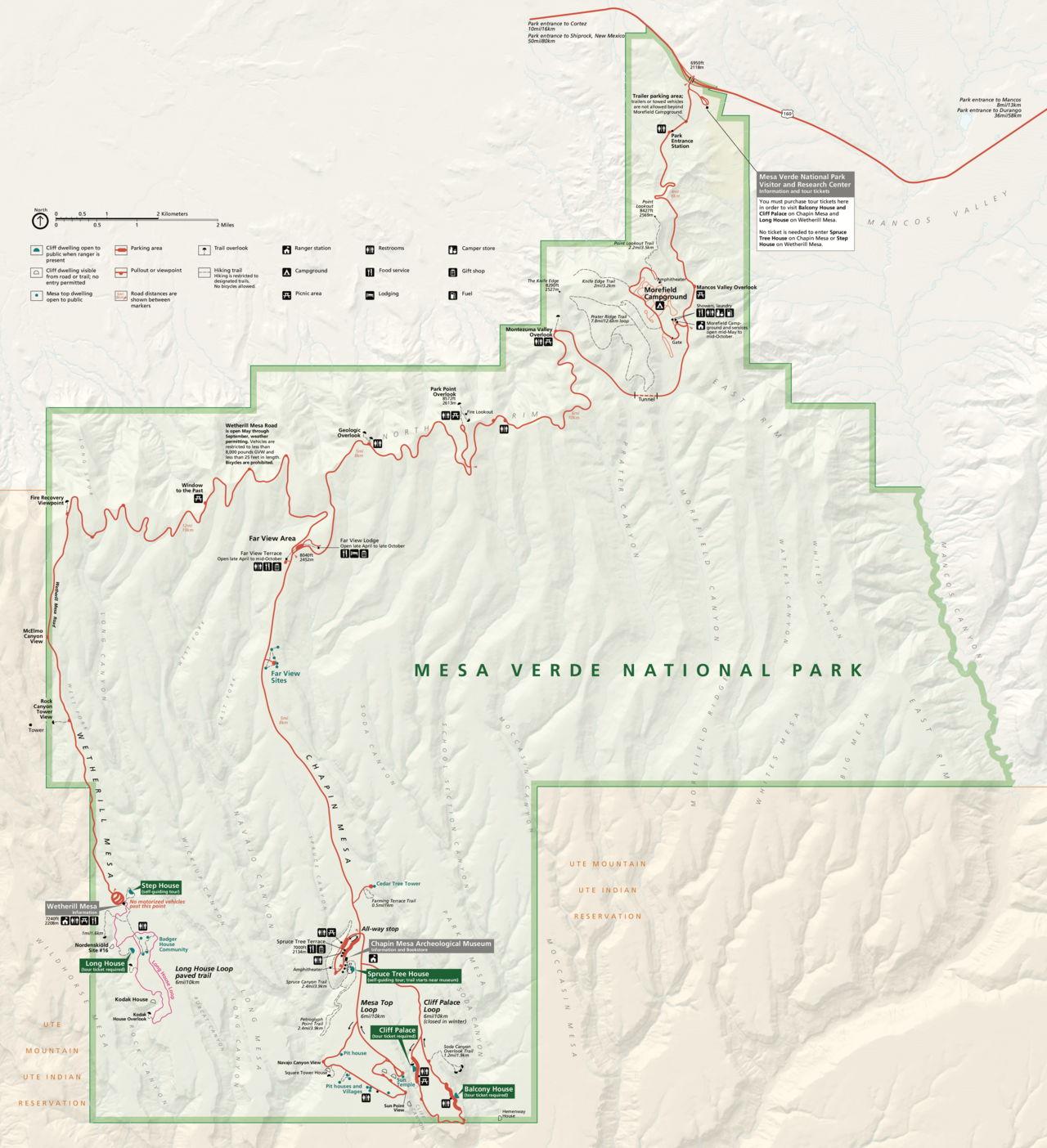
Mesa Verde National Park is a protected landscape in southwestern Colorado created to safeguard one of the richest concentrations of prehistoric archaeological sites in North America. Designated a United States National Park in 1906 and later inscribed as a UNESCO World Heritage Site, the park covers roughly 81.4 square miles (about 211 km²) of mesas, canyons and cliff faces. It lies in Montezuma County, near the intersection of state lines known as the Four Corners, and within the broader landscape of Colorado.
Image gallery
10 Images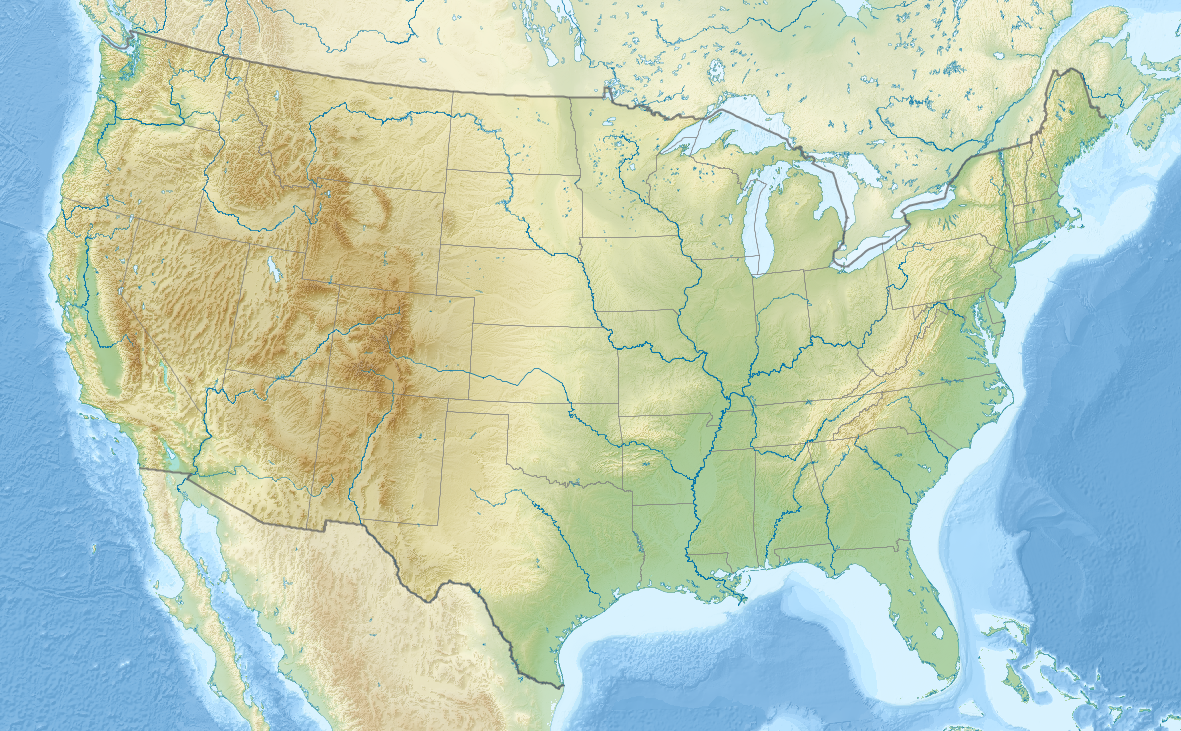




Landscape and archaeology
The park contains more than 4,700 recorded archaeological sites ranging from isolated agricultural fields and pit houses on mesa tops to extraordinary multistory structures built beneath cliff overhangs. Approximately 600 of these are cliff dwellings—stone-and-mortar rooms and kivas constructed in natural alcoves that protect them from the elements. Mesa Verde's mesas are dominated by pinyon and juniper woodlands, interspersed with sage and arid-adapted plants; those natural settings frame the archaeological remains and complicate preservation efforts.
People and cultural development
The sites at Mesa Verde were created by the ancestors of today’s Pueblo peoples, generally referred to as ancestral Puebloans. Early inhabitants, often called the Basketmaker peoples, lived in small pithouse villages on mesa tops and practiced both foraging and farming of corn, beans and squash. Over centuries social organization, architecture and technology changed: basketry and pottery evolved, the hunter-gatherer emphasis shifted toward settled agriculture, and new tools and weapons (including the bow and arrow) spread through the region. By the 12th and 13th centuries many communities moved from mesa-top villages into cliff alcoves where the stone rooms that define Mesa Verde were built.
Cliff dwellings and architecture
Cliff dwellings vary in size and complexity, from modest multiroom clusters to large complexes with dozens of rooms and communal kivas. Cliff Palace is often cited as among the largest of these cliff dwellings in North America. Construction used local sandstone, mortar and shaped wooden beams; rooms were arranged around plazas and subterranean ceremonial spaces. The Spanish name Mesa Verde means "green table," a literal description of the treed mesas that cap the surrounding landscape.
Preservation, research, and modern connections
Mesa Verde is important for archaeology, anthropology and the living cultures connected to the sites. The park supports ongoing research, conservation, and interpretation, working in partnership with descendant Pueblo nations to respect cultural values and to present history in a way that acknowledges Indigenous perspectives. Protection as both a national park and a World Heritage site highlights its global and national significance and helps fund efforts to stabilize ruins and manage visitor impacts.
Visiting and notable sites
- Cliff Palace — large cliff complex often visited by guided tours.
- Spruce Tree House — well-preserved dwelling that illustrates room and kiva arrangements.
- Balcony House — smaller, dramatic alcove dwelling requiring ladders and narrow passageways to reach.
Visitors to Mesa Verde can explore overlooks, short trails and ranger-led programs that explain archaeology, traditional lifeways and the challenges of conserving ancient structures in a living landscape. The park remains a key place for understanding the adaptations and achievements of ancestral Puebloan societies and their continuing importance to descendant communities and the public.
Questions and answers
Q: What is Mesa Verde National Park?
A: Mesa Verde National Park is a United States National Park and UNESCO World Heritage Site located in Montezuma County, Colorado. It was created in 1906 to protect some of the best preserved cliff dwellings in the world.
Q: How large is Mesa Verde National Park?
A: The park occupies 81.4 square miles (211 square kilometers) near the Four Corners region.
Q: Who built the cliff dwellings at Mesa Verde?
A: The ancestral Puebloan people, sometimes called the Anasazi, built these stone villages their home in the 13th century. However, they had been living in pithouses clustered into small villages on mesa tops or overhangs of cliffs since 600 AD.
Q: What is Cliff Palace?
A: Cliff Palace is thought to be the largest cliff dwelling in North America and one of many archeological sites found within Mesa Verde National Park.
Q: What does "Mesa Verde" mean?
A: The Spanish term "Mesa Verde" translates into English as "green table".
Q: How many archeological sites are there at Mesa Verde National Park?
A: There are over 4700 archeological sites found within Mesa Verde National Park, with approximately 600 being cliff dwellings.
Q: When did the first ancestral Puebloans settle at Mesa Verde?
A:The first ancestral Puebloans settled at Mesa Verde over 600 years before the construction of any cliff dwellings began around 750 AD.
Related articles
Author
AlegsaOnline.com Mesa Verde National Park: cliff dwellings, history, and cultural significance Leandro Alegsa
URL: https://en.alegsaonline.com/art/64055
Sources
- nature.nps.gov : "Five Year Annual Recreation Visits Report"
- whc.unesco.org : "Mesa Verde National Park"