
Mesoamerican pyramids: architecture, cultures, and historical significance
Step pyramids built across ancient Mesoamerica by cultures such as the Maya, Aztec, Teotihuacan and Zapotecs; used for ritual, burial and state display. Overview, construction, notable sites and legacy.
Overview
Mesoamerican pyramids are monumental stepped structures constructed by indigenous societies across what is now Mexico and Central America (Central America). Unlike the smooth-sided pyramids of ancient Egypt, many Mesoamerican examples are built as terraces or platforms, often called step pyramids. The term commonly includes the large temple-mounds of the Maya (Mayan pyramids) and related forms found throughout the region.
Image gallery
8 Images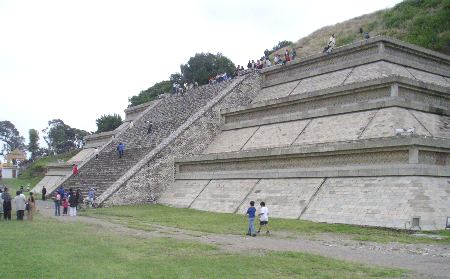




Design and construction
These pyramids typically consist of multiple stepped levels rising to a flat summit that supported a temple, shrine, or ceremonial platform. Construction used locally available stone, cut blocks, rubble cores and lime-based stucco finishes. Architectural features vary by culture: for example, the talud-tablero motif is associated with central Mexican sites, while Maya pyramids often have steep stairways aligned with sightlines for rituals.
Builders and regional traditions
Multiple cultural traditions produced pyramidal monuments. Notable builders include:
- Aztecs — built large urban temple-pyramids for state religion and public ritual.
- Teotihuacan — creators of massive pyramid complexes in the Basin of Mexico.
- Toltecs and other highland groups — adapted earlier forms for new political centers.
- Zapotecs and other Oaxaca cultures — regional ceremonial mounds and tomb-linked platforms.
- Maya — centers across the lowlands and highlands built pyramids that combined tomb, temple and astronomical functions.
Functions and cultural importance
Mesoamerican pyramids served multiple roles. They were focal points for religious ceremonies, offerings and public rites; some enclosed burials or served as funerary monuments. Many were designed with astronomical orientations and sightlines used in calendrical observations. Because pyramids were visually dominant in cityscapes, they also expressed political authority and communal investment in ritual life.
Notable examples
- Pyramid of the Sun and Pyramid of the Moon at Teotihuacan — part of one of the largest ancient urban complexes in the region.
- Great Pyramid of Cholula — a vast temple mound often cited as the largest pyramid by volume; some aspects of its early construction remain debated.
- El Castillo at Chichén Itzá and the temple-pyramids at Tikal and Palenque — well-known Maya structures combining temple space with stairway access and sculptural decoration.
Legacy and preservation
These pyramids are central to the cultural heritage of modern Mexico and Central America and attract extensive archaeological study and tourism. Preservation challenges include environmental erosion, urban development, and balancing public access with conservation. Continued research refines understanding of construction sequences, ritual meaning and the diversity of regional styles across ancient Mesoamerica.
Questions and answers
Q: Who built the Mesoamerican pyramids?
A: The Mesoamerican pyramids were built by native American Indians in Central America.
Q:What type of pyramids were the Mesoamerican Pyramids mainly built as?
A: The Mesoamerican Pyramids were mainly built as step pyramids.
Q: Give an example of Mesoamerican pyramids?
A: The Mayan pyramids are an example of Mesoamerican pyramids.
Q: Which American peoples have built pyramids?
A: The American peoples who have built pyramids include Aztecs, Teotihuacan, Toltecs, Zapotecs, Purépechans, Mayans, and Chalchihuite.
Q: Is the builder of the largest step pyramid known?
A: No, there are a number of famous step pyramids whose builders are not known, including the largest of all: the Great Pyramid of Cholula.
Q: What is the location of Mesoamerican pyramids?
A: The Mesoamerican pyramids are located in Central America.
Q: What was the most common type of pyramid found in Mesoamerica?
A: The most common type of pyramid found in Mesoamerica was the step pyramid.
Related articles
Author
AlegsaOnline.com Mesoamerican pyramids: architecture, cultures, and historical significance Leandro Alegsa
URL: https://en.alegsaonline.com/art/64084