
Metropolitan Cathedral of Mexico City
Major Roman Catholic cathedral in Mexico City's main square, built 1573–1813; renowned for its blended architectural styles, historical significance, and extensive interior chapels and artworks.
Overview
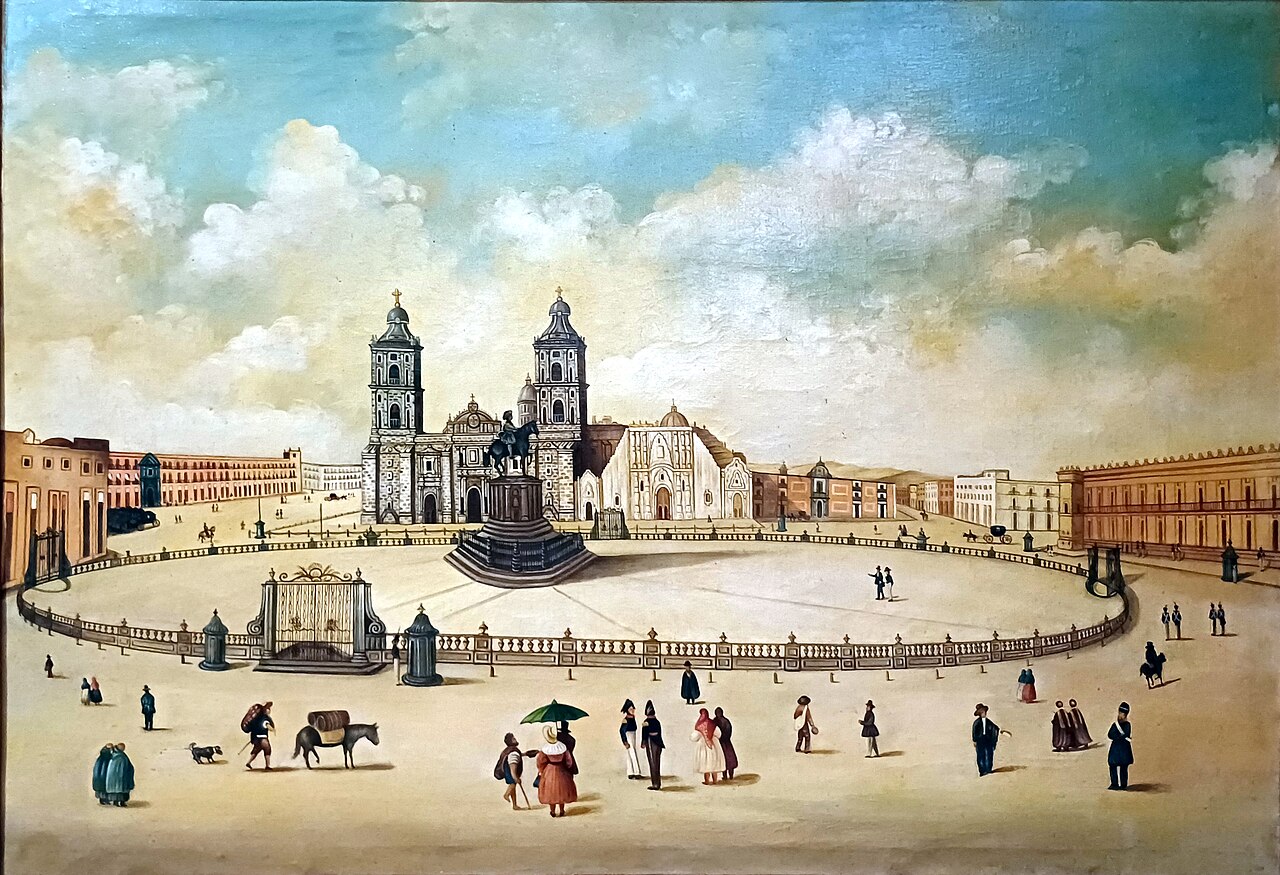
The Metropolitan Cathedral of the Assumption of Mary, commonly called the Mexico City Cathedral, stands on the northern side of the Zócalo in the historic center of Mexico City. It serves as the seat of the Roman Catholic Archdiocese of Mexico and is one of the oldest and largest cathedrals in the Americas. The building was constructed gradually between the late 16th and early 19th centuries and is dedicated to the Assumption of the Virgin Mary.
Image gallery
10 Images


Architecture and parts
The cathedral is noted for combining several architectural styles produced over two and a half centuries. Elements of Gothic planning appear in the cathedral's verticality, while Baroque ornamentation dominates many of the chapels and altarpieces. Later Neoclassical details were added in the 18th and early 19th centuries. The structure includes twin towers, a large nave flanked by aisles, multiple side chapels, choir stalls, and a high altar with elaborate retablos.
History and context
The present cathedral was erected on or adjacent to the site of pre-Hispanic religious buildings shortly after the Spanish conquest of Tenochtitlán. Construction began around 1573 and continued in phases until around 1813, gradually replacing the earlier principal church. It reflects the colonial era's religious and political priorities and stands as a visible symbol of Spain's ecclesiastical presence in New Spain. Conservation and restoration efforts in the 20th and 21st centuries have addressed subsidence and structural stresses caused by the soft lakebed soils of the basin.
Interior, art and function
The cathedral contains dozens of chapels, altarpieces, paintings, and funerary monuments created by local and European artists. Notable features include the main altar, ornate choir stalls, and richly decorated side chapels that served confraternities and guilds. It continues to function as an active place of worship and as a site for major liturgical ceremonies and civic events.
Significance and visiting
- Cultural importance: A landmark of Mexico's colonial heritage and a UNESCO World Heritage site component within the historic center.
- Conservation: Ongoing stabilization work and restorations address foundation settling and preserve artworks.
- Access: Visitors can explore the interior, attend services, and view guided exhibits; practical information is available from local cultural authorities and tourism offices.
For additional historical background or architectural detail see sources on the cathedral's construction and role in Mexico City's urban fabric, including specialized studies and institutional pages such as the official cathedral site and heritage organizations (Metropolitan Cathedral, colonial history). More general cultural and tourism information is also available through municipal and national resources (regional context, city guides).
Related articles
Author
AlegsaOnline.com Metropolitan Cathedral of Mexico City Leandro Alegsa
URL: https://en.alegsaonline.com/art/64335