
Melodrama: definition, history, characteristics and cultural influence
Melodrama is a dramatic genre noted for sensational plots, strong emotional appeal, clear moral polarization and often musical accompaniment; prominent on 19th-century stages and later adapted in film and television.
Overview
Melodrama is a form of dramatic and narrative art that emphasizes heightened emotion, moral contrasts and plot-driven sensation. As a theatrical and narrative category it sits between simple entertainment and serious drama: its stories are constructed to elicit strong feelings rather than to probe psychological subtlety. The term is commonly applied to both dramatic and literary works and—originally—referred to the relationship between music and stage action.
Image gallery
3 Images
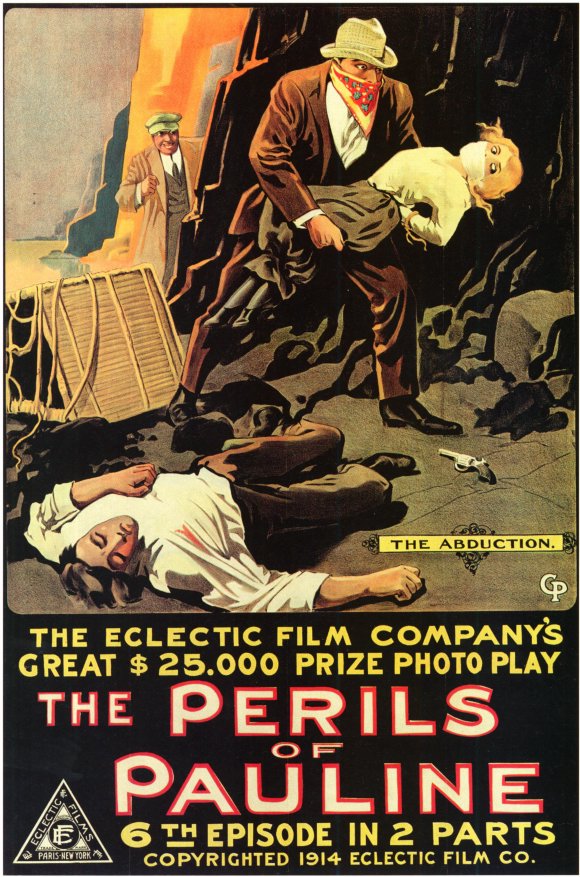

Key characteristics
Several features mark melodrama in stage, screen and print. Plots tend to be sensational, dependent on coincidence, reversals and narrowly escaped perils. The emotional register is intensified: scenes are designed to provoke pity, fear or righteous indignation. Characterization is often economical and functional rather than psychologically complex; critics speak of crude characterization or deliberately stereotyped figures. Plays and stories frequently employ easily recognizable types and stock roles rather than nuanced individuals.
- Stock characters: villain, hero, heroine, policeman and damsel in distress.
- Direct moral polarity: good and evil are clearly delineated.
- Musical underscoring or explicit songs to guide audience response; a legacy of the word’s being a portmanteau combining melody and drama.
Origins and historical development
Melodrama developed in the late 18th and early 19th centuries as popular theatres sought to attract broad audiences with accessible storytelling, music and spectacle. On the stage it flourished during the Victorian era, where touring companies and metropolitan theatres staged sensational pieces that foregrounded emotion and clear moral outcomes. The form crossed into the novel and, later, into cinema and early radio and television, maintaining its emphasis on incident and affect while adapting to new media. Traditional stage melodrama was frequently accompanied by underscoring and musical cues — a linking of melody and action that explains the genre’s name.
Contexts, uses and examples
Melodrama appears in diverse cultural products: 19th-century stage works, serialized novels, early silent films, soap operas and some contemporary popular films that favor clear moral narratives and heightened feeling. Onstage productions often present a compact cast of simple characters and situations engineered to produce audience pity or outrage. Melodramatic devices remain influential in genres as varied as family melodrama, the thriller and certain comic forms that deliberately invoke excess for effect.
Distinctions and critical reception
Critics historically contrasted melodrama with realism and psychological drama, sometimes using the term pejoratively to imply crude or manipulative art. By the mid-20th century the label was often shorthand for low artistic ambition. Contemporary scholarship, however, recognizes melodrama’s formal strategies and cultural functions: its clarity of moral vision, ability to engage mass audiences, and role in shaping narrative techniques across media. The genre can be both formulaic and richly expressive, and scholars continue to debate its value and influence.
Further reading and related topics
For introductions and specialized discussions see general histories of theatre and narrative forms, and resources that address the crossover between music and stage performance. Related terms and entries include theatrical play structure, the history of Victorian popular entertainment, and the study of dramatic types such as drama and literature.
Notes: melodrama’s emphasis on musical accompaniment and simple moral layout links back to its name and to early practices in which underscoring directed audience feeling; its stock figures — from the scheming villain to the upright hero — remained central to stage and screen storytelling, even as critics sometimes dismissed such works as lacking subtlety.
Related articles
Author
AlegsaOnline.com Melodrama: definition, history, characteristics and cultural influence Leandro Alegsa
URL: https://en.alegsaonline.com/art/63687