
Moulin Rouge: Parisian cabaret, the red windmill and cultural landmark
Historic Paris cabaret founded in 1889, famed for the red windmill, the can-can dance, Toulouse-Lautrec posters, nightly revues and an outsized influence on popular culture and the arts.
Overview
The Moulin Rouge is a famous cabaret and nightclub established in 1889 in the north of Paris. Its signature feature is a large red windmill on the roof that makes the building instantly recognisable. Located on Boulevard de Clichy in the 18th arrondissement, the venue sits at the edge of Montmartre and the lively, historic Pigalle quarter of Paris. Over more than a century the Moulin Rouge has combined popular entertainment with visual spectacle and strong ties to the art world.
Image gallery
10 Images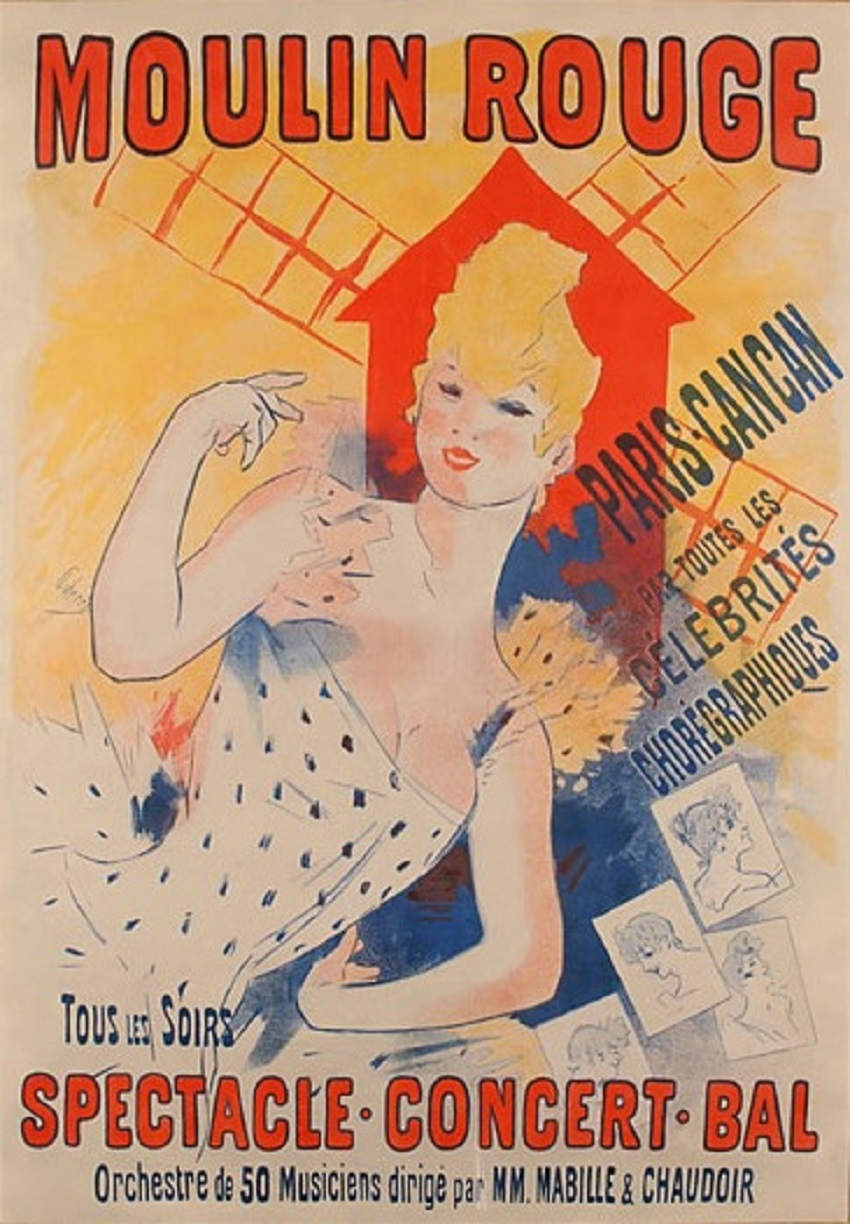



Origins and design
Opened during the Belle Époque, the Moulin Rouge capitalised on a growing appetite for leisure and spectacle. Its exterior windmill, now emblematic, signalled a playful, provincial fantasy transported to the city. Inside, the auditorium was configured to encourage visibility and sociability, allowing rapid scene changes and flexible staging. This emphasis on fast-paced scenic transitions and a convivial public space contributed to its early reputation as an innovative entertainment house.
Performances and notable features
The house became well known for elaborate revues that combined chorus lines, solo specialty acts and comic interludes. Champagne-fuelled evenings were a hallmark, with patrons dining and dancing while watching acts change regularly. The revue format made room for novelty performers — including the celebrated flatulence artist the Pétomane — and for choreographic innovations. Most famously, the high-energy dance that evolved into the Can-can helped define the Moulin Rouge's style.
- Architectural novelty and rapid décor changes (architecture, auditorium)
- Champagne nights and variety acts (champagne)
- Popularisation of the Can-can and daring costuming
- Star performers who became household names, such as La Goulue
Artists, posters and cultural ties
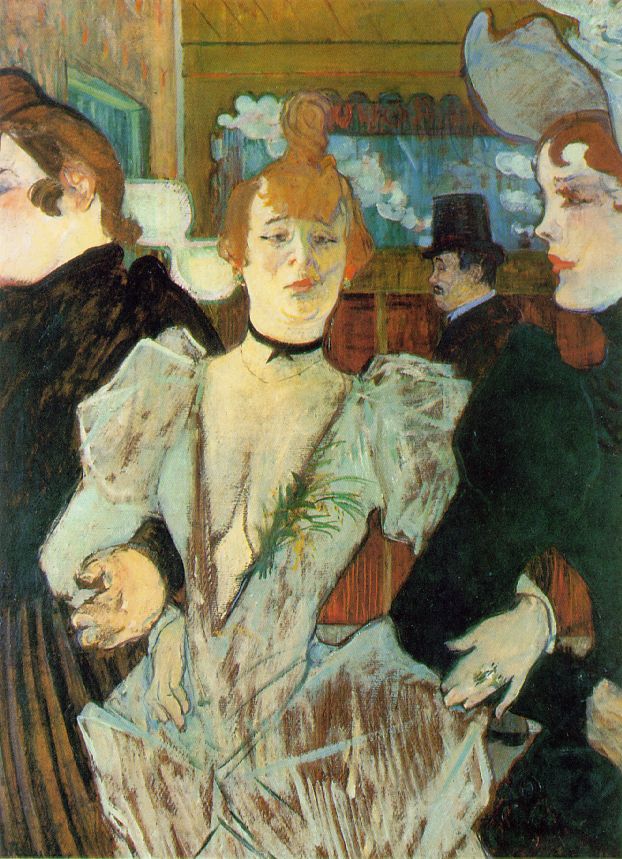
The Moulin Rouge maintained close links with painters, illustrators and writers. Henri de Toulouse-Lautrec stands out for the posters and scenes he produced that captured the cabaret’s atmosphere and helped spread its fame. The venue was a meeting point for creative figures who both documented and mythologised nightlife, enhancing the club’s profile beyond France. Management even reserved a table for artistic patrons, acknowledging the reciprocal relationship between stage and studio.
Legacy and popular culture
As a subject and setting, the Moulin Rouge has appeared in literature, fine art and cinema. Filmmakers have used its world as inspiration and backdrop; notable cinematic treatments include Jean Renoir's work and the contemporary musical film Moulin Rouge! directed by Baz Luhrmann. These interpretations vary in tone but share an interest in the venue's mix of glamour, romance and bohemian energy. The cabaret remains an active tourist attraction and performance house, presenting nightly revues that nod to historic traditions while adapting to modern audiences.
Significance and distinctions
Beyond entertainment, Moulin Rouge is an emblem of Belle Époque popular culture, a crucible for stagecraft, costume and poster art, and a site where working performers and avant-garde artists intersected. Its image — the red windmill, high-kicking chorus lines and champagne-splashed tables — has persisted as a shorthand for Parisian nightlife in the global imagination. For further reading and archival material consult dedicated resources and museum collections that document its evolving role in the performing arts.
For more contextual background and related subjects see materials on historic cabaret traditions (Pigalle nightlife), Parisian districts (Montmartre), and film treatments of the subject (Jean Renoir) as entry points into the wider cultural story.
Additional references and external resources: city context, iconic windmill, stage architecture, audience layout, champagne culture, famous performers, modern film, director profile.
Questions and answers
Q: When was the Moulin Rouge established?
A: The Moulin Rouge (Red Windmill) was established in 1889.
Q: Where is the Moulin Rouge located?
A: The Moulin Rouge is located on Boulevard de Clichy in the 18th arrondissement of Paris, near Montmartre and the red-light district of Pigalle.
Q: What can be seen on top of the theatre?
A: On top of the theatre is a large red windmill which makes it easily recognizable.
Q: What type of performances are held at the Moulin Rouge?
A: The Moulin Rouge puts on cabaret shows every day and is also famous for being where the French dance, Can-can, was first performed.
Q: Who designed many posters for the cabaret?
A: Henri Toulouse-Lautrec designed many posters for the cabaret.
Q: What ingredients made up its success? A: The ingredients for its success are said to be a revolutionary architecture for auditoriums that allowed rapid changes of décor; festive champagne evenings with amusing acts that changed regularly; a new dance inspired by quadrille called Can-can; famous dancers such as La Goulue and Jane Avril; and being loved by artists like Toulouse-Lautrec whose posters secured international fame for it.
Q: How has this place been portrayed in films? A: Several movies have been made about the Moulin Rouge, including one directed by Baz Luhrmann called 'Moulin Rouge!' and another by Jean Renoir.
Related articles
Author
AlegsaOnline.com Moulin Rouge: Parisian cabaret, the red windmill and cultural landmark Leandro Alegsa
URL: https://en.alegsaonline.com/art/66959
Sources
- moulinrouge.fr : Histoire du Moulin Rouge