
Villain: Definition, Types, History and Role in Storytelling
An overview of the villain in fiction: definition, etymology, types (including supervillains), narrative roles, notable examples, and how villains shape audience responses and themes.
A villain is a character in narrative media who opposes the protagonist or embodies morally objectionable behavior. In many works the villain functions as the principal source of conflict, provoking the hero's actions and testing the story's moral framework. The term is closely related to the broader category of antagonist in dramatic theory, and discussions of villainy appear across literary and cinematic criticism.
Image gallery
6 Images
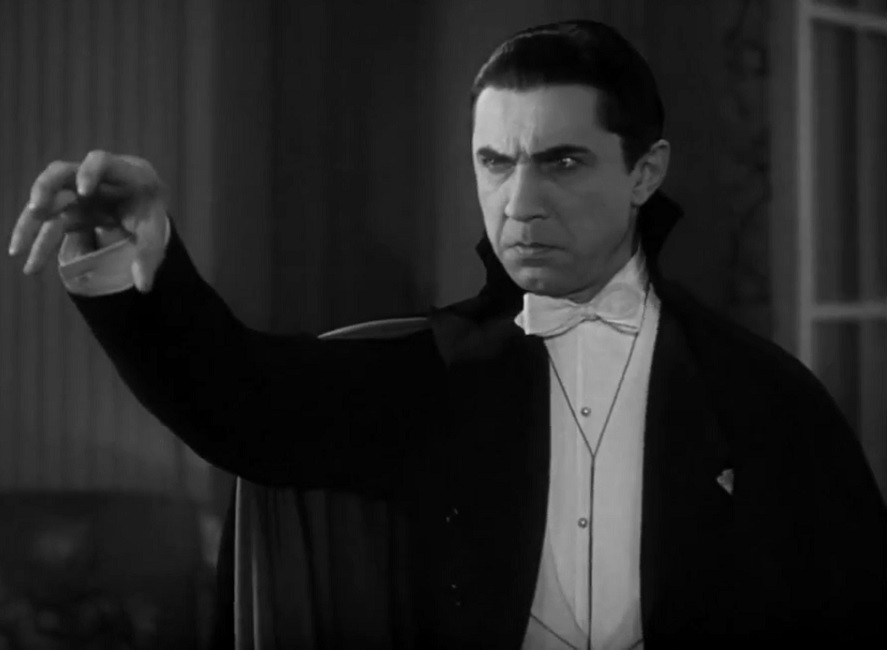


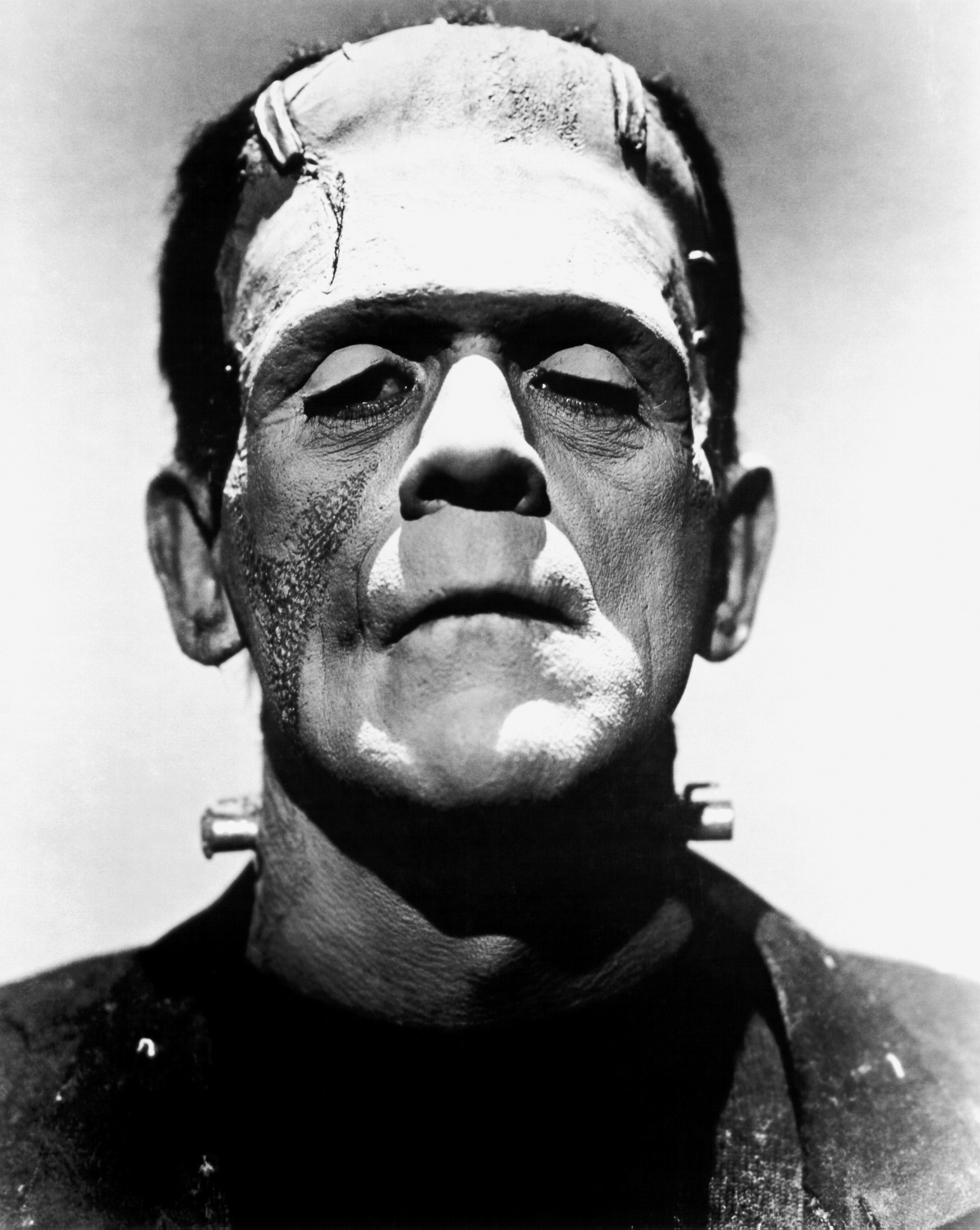

Origin and etymology
The English word "villain" traces back to a Latin root originally associated with rural life and service: scholars note its evolution from words referring to someone connected with a farm or estate. Over centuries the term shifted from a social descriptor to one denoting low-born or coarse behaviour, and ultimately to the modern sense of a wrongdoer in stories and discourse. Historical usage and linguistic development are discussed in many etymological sources (etymology) and social histories of feudal life (feudal) and peasantry (peasant).
Characteristics and common types
Villains vary widely, but they often share a few structural roles: they create obstacles, reveal thematic tension, and provide contrast to the protagonist. Forms commonly encountered include:
- Conventional antagonist — a rival or enemy who seeks to thwart the hero's aims (antagonist).
- Systemic villain — impersonal forces such as corrupt institutions or social systems, frequently explored in novels and films.
- Antiheroic reversals — stories where the perspective favors a morally ambiguous lead while the conventional 'hero' is problematic; these narratives complicate audience sympathy (hero).
Notable examples and cultural impact
Famous fictional villains sometimes eclipse their narratives, becoming cultural symbols. For instance, certain modern portrayals have provoked public debate about sympathy for transgressive figures: one widely discussed cinematic portrayal of a chaotic antagonist drew intense attention and scholarly commentary (Joker), while that character remains tied to a long-running heroic franchise (Batman).
Other works invert the usual moral map so that criminal or anti-establishment figures are framed as the protagonists, as seen in ensemble heist stories and caper films (Ocean's Eleven being a popular example).
Comic book supervillains and extraordinary powers
In comics and popular serial media the term "supervillain" denotes antagonists who typically possess exaggerated abilities, advanced technology, or grandiose schemes. These characters are staples of serialized storytelling and often function as embodiments of particular fears or oppositions in a genre context (comic books). Supervillains may be defined by unusual origins, symbolic motifs, and the escalation of stakes needed to challenge superpowered protagonists (supervillain).
Function in storytelling and critical perspectives
Beyond plot mechanics, villains are tools for exploring ethics, power, and social critique. Writers create villains to test virtues, illuminate character, or dramatize conflict between competing values. Modern criticism pays attention to complexity: sympathetic backstories, moral ambiguity, and opportunities for redemption can make villains more compelling and encourage audiences to reflect on motives rather than simply condemn actions. Scholarly and popular commentary continues to debate whether certain sensationalized portrayals glamorize wrongdoing or invite useful conversations about society.
Whether as archetypal foils, tragic figures, or embodiments of systemic harm, villains remain central to storytelling across media. They shape pacing and tension, influence audience allegiance, and provide a mirror that helps define the hero. For further readings on character roles, narrative function, and cultural impact see related discussions in literary and film studies (literary) and critical overviews (cinematic).
Related articles
Author
AlegsaOnline.com Villain: Definition, Types, History and Role in Storytelling Leandro Alegsa
URL: https://en.alegsaonline.com/art/105194