
Musical theater: overview, history, structure, and notable works
A concise guide to musical theatre: its defining components, historical development, common forms, and representative works from early operetta to modern Broadway and West End productions.
Musical theater (or musical theatre) is a stage art form that blends spoken drama with music and song, often incorporating dance. Audiences experience a combined presentation of acting, orchestral or recorded music, sung lyrics and movement in a single performance. Some shows are largely spoken with musical numbers, while others are "sung-through"—with little or no spoken dialogue; Les Misérables is a prominent example of the latter approach. Iconic titles that illustrate the range of the form include West Side Story, The Sound of Music, Oklahoma! and the long-running revival classic Chicago.
Image gallery
10 Images


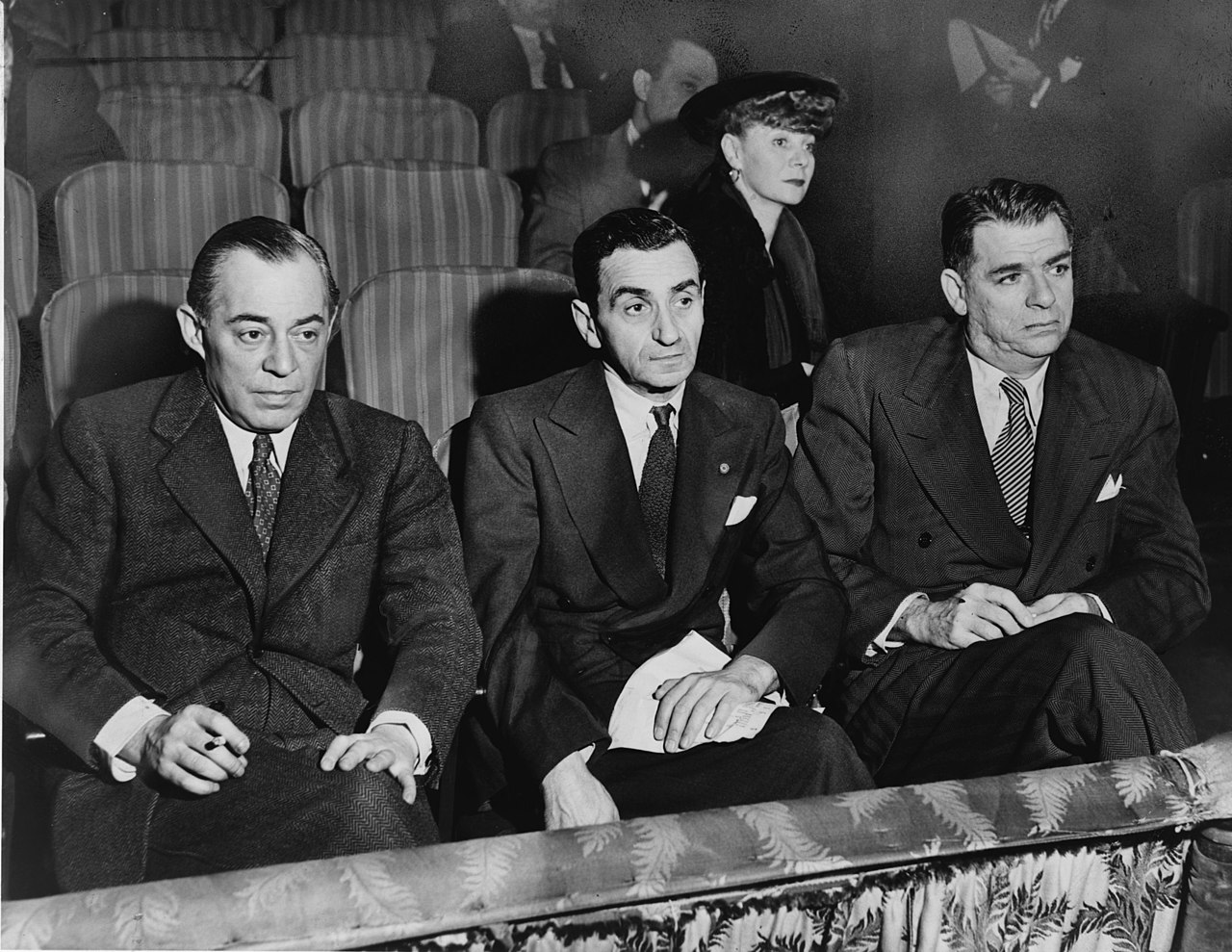


Key components and creative roles
At the heart of a musical are several interdependent parts. The book or libretto supplies plot and spoken words; the score contains music and lyrics; choreography provides movement; and orchestration determines how the music is realised by instruments. A production also depends on direction, set and costume design, lighting, and vocal and musical coaching. Together these elements create a staged narrative that moves between speech and song to shape emotional pacing and character development.
Historical development
Music has accompanied dramatic presentation since antiquity, but the modern Western musical emerged by combining influences from 19th‑century operetta, popular song, vaudeville and musical comedy. By the late 19th and early 20th centuries, commercially produced stage musicals evolved in urban theatrical centres such as New York's Broadway and London's West End. Over time composers and librettists experimented with form—shifting from revue-style entertainments to integrated "book" musicals in which songs and dances advance plot and deepen character.
Forms, styles and conventions
Musical theatre spans many subtypes. A book musical integrates song and story; a sung-through musical uses continuous music; a revue assembles thematically linked numbers; a jukebox musical builds a plot around pre-existing popular songs. Productions also vary in scale from intimate chamber shows to large-scale spectacles with extensive casts and orchestras. Conventions include the use of reprises to recall musical themes, overtures that introduce motifs, and finales that resolve dramatic arcs.
Importance, examples and cultural impact
Musical theatre has shaped popular culture through theatre, film and recordings. Successful shows spawn cast albums, tours, revivals and screen adaptations, bringing stage works to wider audiences. The form fosters collaboration between writers, composers, performers and designers, creating works that can be both entertainment and social commentary. For those wanting to learn more about performance history and techniques, general discussions of drama and stagecraft provide useful context.
Further reading and resources
- Performance practice and production guides.
- Studies of musical composition and music theory for theatre.
- Biographies of influential creators and analyses of landmark shows such as West Side Story and The Sound of Music.
- Practical resources on movement and dance for stage performers.
- Historical surveys that trace the rise from operetta to contemporary musicals, including works like Les Misérables and traditional pieces such as Oklahoma!.
For introductions and archival materials, consult directories and libraries that specialise in theatre history and production. Many institutions and educational programmes offer pathways for performers and creators to study the collaborative craft of musical theatre.
Related articles
Author
AlegsaOnline.com Musical theater: overview, history, structure, and notable works Leandro Alegsa
URL: https://en.alegsaonline.com/art/67773
Sources
- jstor.org : "The Music of 'Musicals'"