
Medina (al-Madīnah al-Munawwarah): history, religious importance and landmarks
Medina is Islam's second-holiest city, home to al-Masjid an-Nabawi and the Prophet's tomb. It served as the early Muslim polity's capital after the Hijrah and remains a major pilgrimage and cultural center.
Overview
Medina, often called al-Madīnah al-Munawwarah or simply al-Madīnah, is a major city in the western Arabian Peninsula and the capital of the Al Madinah Region. It sits within the historic Hejaz area and is the administrative center of the modern Al Madinah Region. The city's Arabic name and variants are noted in traditional sources; see Arabic name and local pronunciations for linguistic details. In religious terms, Medina is regarded as the second-holiest city in Islam after Mecca.
Image gallery
10 Images


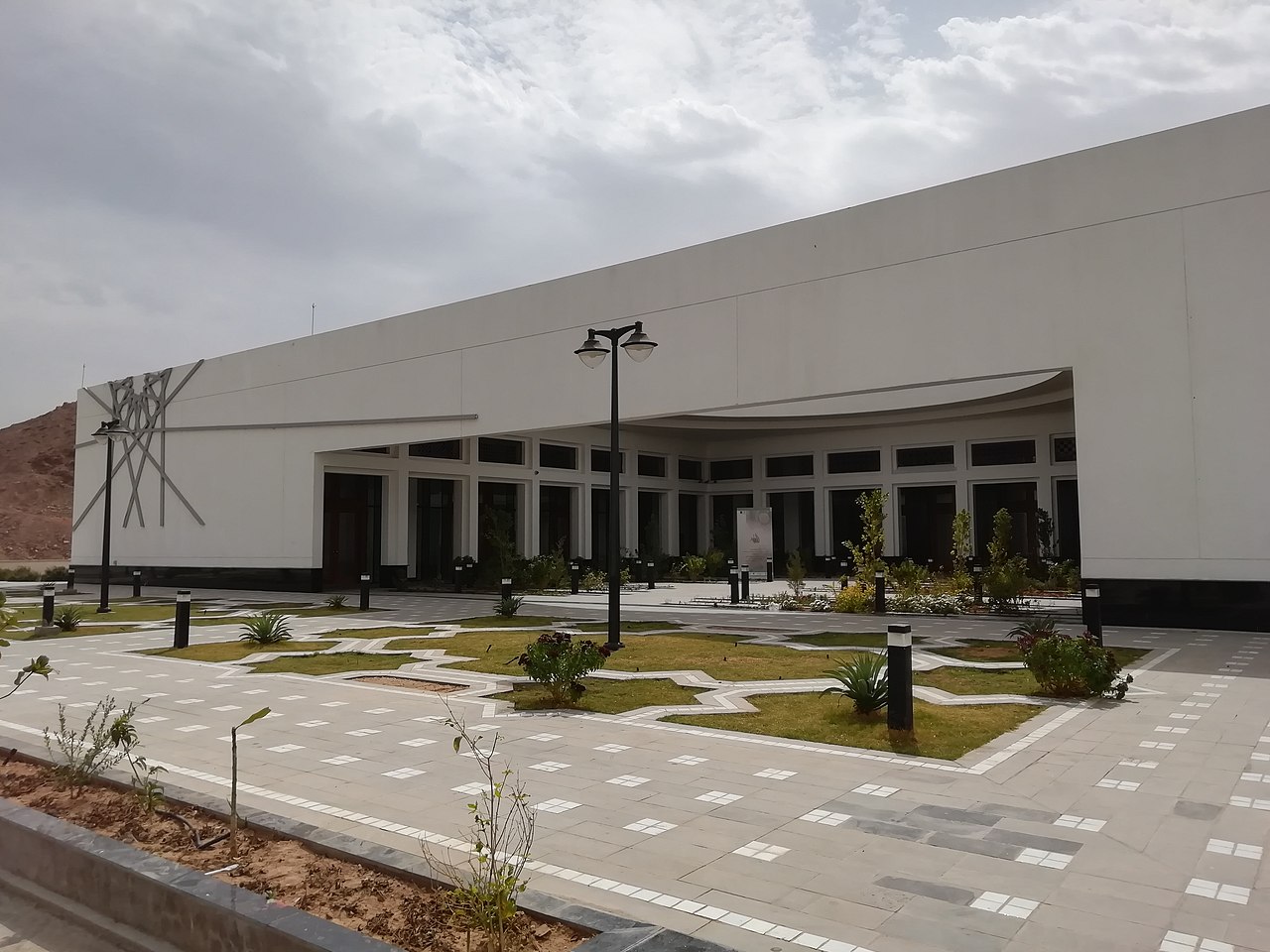

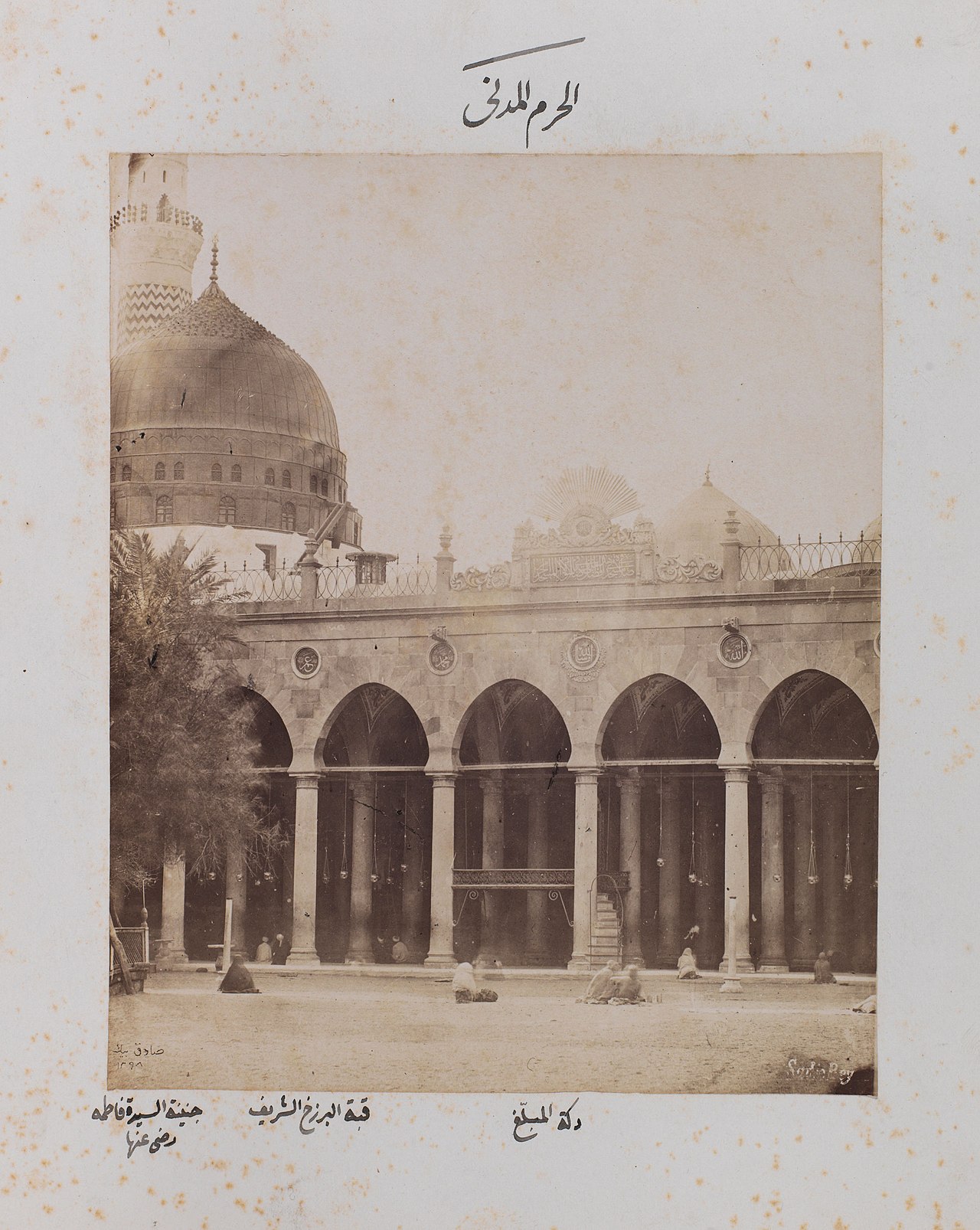
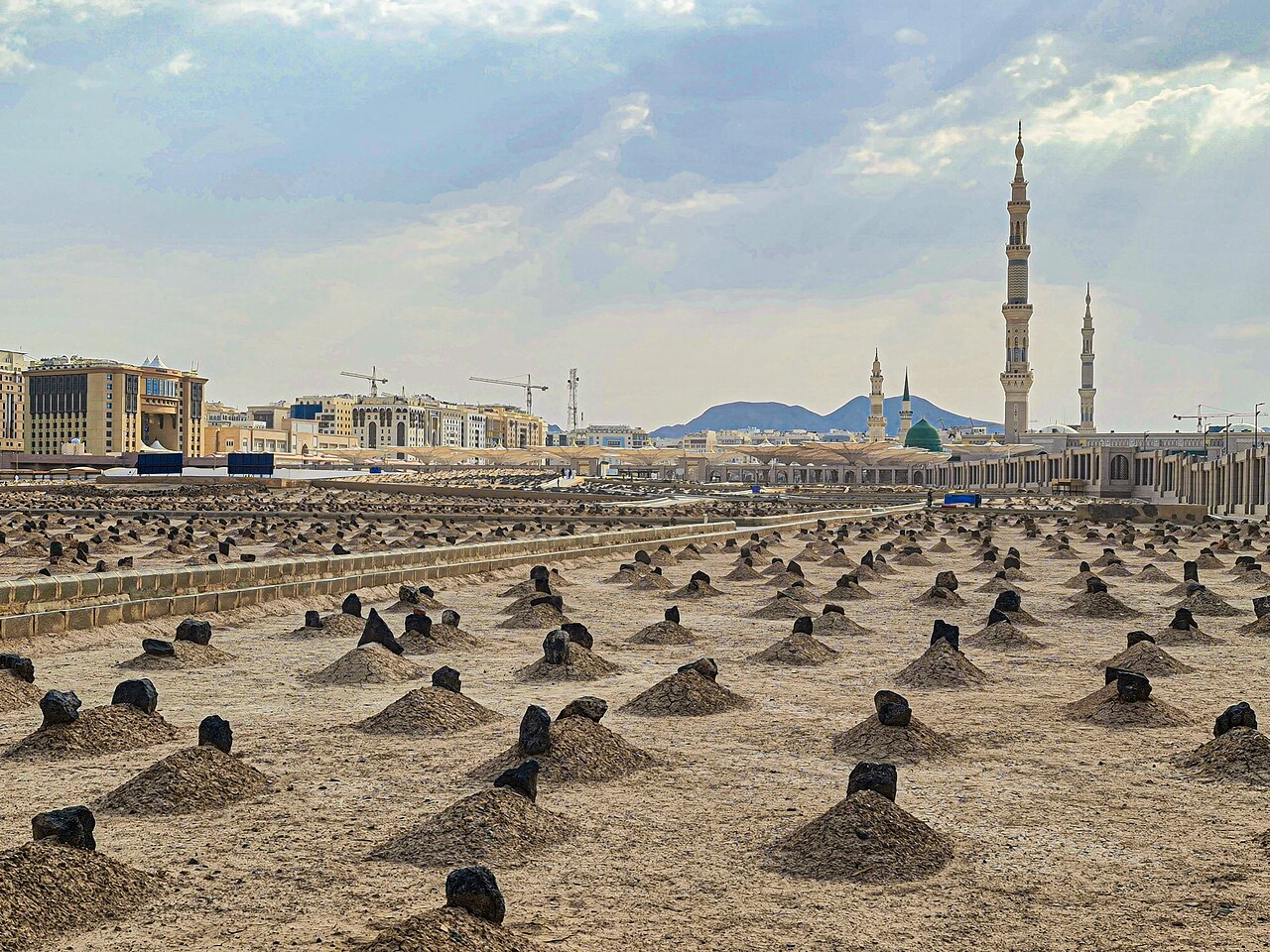
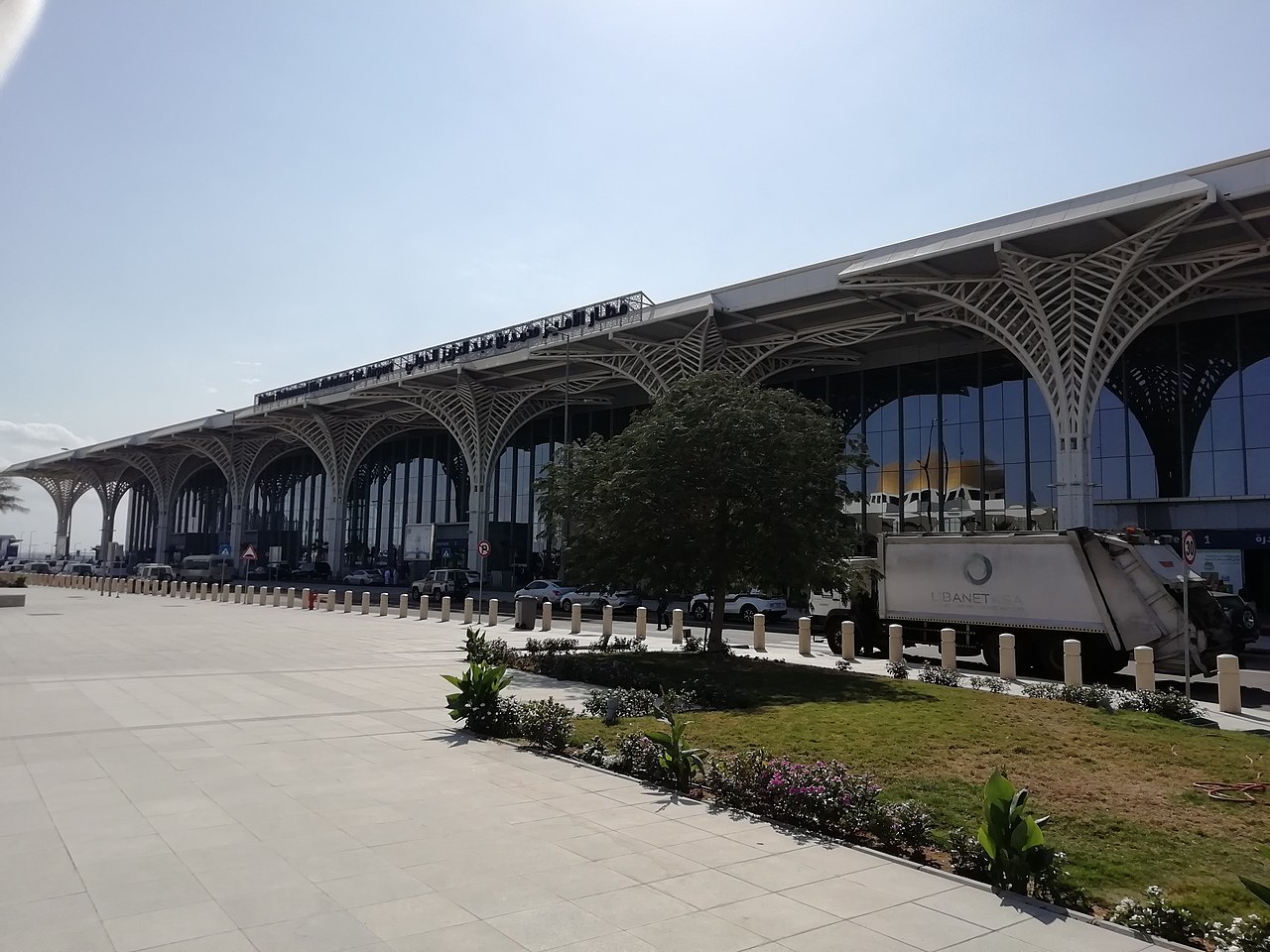
Historical development
Medina's importance in Islamic history dates from the Hijrah, the migration of the Prophet Muhammad and his followers from Mecca to Medina in 622 CE. That event transformed the town into the political and religious base of the early Muslim community and the launching point for the expansion of Islamic governance. For roughly the first century of Islam the city served as the seat of authority under Muhammad and the first four caliphs, including Abu Bakr, Umar and Uthman. The early Muslim community in Medina developed many of its legal, social and administrative institutions there.
Religious significance and major sites
The city contains several sites that are central to Muslim devotion and history. Principal sanctuaries include:
- Quba Mosque — traditionally the first mosque founded by Muhammad after arrival in Medina.
- Masjid al-Qiblatayn — known as the "mosque of the two qiblas" because it marks the change of prayer direction from Jerusalem to Mecca.
- al-Masjid an-Nabawi — the Prophet's Mosque, which contains the tomb of Muhammad and has been rebuilt and expanded over the centuries.
In Islamic scholarship, chapters of the Quran revealed in the Madinan period are commonly called Medinan surahs and are contrasted with Meccan surahs. More generally, the city is associated with many early developments in Muslim ritual, law and communal organization; see references on surahs and their classification for context.
Urban character and restrictions
Medina's core around the Prophet's Mosque has a special religious status. Access to the innermost sacred precinct is restricted; in modern practice, non-Muslims are not permitted to enter the Haram (sacred) area that surrounds the principal mosque. Over time the city has grown beyond its historic walls into a regional metropolis while preserving and accommodating pilgrimage traffic.
Modern role and importance
Today Medina is both a living urban center and a destination for visitors performing religious duties. It hosts services, institutions and facilities linked to pilgrimage, education and the preservation of historical sites. The Saudi state's administration of the region places emphasis on managing the balance between urban development and the protection of religious places.
Notable facts and distinctions
Among notable aspects: Medina was the first established base of the early Muslim polity after the Hijrah; it contains some of the earliest surviving mosque sites; and it plays a role in Islamic devotional geography comparable to, but distinct from, that of Mecca. For further reading and primary references consult specialist works on early Islamic history and the city's archaeology and architecture (Arabic, regional and administrative sources).
Related entries and topics: governance of the Al Madinah Region, biographies of early leaders such as Abu Bakr and Umar, and studies of canonical texts and classifications (surahs, Medinan and Meccan).
Questions and answers
Q: What is Medina?
A: Medina is a city in the Hejaz region of Saudi Arabia and the capital of the Al Madinah Region. It is also known as "the radiant city" or "the city".
Q: What makes Medina significant to Islam?
A: Medina is home to al-Masjid al-Nabawi ("the Prophet's Mosque"), which is the burial place of the Islamic prophet Muhammad, making it the second holiest city in Islam after Mecca. It was also Muhammad's destination after his Hijrah from Mecca, and became the power base for early Muslim community development.
Q: What are some important mosques located in Medina?
A: The three oldest mosques located in Medina are Quba Mosque, al-Masjid an-Nabawi, and Masjid al-Qiblatayn ("the mosque of the two qiblas").
Q: Are non-Muslims allowed to enter certain parts of Medina?
A: Non-Muslims are forbidden from entering the sacred core of Medina or the center of the city.
Q: What type of surahs were revealed to Muhammad while he was in Medina?
A: Muslims believe that chronologically final surahs (chapters) of Quran were revealed to Muhammad while he was in Medina, and they are called Medinan surahs as opposed to earlier Meccan surahs.
Related articles
Author
AlegsaOnline.com Medina (al-Madīnah al-Munawwarah): history, religious importance and landmarks Leandro Alegsa
URL: https://en.alegsaonline.com/art/63439
Sources
- hajinformation.com : "Masjid Quba' – Hajj"
- books.google.com : Historical Value Of The Qur An And The Hadith
- books.google.com : What Everyone Should Know about the Qurʼan
- books.google.com : What everyone needs to know about Islam
- saudiaramcoworld.com : Aramco World
- saudiaramcoworld.com : saudiaramcoworld.com