
Ali ibn Abi Talib: life, leadership and legacy
Ali ibn Abi Talib (c. 600–661 CE) was a central figure in early Islam — cousin and son‑in‑law of Muhammad, fourth caliph in Sunni chronology and the first Imam in Shia doctrine, with a lasting religious and political legacy.
Ali ibn Abi Talib (c. 600–661 CE) is one of the most important figures in early Islamic history. He was a close relative of the Prophet Muhammad — his cousin and son‑in‑law — and a prominent companion. In Sunni lists of the Rashidun caliphs he is counted as the fourth caliph, while in Shia belief he is regarded as the first Imam and rightful successor to Muhammad. His life and career shaped the political and theological divisions that emerged in the first centuries of Islam. For conventional lists of early caliphs see accounts of the caliphs.
Image gallery
10 Images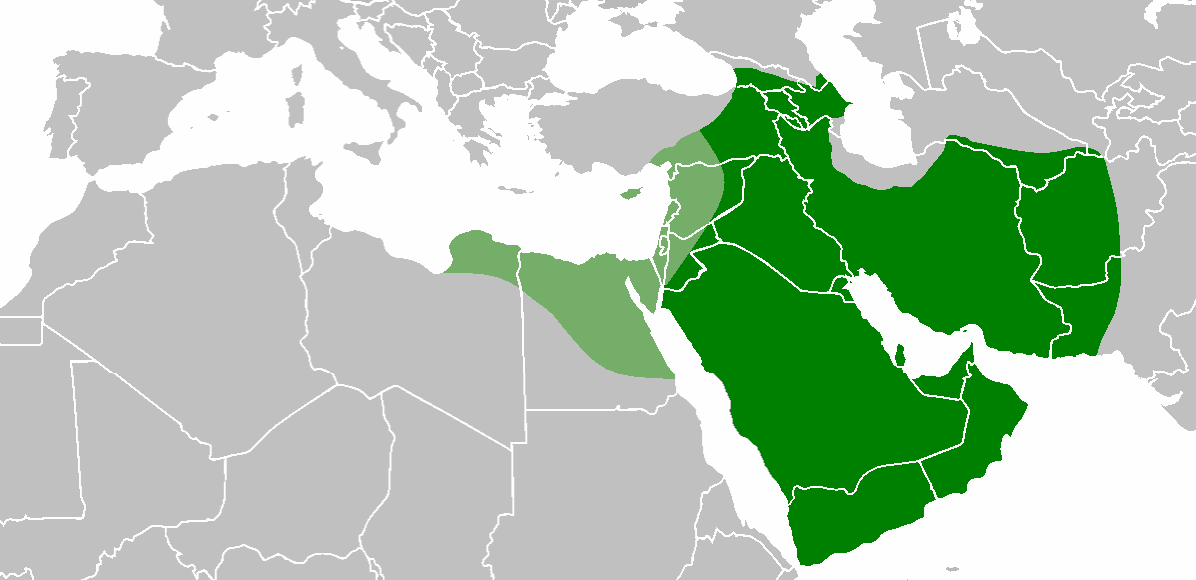


Early life and family
Ali was born in the city of Mecca and is traditionally said to have been raised in the household of Muhammad from childhood. He married Muhammad’s daughter Fatimah and was the father of Hasan and Husayn, who are also central figures in Islamic history. Contemporary and later sources describe him as known for personal piety, courage in battle, and a reputation for learning. For discussions of his early years and formative traditions consult accounts of his birth and youth.
Caliphate and political conflict
Following the assassination of the third caliph, Uthman, Ali accepted the caliphate in 656 CE. His tenure quickly became enmeshed in civil strife. His supporters and opponents clashed in several major conflicts, including the Battle of the Camel and the Battle of Siffin, and his acceptance of arbitration after Siffin alienated some followers and contributed to the rise of the Kharijites. Political fragmentation during his caliphate is often called the First Fitna. Ali’s rule ended with his assassination in 661 CE by a Kharijite; for primary accounts and scholarly discussion of his death see contemporary accounts of his assassination.
Teachings, reputation and sources
Ali is widely remembered for his emphasis on justice, moral integrity, and the ethical demands of leadership. A large body of sermons, letters and sayings has been transmitted under his name; a later collection known as Nahj al‑Balagha contains many texts attributed to him and has been highly influential in Shia thought and in Arabic literature more generally. Historians and theologians draw on a range of early chronicles, hadith collections and later compilations to study his words and actions; for these textual traditions see historical sources and scholarship.
Burial, shrines and later claims
The established and widely accepted tradition holds that Ali was buried in Najaf (in present‑day Iraq) where a major shrine now draws millions of pilgrims and is a center of Shia religious life. Over the centuries various alternative legends and local claims have appeared. One later narrative, recorded in some regional accounts, asserted an entirely different secret burial and a tomb discovered in the medieval period. Such claims are treated cautiously by historians and are generally regarded as later folklore or contested traditions rather than as part of the mainstream historical record.
Significance and distinctions
Ali’s significance is both political and spiritual. He is a unifying exemplar of courage and asceticism for many Muslims, and simultaneously a central doctrinal figure for Shia Islam, which regards his descendants as the divinely appointed line of Imams. Sunni traditions honor his contributions as a companion and caliph while placing him within the larger sequence of early community leadership. Key facts and turning points from his life include:
- His role as a close companion and relative of the Prophet and as husband of Fatimah.
- His caliphate (656–661), marked by civil war, arbitration and the emergence of sectarian splits.
- Reputation for religious learning and justice; many sermons and letters are attributed to him.
- The major shrine in Najaf and the central place he holds in Shia devotion and identity.
Ali remains a figure of enduring historical interest and religious devotion across diverse Muslim communities. Scholarship continues to examine early sources, the transmission of sayings and sermons attributed to him, and the ways his memory has been shaped in different regions and traditions.
Related articles
Author
AlegsaOnline.com Ali ibn Abi Talib: life, leadership and legacy Leandro Alegsa
URL: https://en.alegsaonline.com/art/2583
Sources
- shaheedfoundation.org : "Shaheed Foundation"