
Hejaz — western Saudi region, history, cities and cultural significance
Hejaz is the Red Sea coastal region of western Saudi Arabia containing Mecca, Medina and Jeddah; known for pilgrimage, historical trade routes, distinct Hejazi culture and coastal and mountain landscapes.
Overview
The Hejaz is the western strip of the Arabian Peninsula facing the Red Sea. Traditionally the name denotes a cultural and historical region rather than a single modern administrative unit. It stretches roughly from the highlands around Taif in the south to the approaches of the modern border with Jordan in the north, and it includes the coastal plain of the Tihamah, an escarpment of the Hejaz Mountains and inland plateaus. The region has long linked the Arabian interior with maritime trade routes across the Red Sea and beyond, and it remains central to the religious life of the Muslim world because it contains Islam’s two holiest cities.
Image gallery
10 Images




Geography and climate
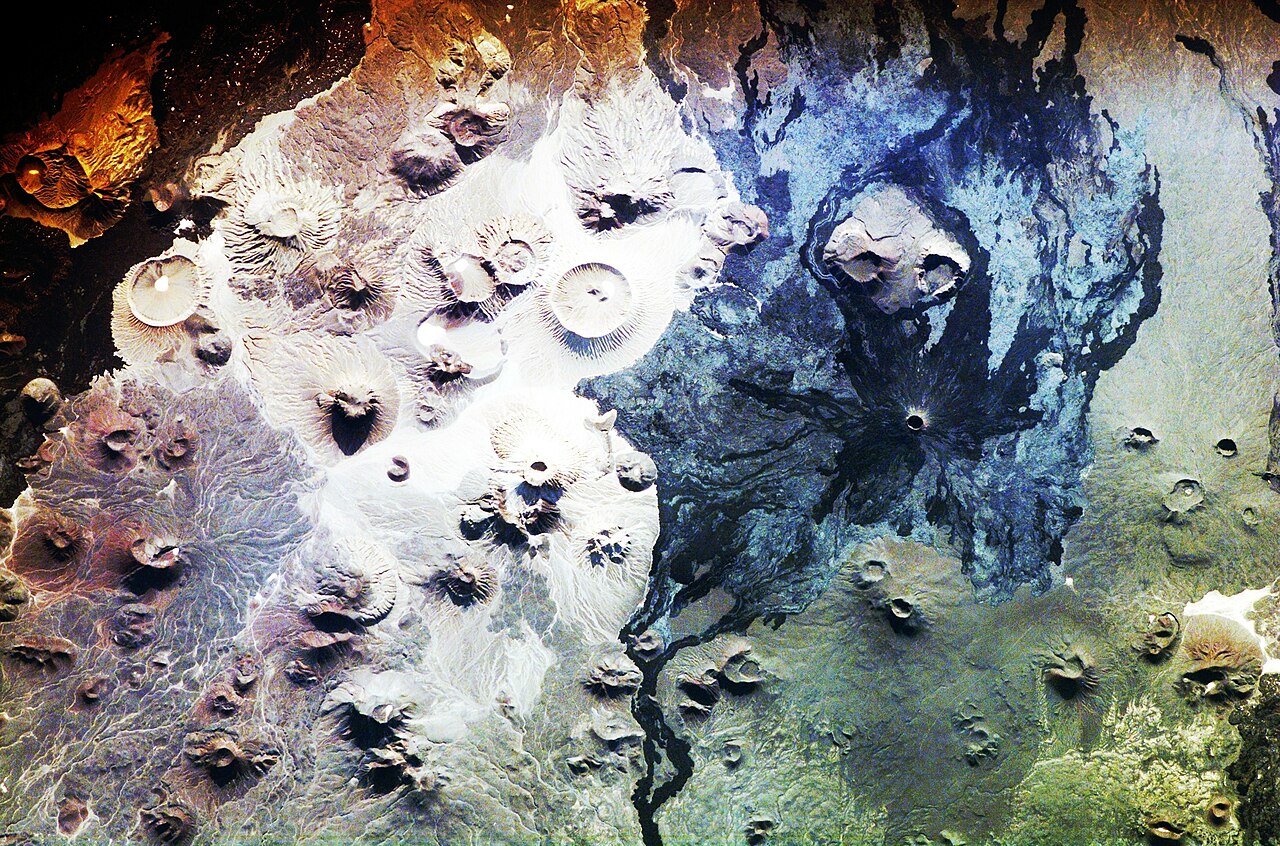
Hejaz comprises varied landscapes: a narrow, hot coastal plain along the Red Sea; steep mountain slopes that rise behind the coast; and higher plateaus where temperatures are more temperate. Coastal areas experience humidity and high temperatures, especially in summer, while higher towns such as Taif enjoy cooler conditions and seasonal rainfall that support gardens and small-scale agriculture. The region’s position on maritime routes has shaped its ports, settlement patterns and cultural exchange.
Major cities
- Jeddah — the region’s largest city and principal Red Sea port. Historically a gateway for pilgrims and traders, it continues to serve as a commercial and cultural hub. General information: Jeddah.
- Mecca (Makkah) — Islam’s holiest city, the site of the Grand Mosque and the Kaaba. Millions of Muslims visit Mecca for the annual Hajj and for pilgrimage (Umrah) throughout the year. See also: Mecca.
- Medina (Madinah) — regarded as the second-holiest city in Islam and the early political and religious centre of the Muslim community; it contains the Prophet’s Mosque, referenced here: Mosque of the Prophet, and further information: Medina.
- Taif — a highland city noted for milder summers and for horticulture, including fragrant roses and fruit cultivation; it has long been used as a summer retreat by residents of lower elevations.
History and development
The Hejaz has been a crossroads for millennia. In pre-Islamic times its towns and coasts were linked to Red Sea trade and caravan routes. With the emergence of Islam in the 7th century CE, Mecca and Medina acquired central religious and political roles and became focal points for pilgrims and scholars. Over subsequent centuries the region’s ports and pilgrimage routes were administered by varying authorities, including local rulers and, for several centuries, imperial administrations that managed long-distance trade and the security of pilgrims. In the early 20th century the modern political map changed as local dynasties and emerging states reshaped control, and the Hejaz eventually became part of the modern state of Saudi Arabia.
Culture, language and society
Hejaz developed a distinctive urban culture and dialect known as Hejazi Arabic. Port cities acquired cosmopolitan social patterns as merchants, pilgrims and residents from Africa, South Asia and the broader Islamic world brought diverse languages, cuisines and artistic influences. Religious learning, Sufi traditions, commercial exchange and craft production all contributed to an urban culture that differs in many ways from the nomadic and tribal societies of the interior plateau.
Religion and pilgrimage
Pilgrimage shapes the region’s rhythms. Mecca hosts the Kaaba within the Grand Mosque, the focus of the annual Hajj, and both Mecca and Medina receive visitors undertaking pilgrimage for spiritual reasons year-round. The flow of pilgrims has long driven local economies, stimulated infrastructure development and created enduring cultural links with Muslim communities worldwide. The facilities, logistics and seasonal patterns of pilgrimage are major considerations for local planning and services.
Economy and infrastructure
The modern Hejaz economy mixes pilgrimage-related services, port activity and urban commerce. Jeddah serves as a principal maritime gateway for goods entering the western Arabian Peninsula, and modern transport connections—sea routes, highways and airports—link the region to domestic and international destinations. Agricultural niches in the highlands contribute fruits, roses and other crops, while commerce and construction grow around religious and tourist needs.
Architecture and heritage
The urban fabric of Hejazi coastal cities shows layers of history: traditional stone and coral houses in older quarters, historic souks, mosques and shrines, and newer developments built to accommodate growing populations and visitors. Historic neighborhoods, some restored and others under pressure from redevelopment, reflect the region’s maritime and pilgrim-linked past.
Administration and contemporary context
Today the Hejaz lies within the administrative provinces of modern Saudi Arabia. Its social and economic profile is often contrasted with the central plateau (Nejd) to the east: different climates, patterns of urbanization and historical trajectories have produced distinct local identities. The Red Sea coast continues to connect the Hejaz with regions across the sea and with wider global trade networks; for a regional reference, see the Red Sea and neighbouring territories toward Jordan.
The Hejaz remains prominent for its religious centrality, layered historical heritage and active role in contemporary commerce and tourism. Its cities continue to balance conservation of historic quarters with the demands of modern travel, pilgrimage and economic development, and they retain cultural traditions that reflect centuries of exchange across the Red Sea and the wider Muslim world.
Related articles
Author
AlegsaOnline.com Hejaz — western Saudi region, history, cities and cultural significance Leandro Alegsa
URL: https://en.alegsaonline.com/art/43307