
Qibla
Qibla is the direction Muslims face in prayer, traditionally toward the Kaaba in Mecca; it has religious, architectural and astronomical importance and has been determined by varied historical and modern methods.
Overview
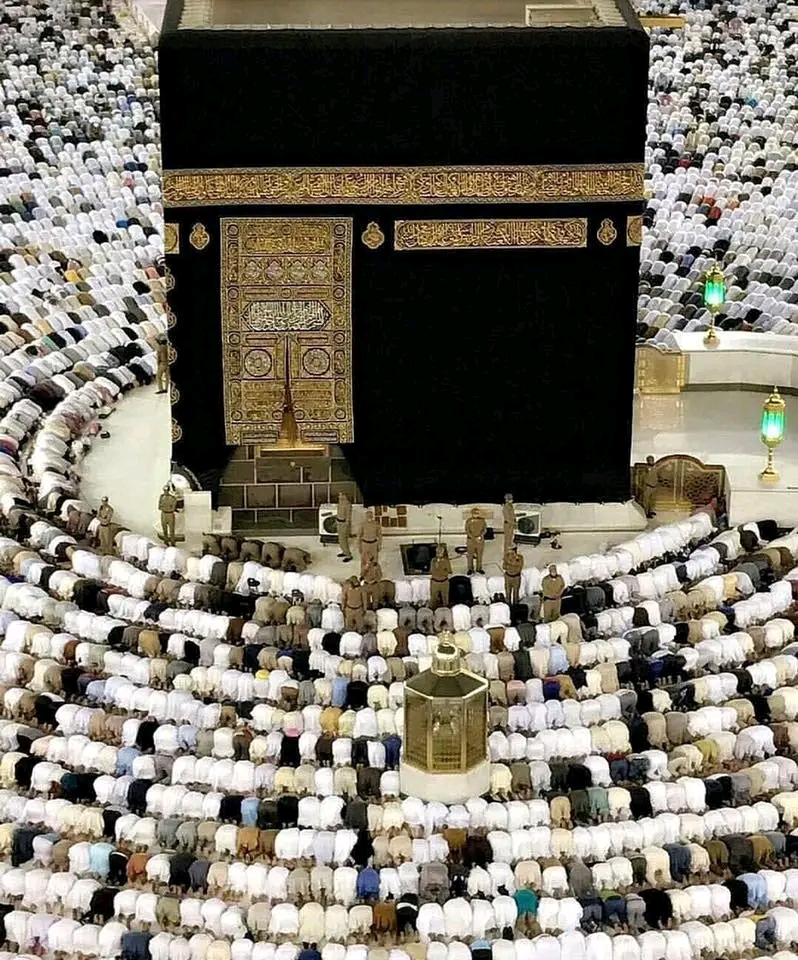
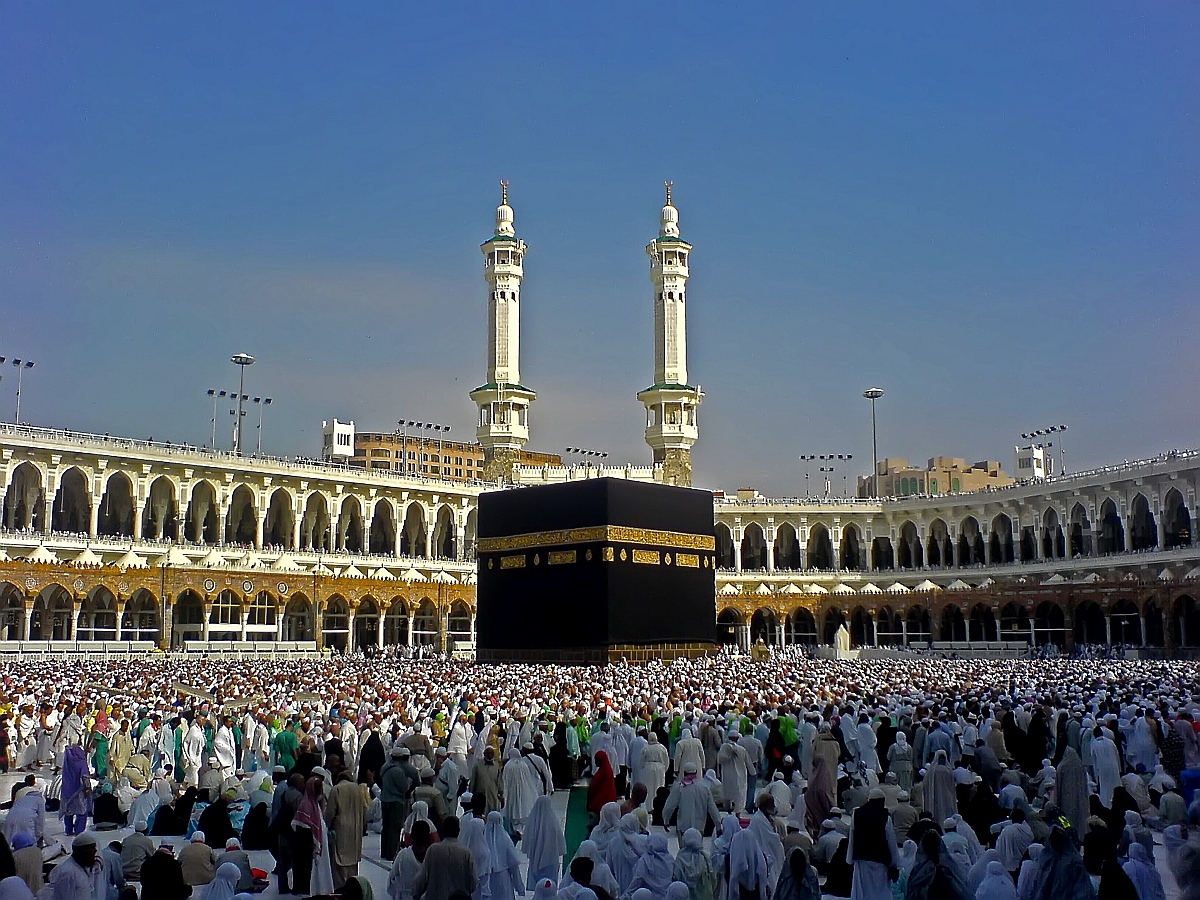
The term Qibla (Arabic: قِبْلَة) denotes the compass direction that Muslims face during ritual prayer (Salah). For most Muslims the qibla points toward the Kaaba in the Sacred Mosque (Masjid al-Haram) in Mecca. The practice of orienting toward a single focal point expresses a communal unity of worship and is one of the most visible spatial rules in Islamic religious life.
Image gallery
10 Images




Characteristics and architectural markers
In mosque architecture the qibla is commonly marked by a recessed niche in the wall called a mihrab, and by the orientation of the prayer hall so that rows of worshippers line up facing the same direction. Many mosques also include inscriptions or decorative elements that emphasize the qibla wall. The qibla is a directional datum rather than a distance or a fixed line: what matters is the bearing toward the Kaaba.
History and development
Early Muslim sources indicate that the communal qibla was not always oriented toward Mecca. Historical and religious texts describe a change of qibla in the early Muslim community from Jerusalem to Mecca. Over the centuries the determination of the qibla became a technical task for scholars, who combined religious guidance with astronomy, geometry and local surveying methods to establish the correct bearing for prayer.
How the qibla is determined
Methods have ranged from simple local approximations to precise astronomical calculations. Common approaches include:
- Traditional observation using the sun, stars or shadow casting to estimate cardinal points.
- Astronomical and geometric computations that use latitude and longitude to find the great-circle direction.
- Practical tools such as compasses, qibla charts, astrolabes and, in modern times, GPS and smartphone apps that calculate the bearing automatically.
Uses and religious significance
The qibla governs the physical orientation for the five daily prayers and many other acts of devotion. It serves as a unifying symbol across diverse Muslim communities. Rules allow some flexibility: when exact orientation is impossible (for example during travel, illness, or uncertainty), juristic principles permit facing the most reasonable or approximate direction.
Controversies and notable facts
Scholarly debate has occasionally arisen over the earliest qibla orientations and the locations of early Muslim sites. A small number of researchers have proposed alternative reconstructions of early mosque orientations and suggested different focal points; these views remain minority hypotheses and are treated cautiously by mainstream historians and archaeologists. Today the qibla continues to be both a practical matter—determined by instruments and calculations—and a potent symbol reflected in mosque layout, urban planning, and personal devotion. Mosques around the world vary in the precision of their orientation, but each aims to align worshippers toward the unified direction of the Kaaba.
For further background on linguistic, architectural and liturgical aspects of the qibla, see resources linked here: related mosque studies.
Related articles
Author
AlegsaOnline.com Qibla Leandro Alegsa
URL: https://en.alegsaonline.com/art/80326