
McDonnell Douglas F-15E Strike Eagle
A two-seat, twin-engine multirole fighter derived from the F-15 Eagle, optimized for long-range strike missions with enhanced avionics, fuel capacity, and payload for the U.S. Air Force and several export customers.
Overview
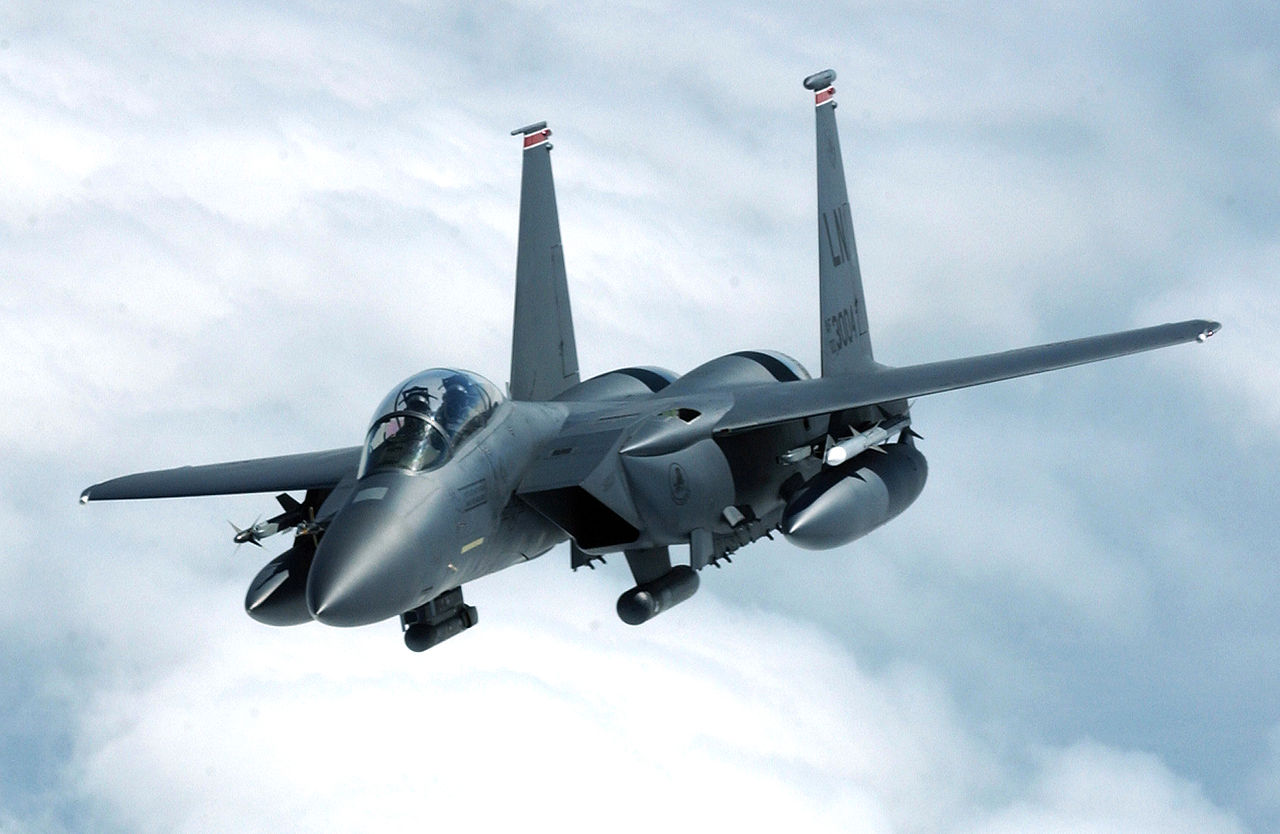
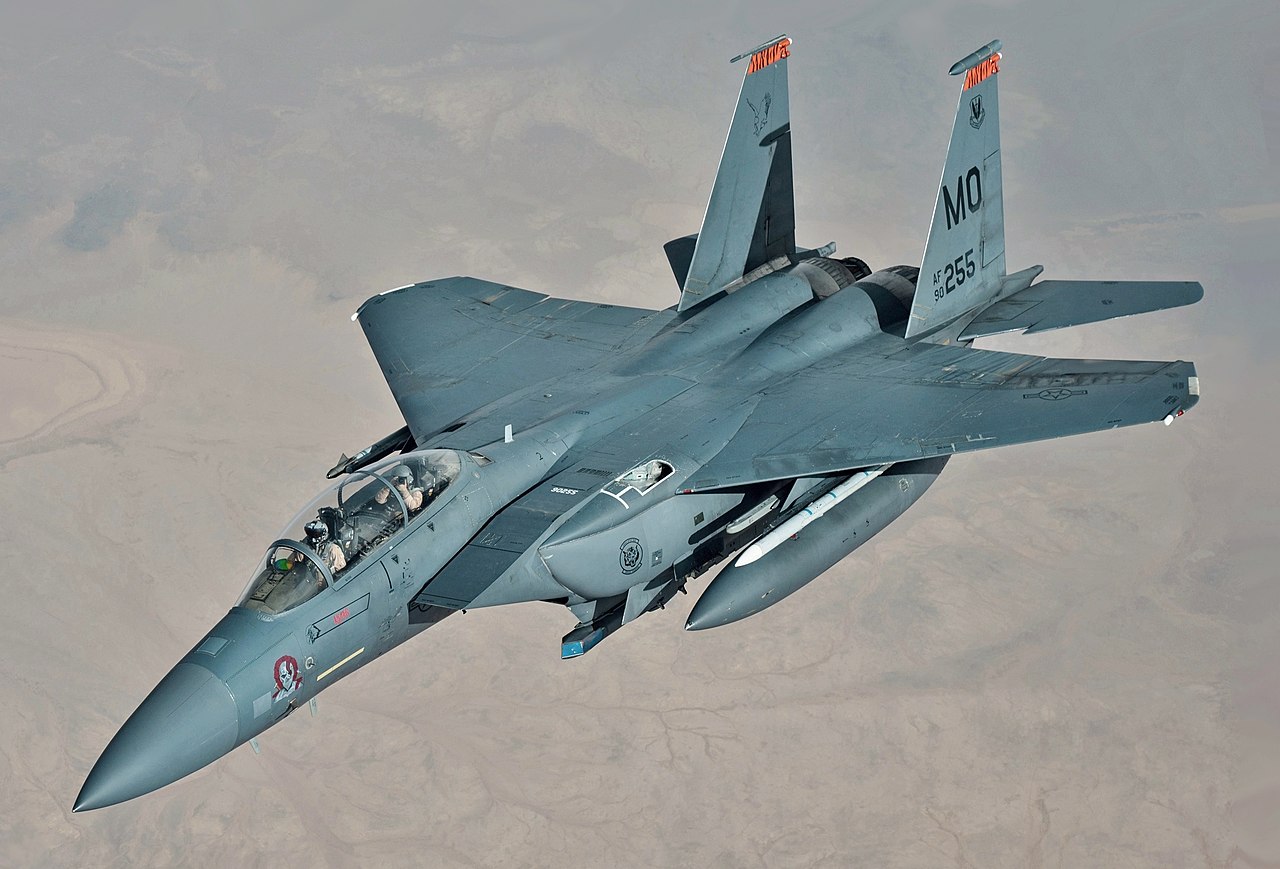
The McDonnell Douglas F-15E Strike Eagle is a multirole strike fighter developed from the original F-15 Eagle design to perform precision air-to-ground missions while retaining strong air-to-air capability. Introduced as a ground-attack adaptation of a proven air-superiority airframe, the Strike Eagle adds a second cockpit station for a weapons systems officer and structural and avionics changes to extend range, payload, and survivability.
Image gallery
10 Images




Design and key characteristics
Built as a twin-engine fighter with a reinforced airframe, the F-15E carries additional internal fuel and optional conformal fuel tanks fitted along the fuselage to increase range without greatly increasing drag. Its two-seat arrangement places the pilot in the front and a weapons systems officer in the rear, allowing complex sensor and weapons management. Avionics suites include multimode radar, targeting and navigation pods, and datalinks that enable precision delivery of guided munitions as well as traditional unguided stores.
- Airframe: strengthened Eagle fuselage and reinforced landing gear.
- Fuel and range: increased internal fuel and conformal tanks for extended missions.
- Avionics: multimode radar and advanced targeting pods for night and all-weather strikes.
- Weapons: internal cannon plus multiple external hardpoints for air-to-air and air-to-ground ordnance.
Operational history
Conceived in the 1980s, the Strike Eagle first entered service with the U.S. Air Force as a dedicated strike-capable derivative of the F-15 family. It has been employed in major conflicts for deep interdiction, close air support, and suppression of enemy air defenses using a mix of precision-guided munitions and stand-off weapons. Over time the platform has received iterative upgrades to radar, cockpit displays, and mission systems to keep pace with evolving threats and precision weapons technology.
Operators and exports
The F-15E is primarily a U.S. Air Force asset, but export versions and similar strike-capable Eagles have been acquired by several nations. Notable foreign operators include Israel, Saudi Arabia, Singapore, and South Korea. The Strike Eagle is part of the broader F-15 family lineage; for context on the original air-superiority design see the F-15 Eagle, and for its role as an attack platform see general material on attack aircraft.
Roles, capabilities, and distinctions
Unlike single-seat air-superiority versions, the F-15E emphasizes strike mission flexibility: long-range interdiction, day/night precision strikes, armed reconnaissance, and the ability to defend itself in contested airspace. Its combination of high speed, heavy payload capacity and modern sensors gives it a distinctive niche — able to carry large loads of precision weapons while still prosecuting air-to-air threats. Continued modernization programs have focused on radar improvements, cockpit upgrades, and integration of newer targeting pods and weapons to extend operational relevance.
Notable facts
- The Strike Eagle shares many design elements with the original Eagle but was purpose-built to expand mission types beyond pure air superiority.
- Its two-crew layout improves management of complex sensor suites and weapon employment on long-range missions.
- Upgrades over time have kept the type competitive as precision-guided munitions and electronic systems advanced.
Related articles
Author
AlegsaOnline.com McDonnell Douglas F-15E Strike Eagle Leandro Alegsa
URL: https://en.alegsaonline.com/art/63232