
Attack aircraft
Military aircraft designed to engage enemy ground or naval forces at close range, using specialized weapons and tactics for close air support, interdiction, and battlefield survivability.
Overview
Attack aircraft are fixed‑wing airplanes or rotary‑wing platforms built to strike enemy ground or naval forces at close range. Their principal mission is to suppress, damage or destroy hostile troops, vehicles and ships—particularly moving or tactical targets—while operating near the battlefield. They are distinct from strategic bombers by their focus on battlefield effects rather than long‑range area bombing.
Image gallery
10 Images


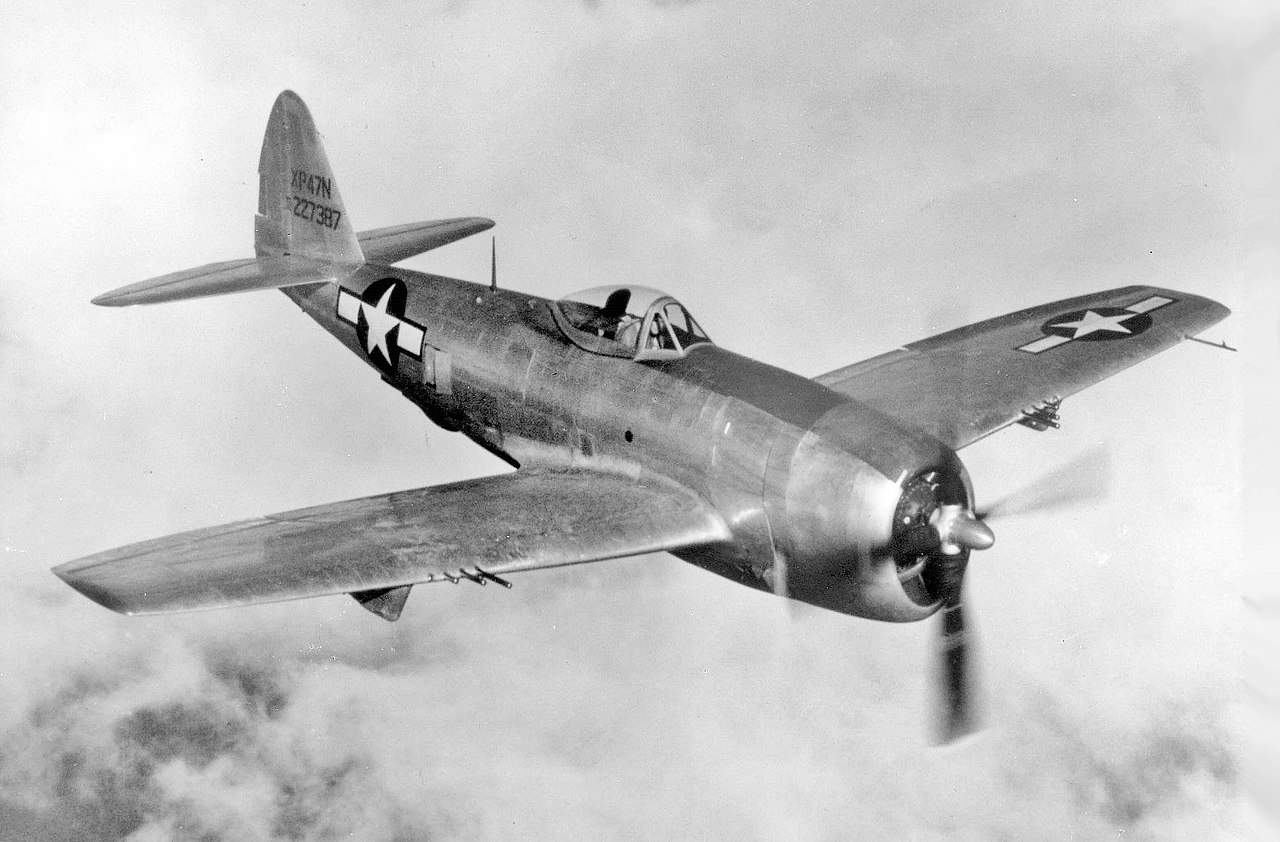


Characteristics and equipment
Attack aircraft are optimized for survivability and precision in a hostile environment. Typical features include armored protection for the crew, redundant systems, and weapon suites tailored for direct engagement of surface targets. Common armament and systems include:
- Automatic cannons and heavy machine guns for strafing armored vehicles such as tanks.
- Unguided rockets, guided air‑to‑surface missiles, and precision guided munitions for point targets.
- Small bombs and cluster munitions for concentrated strikes against formations.
- Targeting pods, sensors and defensive countermeasures to operate at low altitude under fire.
History and development
Attack aviation emerged in the early 20th century and expanded rapidly during and after World War II. In that conflict, purpose‑built types and converted fighters carried out close support and anti‑armor missions. Over time many attack roles absorbed the function of specialized dive bombers (dive bombers) as aircraft with improved accuracy and guided weapons replaced steep‑dive tactics.
Roles, tactics and examples
The primary roles are close air support (CAS), battlefield interdiction and anti‑ship strikes. Attack aircraft operate at low altitude to identify and engage fleeting targets, often working closely with ground units and forward air controllers. Examples of the attack class include dedicated jets and turboprops as well as helicopters; well‑known models and types reflect different design choices for speed, armor and loiter time. Attack helicopters (helicopters) perform many of the same missions in terrain where rotary‑wing maneuverability is advantageous. Naval attack variants focus on striking warships and littoral targets.
Distinctions and notable facts
Attack aircraft are often confused with multirole fighters or strike aircraft, but they are usually engineered for low‑level persistence and ruggedness rather than air superiority. Their tactics emphasize coordination with ground forces, precision engagement of tactical targets, and protection against ground fire and short‑range air defenses. The term also highlights the mission rather than a single airframe type: many fighters and helicopters can be employed in an attack role depending on doctrine and armament (enemy ground or naval forces).
Related articles
Author
AlegsaOnline.com Attack aircraft Leandro Alegsa
URL: https://en.alegsaonline.com/art/7089