
McDonnell Douglas F-15 Eagle — American air superiority fighter
Twin-engine, all-weather air superiority fighter developed by McDonnell Douglas and later Boeing; praised for speed, maneuverability, long service life and a strong air-to-air combat record.
Overview
The McDonnell Douglas F-15 Eagle is a twin-engine, all-weather air superiority fighter designed to gain and maintain air dominance. Introduced in the 1970s, the F-15 combined high thrust, advanced avionics for its era and a weapons suite optimized for air-to-air combat. The type was produced by McDonnell Douglas (later part of Boeing) and has been a front-line fighter for the United States Air Force and several allied air forces for decades.
Image gallery
10 Images


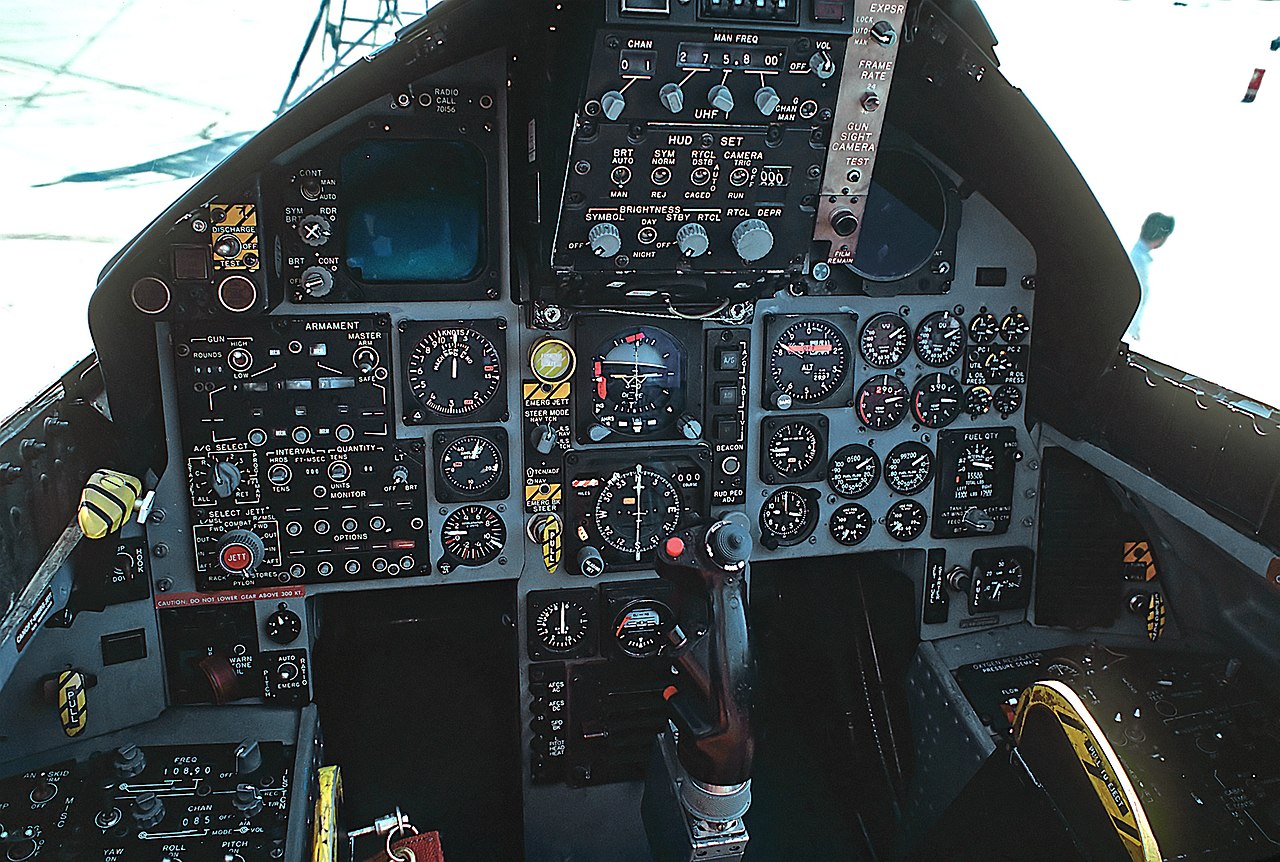

Development
Development of the F-15 began in response to lessons learned from previous conflicts that emphasized the need for a dedicated air superiority fighter with superior acceleration, climb rate and sensors. Early prototypes led to production models that refined aerodynamics, cockpit layout and avionics. Over time the platform was upgraded through incremental modernization programs rather than wholesale replacement.
Design and characteristics
The Eagle emphasizes energy retention, high thrust-to-weight ratio and large wing area to sustain maneuvering performance while carrying a substantial weapons load. Its twin-engine arrangement provides redundancy and high available power. The airframe accommodates a powerful radar and long-range missiles, while a nose-mounted, 20 mm rotary cannon provides a close-in weapon.
Avionics and sensors
At introduction the F-15 carried a long-range radar and fire-control systems that allowed engagements beyond visual range. Subsequent upgrades improved radar processing, electronic countermeasures and datalink capabilities to better integrate with airborne and ground-based assets. These improvements have prolonged the aircraft's relevance in modern air combat environments.
Propulsion and performance
The twin engines give the F-15 rapid acceleration, high top speed and strong climb performance. Designers prioritized a balance of speed and maneuverability to allow pilots to dictate engagement terms. While exact performance figures vary by variant, the aircraft is noted for its ability to rapidly intercept and engage hostile aircraft.
Armament
The typical weapons fit includes both beyond-visual-range and short-range air-to-air missiles, supplemented by an internal M61 20 mm cannon for close engagements. The onboard cannon, commonly referred to as the M61 Vulcan, complements missile armament by providing a reliable short-range option when required.
Operational history
The F-15 has seen widespread operational use. It has been used extensively by the United States and exported to a number of U.S. allies. Notable operators include Israel, Japan, Saudi Arabia and South Korea. The type has accrued a reputation for survivability and an excellent air-to-air combat record in conflicts where it has been deployed. Many air forces have favored upgrading existing airframes with modern avionics rather than retiring the type early.
Variants and upgrades
- Early single- and two-seat models established the baseline air superiority role and tactics.
- Later derivatives incorporated multi-role capability, expanded avionics suites and enhanced weapons integration to support a broader range of missions.
- Continued modernization programs have introduced improved radar, cockpit displays and structural refurbishment to extend service life.
Operators and legacy
More than a thousand F-15s have been produced and the design has influenced subsequent fighter development. Operators value the platform for its performance, upgrade potential and proven operational record. As air-defense threats and mission requirements evolve, the F-15 has remained in service through incremental improvements and selective replacement in some air forces.
Further information
Contemporary discussions of the F-15 cover modernization efforts, comparative performance with newer fighters and the aircraft's continuing role in allied air forces. For official and historical material consult primary sources and service publications for the most current, authoritative information.
Related articles
Author
AlegsaOnline.com McDonnell Douglas F-15 Eagle — American air superiority fighter Leandro Alegsa
URL: https://en.alegsaonline.com/art/63231