
Matilda of Boulogne (1105–1152), Queen of England and Countess of Boulogne
Matilda of Boulogne was queen consort to King Stephen and Countess of Boulogne. A politically active consort during the civil war known as The Anarchy, she supported her husband's reign and founded religious houses.
Overview
Matilda of Boulogne (c.1105–1152) was a medieval noblewoman who became queen consort of England through her marriage to Stephen of England. She inherited the county of Boulogne in northern France and used her position and resources to defend her husband's crown during a prolonged civil conflict.
Image gallery
9 Images





Family and early life
Born into the ruling house of Boulogne, Matilda was the daughter of Eustace III, Count of Boulogne, and Mary of Scotland. Through her mother she was a granddaughter of Malcolm III of Scotland and Saint Margaret of Scotland, giving her ties to important Anglo-Scottish dynastic lines. In 1125 she contracted a politically significant marriage to Stephen, strengthening alliances across the English Channel.
Queen and political role
When Stephen claimed the English throne in the 1130s, Matilda became an active and visible queen. Contemporary and later accounts underline her energy in raising funds, mustering loyal followers and conducting diplomacy. During periods when Stephen was absent or imprisoned, she acted as his representative and rallied support for his cause in England and on the continent.
Later life and death
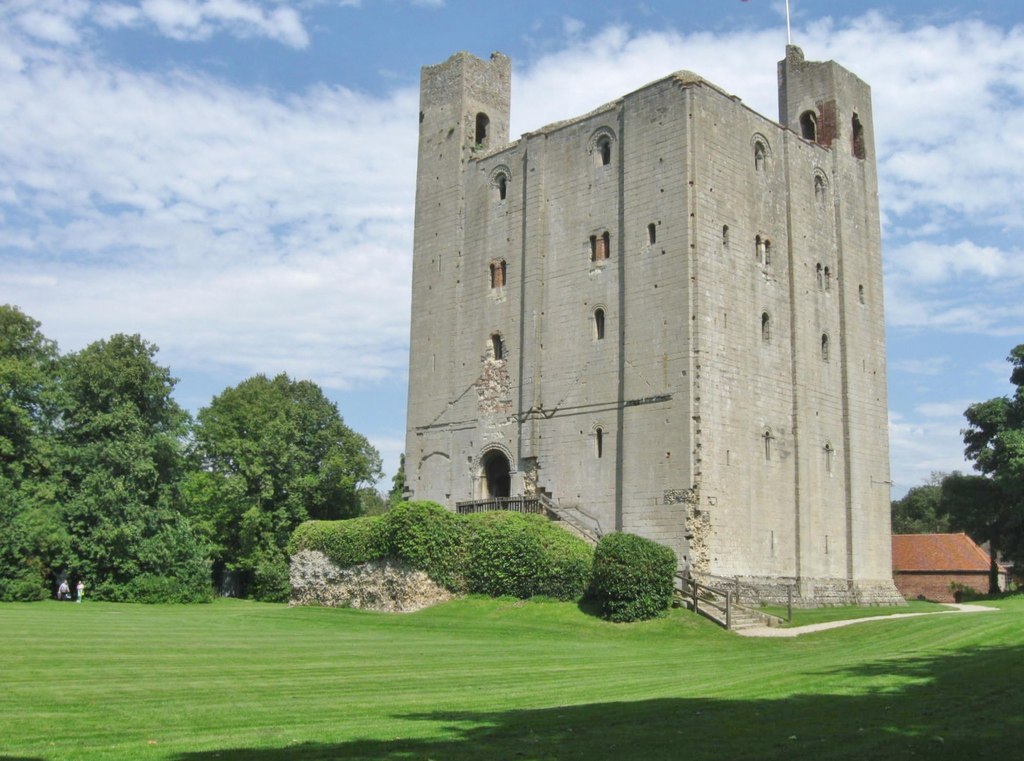
Matilda continued to exercise authority as countess and queen until her death at Hedingham Castle in 1152. She and Stephen were patrons of religious foundations; she was buried at Faversham Abbey, a monastery associated with the royal household that served as a dynastic burial place.
Children and succession
Matilda and Stephen had several children, including sons who would have been heirs. The premature deaths of some of their children affected the question of succession and the settlement that followed the civil strife of the period. Her involvement in court politics and family alliances shaped the options available to the English crown in the mid‑12th century.
Notable facts and legacy
- She combined the roles of ruling countess and active queen consort, maintaining continental possessions while engaged in English politics.
- Her Scottish royal ancestry connected Anglo‑Norman and Scottish lines, adding dynastic weight to her marriage.
- Matilda is remembered both for political leadership during the civil war often called The Anarchy and for her religious patronage, including the foundation and endowment of monasteries.
Related articles
Author
AlegsaOnline.com Matilda of Boulogne (1105–1152), Queen of England and Countess of Boulogne Leandro Alegsa
URL: https://en.alegsaonline.com/art/62830