
Matilda of Flanders (c. 1031–1083) — Duchess of Normandy and Queen of England
Medieval noblewoman, wife of William the Conqueror; a political partner, regent in Normandy, founder of religious houses at Caen, and mother of heirs including Robert Curthose, William II and Henry I.
Overview
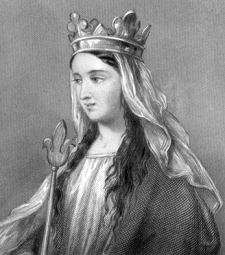
Matilda of Flanders (c. 1031 – 2 November 1083) was a leading noblewoman of the eleventh century. As the daughter of Baldwin V of Flanders and Adela of France she married William, later known as William the Conqueror, and became a central figure in the court of the Normandy dukes and the newly established royal household in England. Contemporaries remembered her for piety, management skills and dynastic importance.
Image gallery
5 Images


Origins and marriage
Born into the powerful Flemish dynasty, Matilda was allied by birth to several European ruling houses. In the early 1050s she married William of Normandy in a union that strengthened cross-Channel ties. The match combined political calculation with the consolidation of territorial influence, and it produced a succession of children who would shape Anglo-Norman politics.
Role as Duchess and Queen
As Duchess of Normandy and later Queen of England after the Norman Conquest of 1066, Matilda played both ceremonial and practical roles. She appears in records acting on behalf of her husband, supervising estates and, on occasion, serving as regent in Normandy while William attended to affairs in England. Her household helped integrate Norman and Anglo-Saxon elites following the conquest.
Family and succession
Matilda was the mother of several children who became prominent in the generations that followed. Among her best-known sons were:
- Robert Curthose, Duke of Normandy
- William II (William Rufus), King of England
- Henry I, later King of England
The survival and marriage alliances of her children were central to the dynasty's consolidation across England and Normandy.
Patronage, image and legacy
Matilda is remembered for founding and endowing religious houses, most notably a convent in Caen, where she was later buried. She fostered monastic reform and the patronage of churches, leaving a tangible architectural and charitable legacy. Medieval art and later historians have debated her depiction—some suggest she is represented in works such as the Bayeux Tapestry—while surviving documents emphasize her administrative competence and pious reputation.
Notable facts
Although not an autonomous ruler in the modern sense, Matilda exercised significant influence as consort and regent. Her life illustrates the political importance of noble marriage, female patronage of religious life, and the role of consorts in governing medieval realms. Her burial at the Caen convent she founded closed a career that blended dynastic duty with cultural and spiritual patronage.
Related articles
Author
AlegsaOnline.com Matilda of Flanders (c. 1031–1083) — Duchess of Normandy and Queen of England Leandro Alegsa
URL: https://en.alegsaonline.com/art/62831