
Saint Margaret of Scotland
Anglo-Saxon princess and queen consort (c.1045–1093), noted for piety, church reform, charity, and as mother of Scottish kings; canonized and influential in Scotland's ecclesiastical life.
Overview
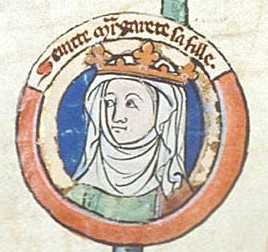
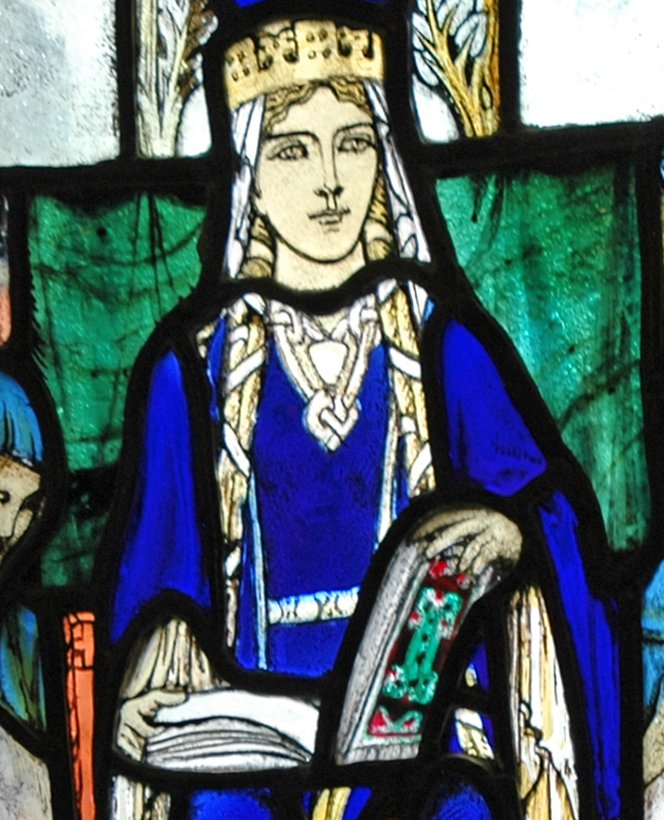
Saint Margaret of Scotland (c. 1045–16 November 1093) was an Anglo-Saxon princess who became queen consort of Scotland. She is remembered for her deep personal piety, charitable works, and influence on the Scottish church and court. Traditional biographies describe her as a model of Christian devotion who promoted religious observance, education, and care for the poor.
Image gallery
10 Images



Early life and marriage
Margaret was the daughter of Edward the Exile, a member of the Anglo-Saxon royal line descended from King Edmund Ironside. Contemporary and later sources typically place her birth around 1045, probably while her family lived in exile on the Continent, commonly identified as Hungary. After the Norman Conquest and a period in England with her brother Edgar Ætheling, she married King Malcolm III of Scotland around 1070. The union linked the displaced Anglo-Saxon royal house with the ruling dynasty of Scotland.
Role, reforms and character
Margaret is associated with a range of reforms and personal practices that aimed to bring Scotland closer to contemporary Latin Christian norms. Medieval accounts credit her with encouraging daily prayer, fasting at appropriate seasons, confession, and almsgiving. She supported the foundation and enrichment of churches and religious communities, and is said to have advised the king on ecclesiastical appointments and liturgical practices. Many of these details come from hagiography and court chronicles, so modern historians treat specifics with caution while acknowledging her clear influence.
Children and dynastic importance
Margaret and Malcolm raised a large family whose members shaped Scottish and English affairs for decades. Their children included:
- David I — later King of Scots, noted for his reforms and monastic patronage;
- Alexander I — who succeeded to the throne after Malcolm's sons;
- Edgar — another son who became king in turn;
- and daughters who made prominent marriages that tied Scotland more closely to Anglo-Norman England.
Death, canonization and legacy
King Malcolm was killed in battle in November 1093, and Margaret died a few days later on 16 November 1093. She was venerated soon after her death and was formally canonized in the thirteenth century. Her relics and cult were centered at Dunfermline and she became one of Scotland's best-known medieval saints. Her reputation as a reforming, charitable queen influenced perceptions of monarchy and piety in Scotland and beyond; she is commemorated in both Roman Catholic and some Anglican calendars.
Notable facts and distinctions
Accounts of Margaret combine historical record and devotional biography. While precise details vary, historians agree she played an important role as a cultural and religious bridge between Anglo-Saxon, Norman and Scottish worlds. Her life illustrates how royal women could shape religious life, dynastic succession, and international connections in medieval Britain. For further reading on Malcolm, her sons and her family background see entries on Malcolm III, David I, Alexander I, Edward the Exile and the likely Hungarian context of her birth (Hungary).
Related articles
Author
AlegsaOnline.com Saint Margaret of Scotland Leandro Alegsa
URL: https://en.alegsaonline.com/art/85872