
Stephen of England (King Stephen, c.1092/1096–1154)
King of England from 1135 to 1154 whose reign — marked by civil war called The Anarchy — ended with an arrangement that made Henry of Anjou his heir.
Overview
Stephen (born c.1092–1096; died 25 October 1154) was King of England from 1135 until his death in 1154. A grandson of William the Conqueror, Stephen seized the English throne on Henry I's death, provoking a long period of internecine conflict with Henry's designated heir, the Empress Matilda. His reign is often called "The Anarchy" because royal authority fragmented and armed private lordship increased across England.
Image gallery
10 Images


Origins and family
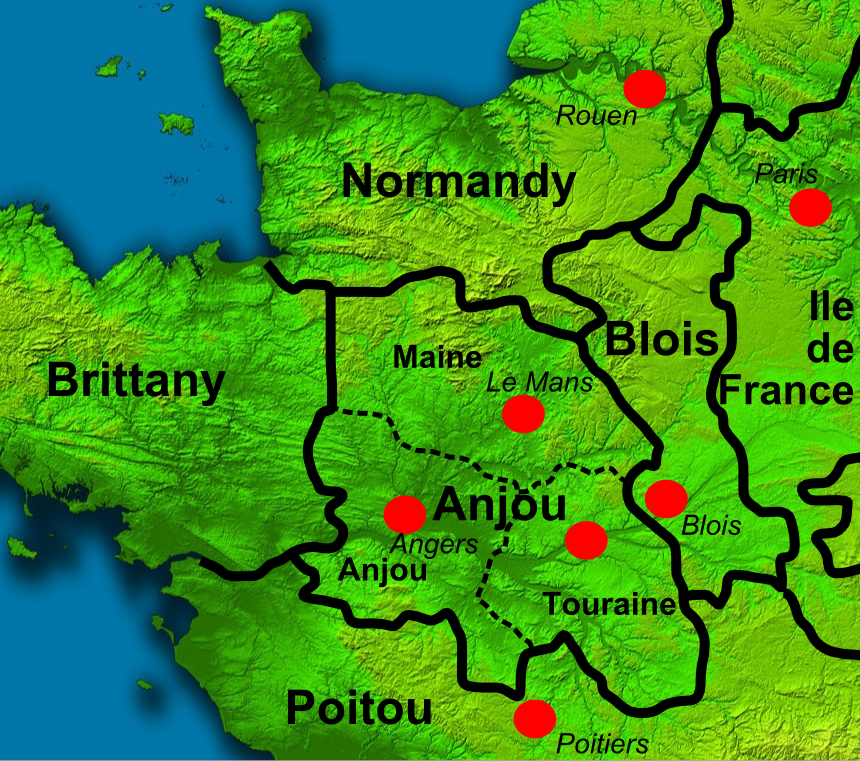
Stephen was the son of Stephen, Count of Blois, and Adela of Normandy, placing him in the Anglo-Norman aristocracy. He married Matilda of Boulogne in the 1120s; the marriage brought him substantial continental and English connections and produced several children, most notably his eldest son Eustace and a younger son William. His kinship with the Norman royal line helped his claim: he was a nephew of King Henry I through his mother.
Accession and the succession crisis
Henry I had attempted to secure the succession for his daughter, Empress Matilda, after the death of his son William in 1120. On Henry's death in 1135, a number of magnates supported Stephen's prompt claim to the throne. He was crowned at Westminster on 26 December 1135. Matilda and her supporters, however, contested his rule, and a wider struggle for control of England and parts of Normandy followed.
The Anarchy: conflict and governance
From about 1138 the contest between Stephen and Matilda (and her chief ally, Robert of Gloucester) produced an uneven military and political stalemate. Key events included the capture of Stephen at Lincoln in 1141, a brief ascendancy by Matilda in the same year, and continuing localized warfare, castle-building, and lawlessness. Royal government in this period was often weak and improvised: many castles were held by barons, and the king relied on negotiation, patronage, and shifting alliances as much as on force.
Treaty and succession
By the early 1150s exhaustion and changing political realities encouraged settlement. The death of Stephen's heir Eustace in 1153 removed a major obstacle to compromise. The resulting agreement, often called the Treaty of Wallingford, allowed Stephen to remain king for life but recognized Henry of Anjou (the son of the Empress Matilda) as his successor. When Stephen died in October 1154, the succession passed peacefully to Henry, who became Henry II and began the Angevin dynasty.
Legacy and assessment
Stephen's reign is judged variously. Medieval and later chroniclers criticized the disorder of his time, and historians have debated whether he was an ineffective ruler or constrained by circumstances beyond his control. He was, however, politically resilient: he secured long tenure of the crown amid strong rival claims and negotiated an end to civil war. He founded or patronized religious houses and was buried at the Cluniac abbey of Faversham, reflecting his family piety and connections.
Further reading and resources
- Biography and overview
- Family and genealogy
- Death and burial details
- Coronation and Westminster
- Origins in Blois
- Normandy and continental context
- Adela of Normandy
- William the Conqueror's dynasty
- Matilda of Boulogne
- Marriage and alliances
- Children and heirs
- The civil war (The Anarchy)
- Empress Matilda
- Henry II and the succession
Note: This summary draws on broadly accepted historical facts and avoids conjecture on disputed details. For scholarly work, consult specialized monographs and primary chronicles cited in academic bibliographies.
Author
AlegsaOnline.com Stephen of England (King Stephen, c.1092/1096–1154) Leandro Alegsa
URL: https://en.alegsaonline.com/art/131244