
Matilda of Scotland (Edith) — Queen Consort of Henry I
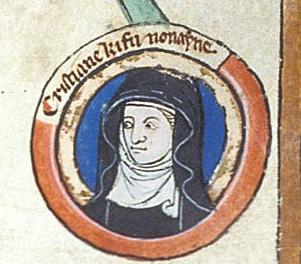
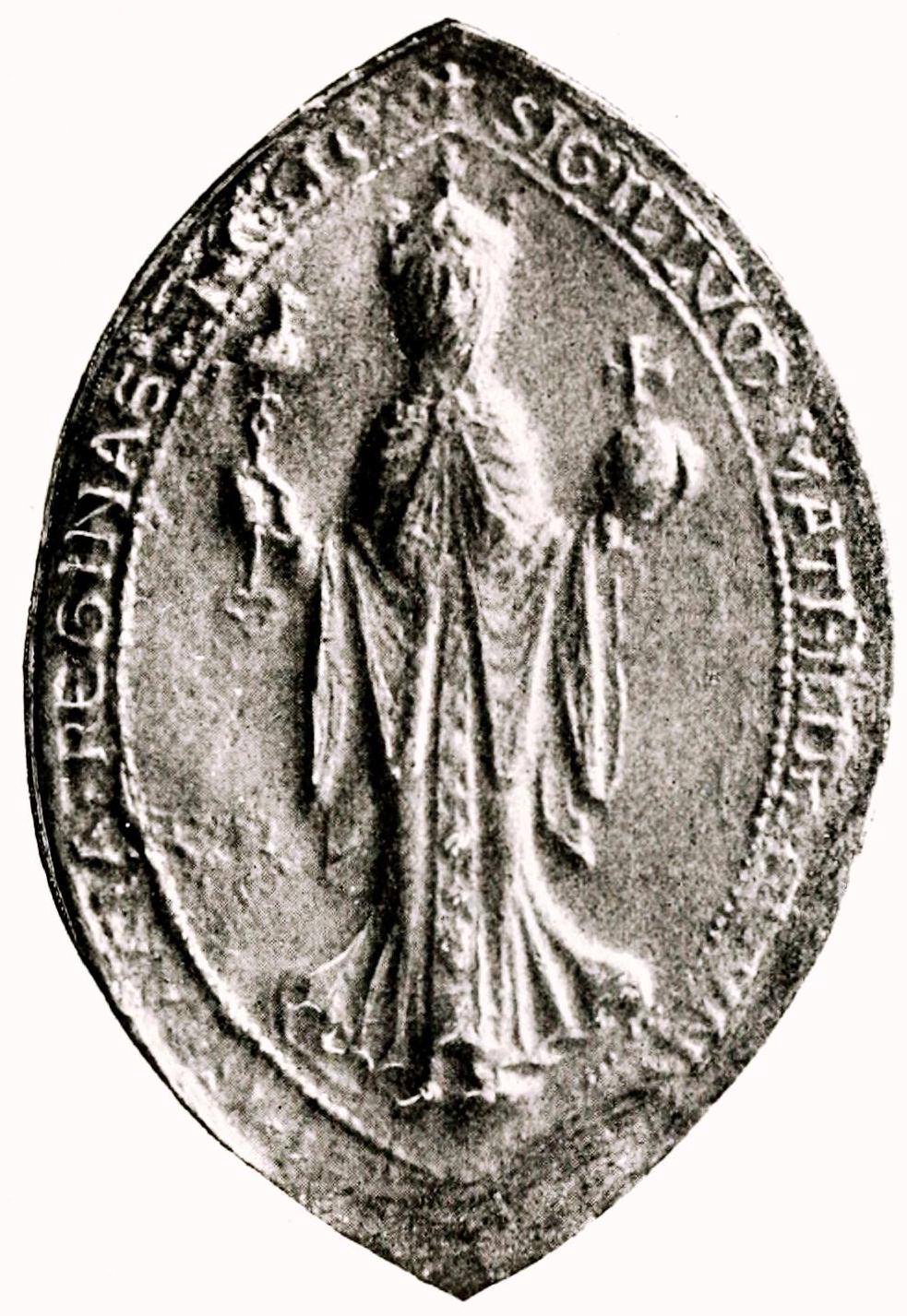
Matilda of Scotland (c.1080–1118), born Edith, was queen consort to Henry I, linking the Anglo-Saxon royal house to the Norman monarchy and mother of Empress Matilda.
Overview
Matilda of Scotland, often called Edith before her marriage, was born about 1080 and died 1 May 1118. As the wife of King Henry I of England she served as queen consort from their marriage in 1100 until her death. Her background and marriage played a notable role in reconciling Norman rulers with the English population after the Conquest.
Image gallery
6 Images



Origins and early life
Matilda was the daughter of King Malcolm III of Scotland and his wife Margaret, a member of the old Anglo-Saxon royal family. Her upbringing combined influences from the Scottish court and the surviving traditions of English royal culture; she carried an Anglo-Saxon name, Edith, which she later exchanged for the Latinate Matilda on becoming queen.
Marriage and role as queen
Her marriage to Henry I strengthened his position by giving the new king a connection to the native royal line of England. As queen she had ceremonial duties, acted as a patron of religious houses, and was widely regarded as pious and charitable. Contemporary witnesses emphasized her devotion and her support for church reform and care for the poor.
Children and succession
- Matilda (commonly called Empress Matilda): later claimant to the English throne and central figure in the succession crisis after Henry's death.
- William Adelin: Henry's legitimate son, whose death at sea in 1120 had dramatic consequences for the succession.
Legacy and historical significance
Matilda of Scotland is remembered chiefly for her dynastic and symbolic importance: through her, the Anglo-Saxon royal lineage was visibly connected to the Norman kings. Her daughter’s contested claim to the throne led to decades of conflict known as the Anarchy, making Matilda a key ancestor in the story of medieval English monarchy. She was buried at Westminster and remains a figure of interest for students of royal diplomacy and medieval piety.
Related articles
Author
AlegsaOnline.com Matilda of Scotland (Edith) — Queen Consort of Henry I Leandro Alegsa
URL: https://en.alegsaonline.com/art/62832