
Malcolm III of Scotland (Malcolm Canmore)
Malcolm III (Malcolm Canmore), king of Scots from 1058 to 1093, ended Macbeth's line, married Saint Margaret, and founded a dynasty whose descendants shaped medieval Scotland.
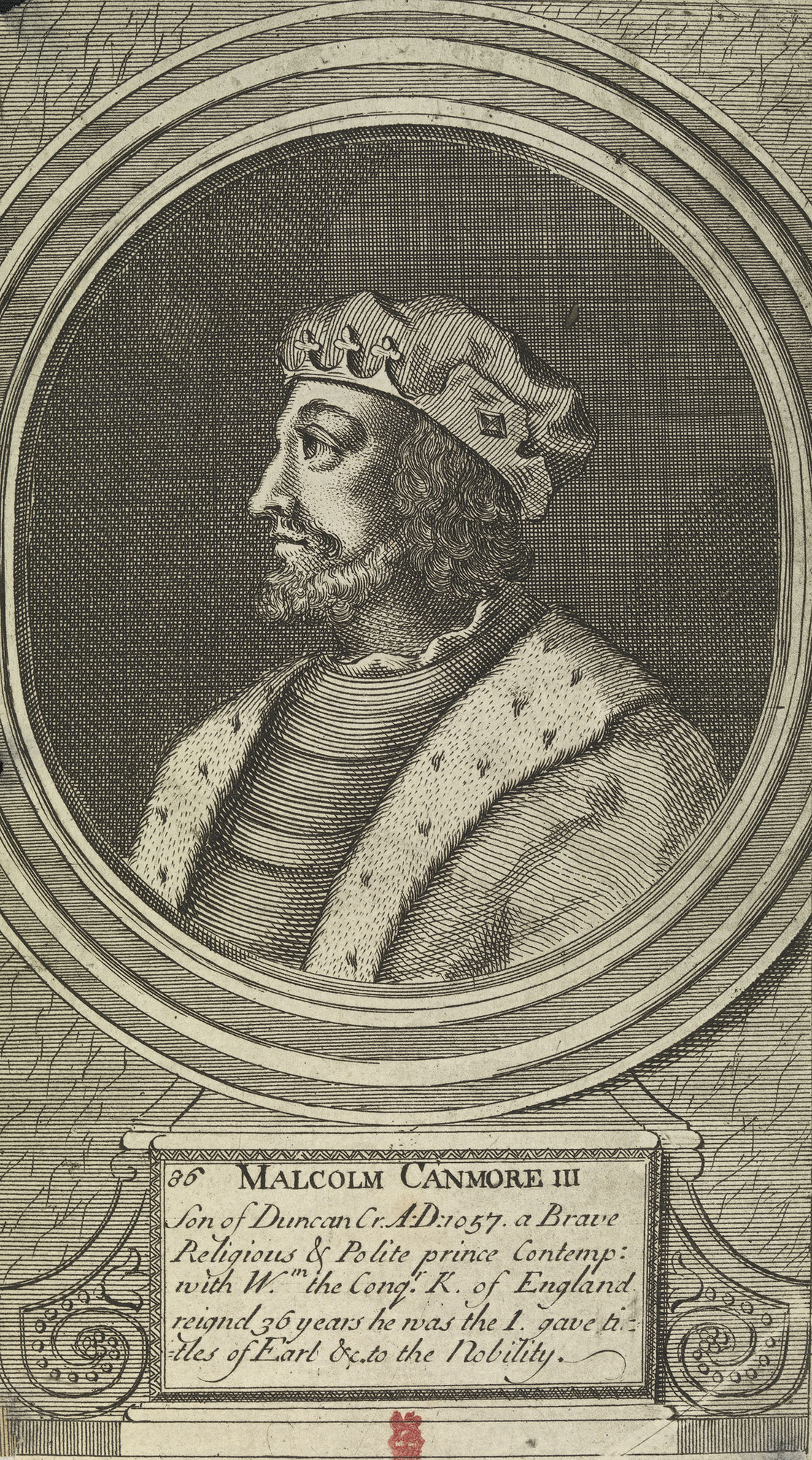
Malcolm III, commonly known as Malcolm Canmore, was king of the Scots from 1058 until his death in 1093. He came to power after the defeat of Macbeth and his successor, and his reign marked a turning point in Scottish relationships with neighbouring England and with continental ecclesiastical reform movements. Malcolm III is often presented as the founder of a new royal house whose members ruled Scotland for generations.
Image gallery
7 Images



Reign and political activity
Malcolm's rule combined military action, dynastic marriage, and shifting alliances. He fought to reclaim his family’s throne, eventually defeating rivals and consolidating control. After 1066 he led several incursions into northern England and allied at times with English claimants opposing the Norman kings. His death came during one such campaign in 1093.
Family, marriage and succession
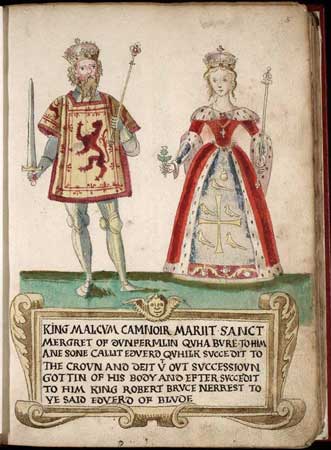
One of Malcolm’s most consequential actions was his marriage to Margaret of Wessex, later canonized as Saint Margaret. Her influence introduced stronger Anglo-Norman and Roman Catholic practices at the Scottish court, affecting liturgy, clerical organization, and cultural ties. Together they produced sons who later played central roles in Scotland’s monarchy.
- Notable children included Edward, Edmund, Ethelred, Edgar, Alexander and David, several of whom became rulers or important nobles.
- Malcolm also had an earlier marriage that produced Duncan, who briefly claimed the throne.
Legacy and historical significance
Malcolm III’s descendants established a line of rulers that shaped medieval Scotland’s institutions and territorial politics. Historians credit his reign with strengthening dynastic continuity and increasing contacts with England and continental Europe. For discussions of his dynasty and later impact see general surveys of Scottish royal history and medieval reform movements. dynasty and the succession of kings that followed are subjects of sustained study, and his era is often noted for the long-term rule of his house, lasting over two centuries in influence two centuries.
Malcolm’s life sits at the intersection of native Scottish tradition and wider European change: a warrior king, a partner to a reforming queen, and the progenitor of a dynasty that helped define Scotland’s medieval trajectory.
Related articles
Author
AlegsaOnline.com Malcolm III of Scotland (Malcolm Canmore) Leandro Alegsa
URL: https://en.alegsaonline.com/art/125728