
Matsukata Masayoshi
Matsukata Masayoshi (1835–1924) was a leading Meiji-period statesman and finance reformer who served twice as Japan's prime minister and carried out fiscal and monetary policies that shaped modern Japan.
Matsukata Masayoshi (松方 正義, 25 February 1835 – 2 July 1924) was a prominent Meiji-era statesman and administrator. His family name is Matsukata; readers unfamiliar with Japanese names can learn about naming order and conventions via Japanese naming, the distinction between given and family names via name order references, and the placement of Matsukata as the family name in Japanese sources via family-name notes.
Image gallery
4 Images
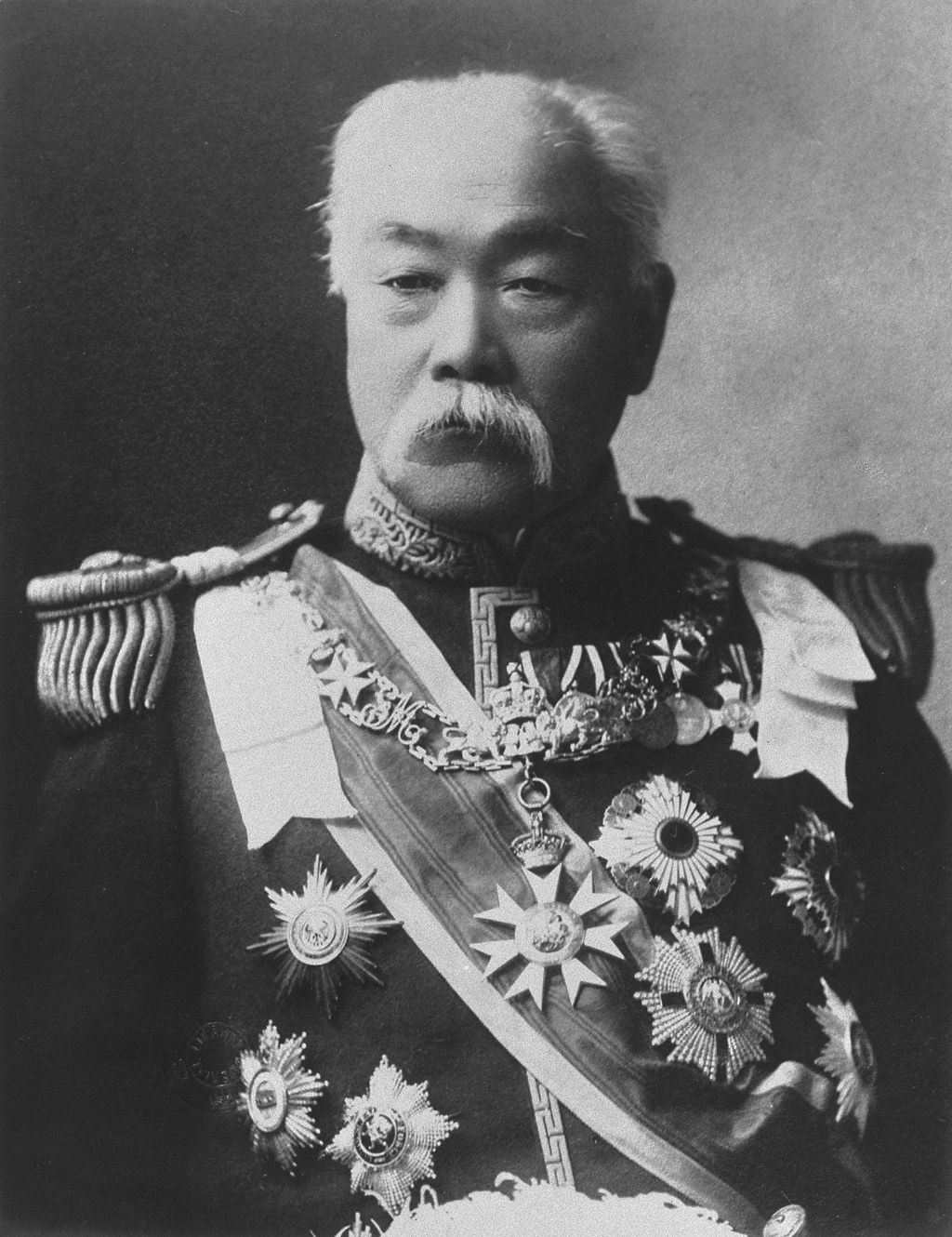


Public roles and leadership
Matsukata rose to national prominence as a senior official responsible for finance and administration. He served twice as head of government in the 1890s, acting as Prime Minister of Japan on two separate occasions; his career also included long service as a cabinet minister and as an elder statesman in later decades. Contemporary accounts and modern historians treat him as one of the influential figures of Meiji institutional development: a statesman who helped shape fiscal policy and a cabinet minister who managed the transition from feudal finances to modern public budgeting.
Economic and fiscal policies
Matsukata is best known for fiscal consolidation measures and monetary stabilization. Facing runaway expenditures and inflation that followed early modernization, he pursued budgetary retrenchment and currency stabilization—an approach later described in economic history as the "Matsukata" policy or deflation. These steps reduced government deficits, encouraged a return to monetary stability, and created conditions for a national banking system. His reforms contributed to the establishment and strengthening of modern financial institutions, including the Bank of Japan, and encouraged private investment and industrial growth by clarifying currency and credit conditions.
Legacy and historical significance
Historians view Matsukata as a cautious fiscal conservative whose policies had mixed social effects: they restored fiscal balance and modernized finance but also imposed short-term hardship on some sectors of society. He continued to influence policy as a senior adviser and was regarded as an important Meiji-era elder statesman. His long life, spanning from the late Tokugawa period into the Taishō era, made him a bridge between older samurai-era elites and modern political institutions.
- Born 1835, died 1924; prominent Meiji politician and reformer.
- Held top government posts including two terms as Prime Minister of Japan.
- Associated with fiscal consolidation, monetary stabilization, and the development of Japan's banking system.
Matsukata's name, policies and the debates they generated remain subjects of study for those examining Japan's rapid transformation into a modern state. For further context on the institutions and political culture of his era consult general works on Meiji government and finance (see relevant entries and archives via the linked resources above).
Questions and answers
Q: What is Matsukata Masayoshi known for?
A: Matsukata Masayoshi is known for being a Japanese politician who served twice as Prime Minister of Japan.
Q: When was Matsukata Masayoshi born?
A: Matsukata Masayoshi was born on February 25th, 1835.
Q: What is the meaning of the name Matsukata Masayoshi?
A: Matsukata is the family name and Masayoshi is the given name. In Japanese tradition, the family name comes before the given name.
Q: How many times did Matsukata Masayoshi serve as the Prime Minister of Japan?
A: Matsukata Masayoshi served as the Prime Minister of Japan twice.
Q: What was the duration of Matsukata Masayoshi’s term as the Prime Minister of Japan?
A: The duration of Matsukata Masayoshi’s term as the Prime Minister of Japan is not specified in the text.
Q: When did Matsukata Masayoshi die?
A: Matsukata Masayoshi died on July 2nd, 1924.
Q: Was Matsukata Masayoshi a significant figure in Japanese politics?
A: Yes, Matsukata Masayoshi was a significant figure in Japanese politics who served as the Prime Minister of Japan twice.
Related articles
Author
AlegsaOnline.com Matsukata Masayoshi Leandro Alegsa
URL: https://en.alegsaonline.com/art/62860
Sources
- books.google.com : "Matsukata Masayoshi" · archive.org
- books.google.com : Annual report of the Director of the Mint (US), p. 393
- query.nytimes.com : "Japan's Genro Act to FIll Hara's Post; Saionji Confers With Matsukata at Palace and Latter Goes to See Yamagata," · archive.org
- london-gazette.co.uk : "His Excellency Count Matsugata, formerly Prime-Minister-of Japan,"