
Queen: roles, types, history and modern significance
An overview of the title 'queen' — its meanings, distinctions between queen regnant and queen consort, historical development, constitutional roles, and modern cultural and political significance.
Overview
A queen is commonly understood as a female sovereign or the wife of a sovereign. In one sense a queen rules in her own right — as a queen regnant — often inheriting the throne through lines of inheritance. In another sense a queen is a consort: the spouse of a reigning king, who may hold the title queen without sovereign powers. Succession frequently follows the death or abdication of the previous monarch, who may have been a king or a queen (previous monarch), and the realm they lead is traditionally called a kingdom.
Image gallery
2 Images
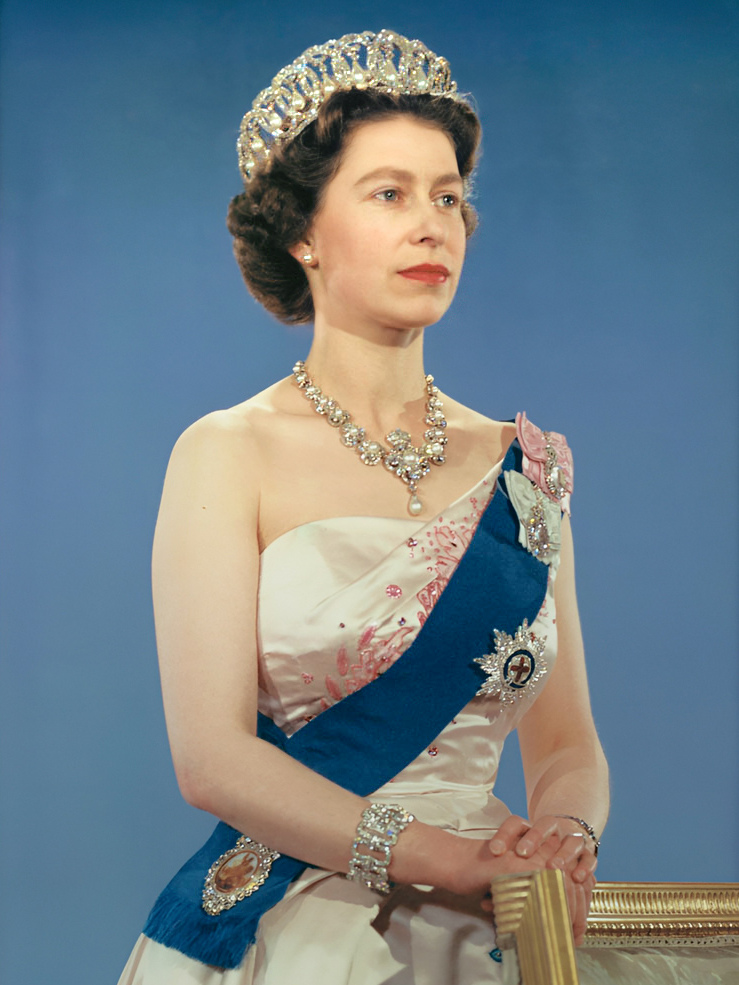
Types and titles
Historians and constitutional scholars distinguish several categories. A queen regnant is a female monarch who reigns by right of succession and exercises the duties of head of state. A queen consort is the spouse of a reigning king and usually takes on ceremonial, charitable, and representational roles rather than executive authority. A queen dowager or queen mother may be the widow of a king or the mother of the reigning monarch. In some systems the husband of a queen regnant is styled differently — he may become a prince or duke rather than a king; for example, the spouse of a sovereign has sometimes been excluded from the male title king for constitutional or historical reasons.
Historical development
The institution of queenship evolved over centuries across cultures. In ancient and medieval polities some women ruled as sovereigns, others exercised power through regency, marriage alliances, or dynastic maneuvering. Political thinkers debated the merits of monarchy and single-person rule: classical works such as Aristotle's Politics considered different forms of government and warned that concentrated power can be vulnerable to corruption (Aristotle, government forms). Ideas about succession, gender and legitimacy have shaped whether women could inherit, how they governed, and how their spouses were titled.
Constitutional vs. absolute queenship
In absolute monarchies a queen regnant could wield direct political and military power; in constitutional monarchies her functions are usually symbolic and ceremonial. Many modern constitutional monarchies separate the personal role of the monarch from the day-to-day governance handled by elected officials and the cabinet (constitutional monarchy, government). For example, contemporary royal families often serve as national symbols and engage in public service, while formal authority remains with the legislature and executive branch (political party government, head of state).
Roles, duties and public expectations
- Representation: attending ceremonies, state visits and diplomatic functions.
- Ceremonial duties: opening parliaments, granting honours and presiding over national rituals.
- Patronage and charity: supporting cultural, educational and health causes.
- Constitutional functions: in some systems, formally appointing ministers or giving assent to legislation, though usually on ministerial advice.
Public expectations of queens differ across societies. In some countries the royal household is a major cultural and tourist attraction and is argued to contribute to national identity and revenue (royal family, source of income). Critics contend that hereditary rule is incompatible with modern democratic ideals and may be subject to corruption or undue privilege (anti-monarchy arguments, concerns about corruption).
Modern examples and notable facts
Contemporary examples show variation: some queens exercise largely symbolic duties in constitutional frameworks, while others have more active public roles. Instances in recent history illustrate that when a queen regnant takes the throne, her spouse’s title and role depend on precedent, legislation and public opinion (see cases where a royal consort is styled duke or receives another title). Debates about monarchy often center on tradition, cost, democratic principles and national identity; supporters emphasize continuity and cultural heritage (tradition), while opponents emphasize electoral legitimacy and equality of office (election).
Further reading and distinctions
For a deeper understanding, readers may explore legal histories of succession, constitutional texts that limit royal power, and comparative studies of monarchical institutions across regions. Scholarly comparisons examine how the same title can mean very different things depending on law, custom and modern reform (regime types, leadership). Contemporary monarchies are diverse: some retain ceremonial roles with little political influence, while others are vestiges of once more powerful sovereign states. To learn more about the role of specific queens, consult historical biographies and current constitutional documents (succession cases, inheritance rules).
Notes: this article outlines general patterns rather than exhaustive legal detail; the exact powers, titles and public roles of a queen will depend on a country's laws, customs and historical circumstances. For jurisdiction-specific matters, primary legal texts and official royal communications provide authoritative guidance (government, political institutions, constitutional practice, head of state functions).
Questions and answers
Q: What is a queen?
A: A queen is a woman who rules a country, usually due to inheritance.
Q: How does a queen come to power?
A: A queen usually comes to power after the death of the previous king or queen, who is her parent.
Q: What is a country ruled by a queen called?
A: A country that is ruled by a queen is called a kingdom – the same as if it were ruled by a king.
Q: Is the husband of a Queen always called King?
A: No, the husband of a Queen is not always called King. For example, when Queen Elizabeth II became monarch her husband The Duke of Edinburgh did not become King.
Q: What did Aristotle think about monarchy?
A: Aristotle’s “Politics” compares different forms of government and he claims monarchy to be one of the worst regimes because one leader may be easily corrupted even if they were selected as the most wise and deserving ruler of an entire group.
Q: Why do some people want to keep their royal family in countries like the UK?
A: Many people in countries such as the UK want to keep their royal family as they have remained traditional icons and sources of income for their country.
Q: Does the monarch in constitutional monarchy have any real power over ruling decisions?
A:No, in constitutional monarchy, monarchs only have head-of-state powers so they do not make any governing decisions or rule over political parties elected by citizens.
Related articles
Author
AlegsaOnline.com Queen: roles, types, history and modern significance Leandro Alegsa
URL: https://en.alegsaonline.com/art/80465