
Matsukata Kōjirō: Japanese businessman and collector of Western art
Matsukata Kōjirō (1865–1950) was a Japanese businessman whose extensive collection of French Impressionist and modern art became the foundation of Tokyo's National Museum of Western Art.
Overview
Matsukata Kōjirō (松方 幸次郎, January 17, 1865 – June 24, 1950) was a Japanese businessman and an important collector of Western art. In Japanese naming order the family name comes first; his surname is Matsukata. Over several decades he assembled an extensive collection of French paintings and sculpture that later formed the core holdings of the National Museum of Western Art (NMWA) in Ueno, Tokyo. For background on Japanese name order and its usage, see Japanese naming conventions.
Image gallery
6 Images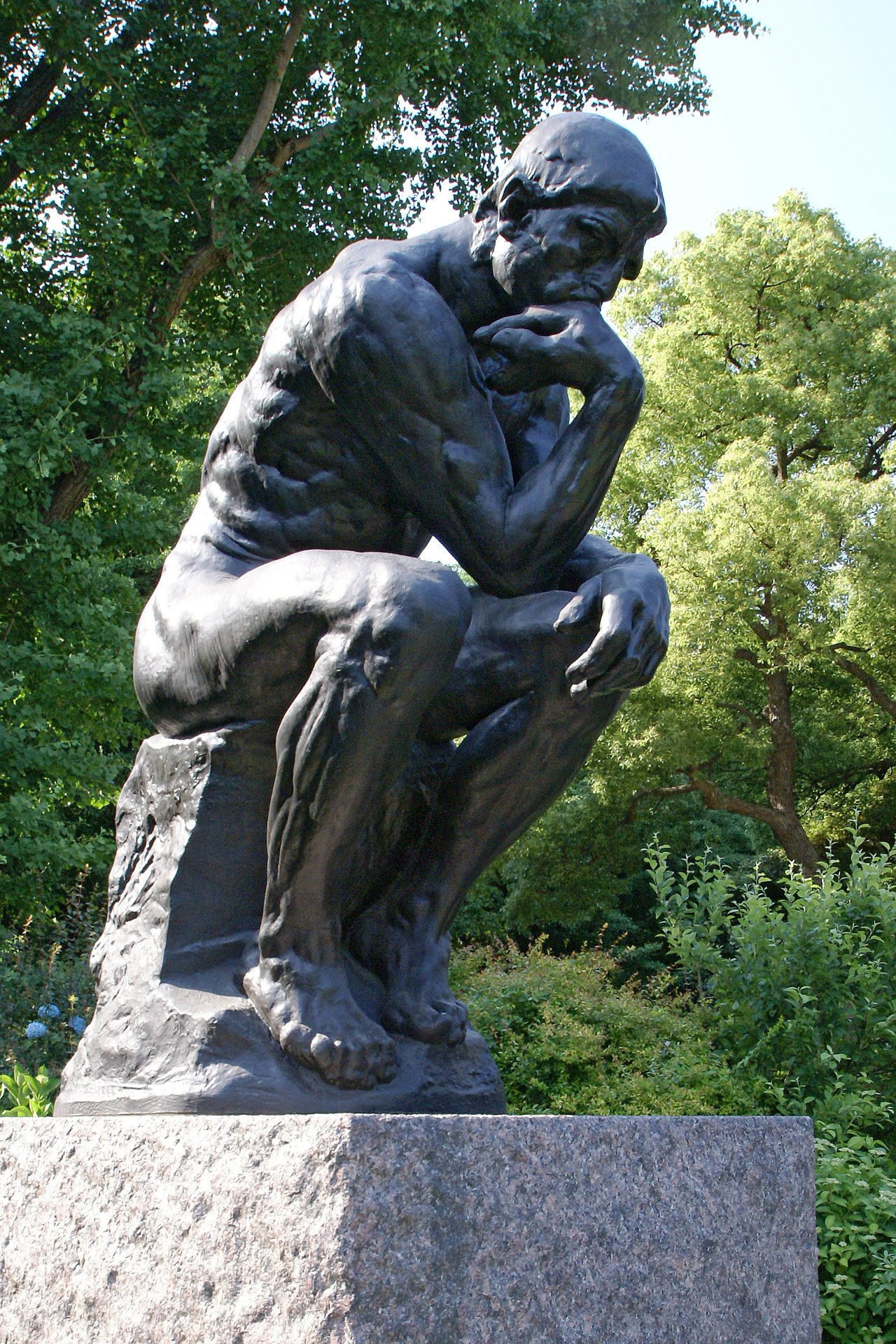


Nature of the collection
Matsukata concentrated on late 19th- and early 20th-century French art, with a strong emphasis on Impressionist and post-Impressionist painters and contemporaneous sculptors. His purchases included works by artists widely associated with those movements and with the development of modern art in Europe. The collection helped introduce Japanese audiences to new artistic styles and techniques then unfamiliar in Japan.
Notable artists and works
- Claude Monet, Pierre-Auguste Renoir and Camille Pissarro (Impressionism)
- Paul Cézanne and other post-Impressionist painters
- Edgar Degas and sculptors such as Auguste Rodin
These names represent the kinds of artists whose works were bought by Matsukata and later exhibited in Japan; the National Museum of Western Art retains many pieces from this nucleus. For an institutional perspective, see the museum's collection overview.
History and acquisition
Matsukata began collecting in the late Meiji and Taishō eras, traveling to Europe and purchasing through dealers and auctions in Paris. His activity reflected a broader trend among wealthy Japanese patrons who sought to bring Western culture and learning into the country. Like many private collections assembled during turbulent decades, parts of his holdings were affected by wartime and postwar conditions; subsequent recovery and conservation efforts were important in establishing public access.
Legacy and significance
After his death, Matsukata's collection became the foundation for a public institution dedicated to Western art in Tokyo. The National Museum of Western Art, whose Ueno building was realized under the influence of modernist architect Le Corbusier, made these works accessible to a wide audience and influenced Japanese museum practice and taste. The relationship between a private collector's purchases and a national museum's holdings is a notable example of how individual initiative can shape cultural institutions; further information about the building and its architectural recognition is available at Le Corbusier's design and legacy and institutional histories can be found via museum histories and archives.
Matsukata Kōjirō is remembered both for his role in business and for his lasting contribution to art appreciation in Japan. His collecting helped place important works of Western art in Japanese public life and continues to inform exhibitions, scholarship, and the study of cultural exchange between Europe and Japan.
Questions and answers
Q: Who is Matsukata Kojiro?
A: Matsukata Kojiro was a Japanese businessman and art collector.
Q: What was Matsukata Kojiro's contribution to Japan's National Museum of Western Art?
A: Matsukata Kojiro's collection of French art became the core of Japan's National Museum of Western Art.
Q: When was Matsukata Kojiro born and when did he die?
A: Matsukata Kojiro was born on January 17, 1865, and he died on June 24, 1950.
Q: Where is Japan's National Museum of Western Art located?
A: Japan's National Museum of Western Art is located in Ueno, central Tokyo.
Q: What type of art did Matsukata Kojiro collect?
A: Matsukata Kojiro collected French art.
Q: What is Matsukata Kojiro's family name?
A: Matsukata Kojiro's family name is Matsukata.
Q: What was the significance of Matsukata Kojiro's collection of French art?
A: Matsukata Kojiro's collection of French art became the core of Japan's National Museum of Western Art located in Ueno, central Tokyo.
Related articles
Author
AlegsaOnline.com Matsukata Kōjirō: Japanese businessman and collector of Western art Leandro Alegsa
URL: https://en.alegsaonline.com/art/62859
Sources
- books.google.com : "Matsukata Kōjirō,"
- nmwa.go.jp : Matsukata collection
- books.google.com : The Spirit of Capitalism: Nationalism and Economic Growth, p. 341.
- select.nytimes.com : "Rodin's Tomb a New Meca for Artists of the World; Sculptures Reassembled at Meudon Will Be Opened to Public -- Their Setting Is Beautiful and Impressive,"
- books.google.com : The Floating World, p. 244.
- select.nytimes.com : "French Art in Tokyo,"