
Matoug Adam — Libyan politician, civil servant and poet (1926–2019)
Matoug Adam was a Libyan civil servant, minister and poet. He served as Minister of Tourism (1968–1969) and as the last Interior Minister of the Kingdom of Libya before the 1969 coup; he died in 2019.
Matoug Adam (Arabic: معتوق آدم الرقعي; 1926 – 2 April 2019) was a Libyan public official and poet who held senior posts during the final years of the Kingdom of Libya. His career combined administrative service and cultural activity at a time of political change in Libya.
Image gallery
1 Image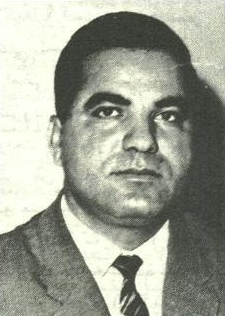
Government career and timeline
Adam served in ministerial roles in the late 1960s. He was appointed Minister of Tourism in January 1968 and remained in that portfolio until June 1969. In June 1969 he became Minister of the Interior, a post he held until 31 August 1969. These appointments made him the final Interior Minister of the monarchical government that ruled Libya before its overthrow.
- January 1968 – June 1969: Minister of Tourism
- June 1969 – 31 August 1969: Minister of the Interior
Role and responsibilities
The Interior Ministry traditionally oversees domestic security, police forces, civil administration and local affairs. As Interior Minister Adam would have been responsible for public order and internal administration during a period of economic and social change in the kingdom. His earlier role as Tourism Minister related to promotion of cultural and economic development through travel and heritage management.
Coup of 1969 and aftermath
On 1 September 1969 a group of military officers led by Muammar Gaddafi carried out a coup d'état that ended the monarchy. Because Adam was a senior official in the royal government, he was detained by the new authorities and was reported to have been imprisoned for two years following the coup. His detention illustrates the abrupt changes experienced by many officials after the revolution.
Poetry and cultural standing
In addition to his public service, Adam was known as a poet. While less internationally prominent than some literary figures, his poetic work contributed to Libya's cultural life in the mid-20th century, reflecting the dual roles many intellectuals held as both administrators and cultural actors.
Death and legacy
Matoug Adam died on 2 April 2019 at the age of 93. He is remembered for occupying key government posts at a pivotal moment in Libyan history — notably as the last Interior Minister of the kingdom — and for his participation in the country’s cultural scene. For further context on the political transition that affected his career, see contemporary accounts of the monarchy and the 1969 revolution (ministerial history).
Readers seeking primary documents or more detailed biographical material may consult archival sources and histories of Libya’s mid-20th-century political institutions for a fuller picture of Adam’s life and the circumstances of his service.
Related articles
Author
AlegsaOnline.com Matoug Adam — Libyan politician, civil servant and poet (1926–2019) Leandro Alegsa
URL: https://en.alegsaonline.com/art/62843
Sources
- 218tv.net : "وفاة آخر وزير داخلية في حكومة "المملكة""