
Margot Kidder: Actress, Activist and Cultural Figure
Profile of Margot Kidder, the Canadian‑American actress best known as Lois Lane, covering her career, activism, health struggles, and legacy.
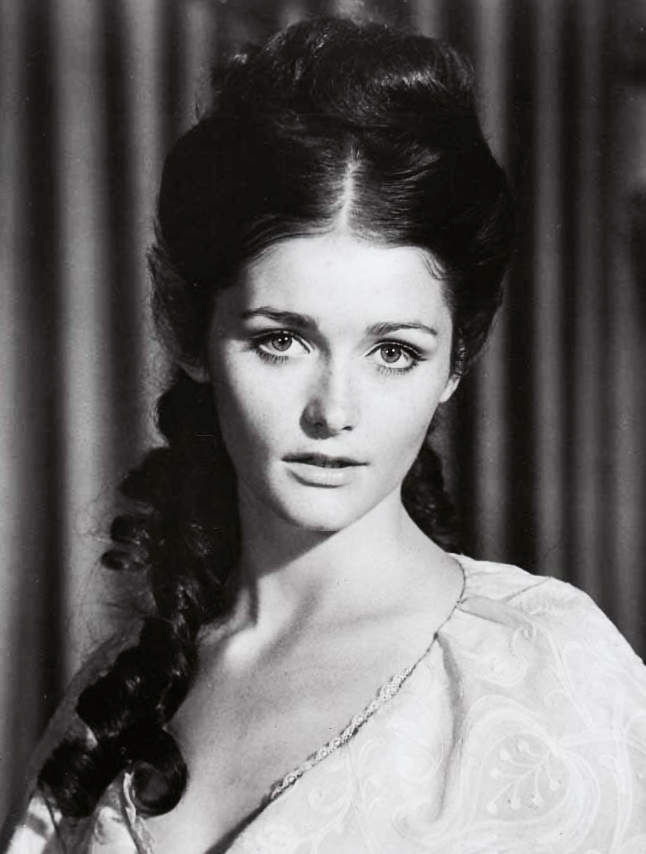
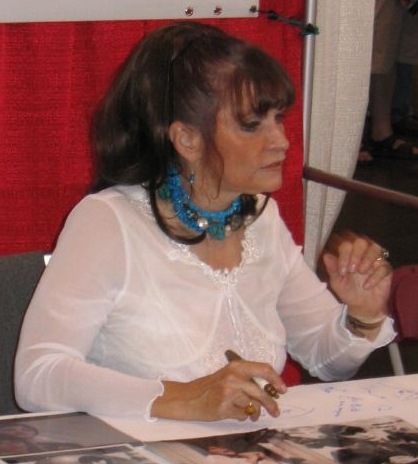
Margaret Ruth "Margot" Kidder (October 17, 1948 – May 13, 2018) was a Canadian and later naturalized Canadian-American actress and public figure known for both her screen work and her outspoken social engagement. She achieved wide recognition for portraying Lois Lane in Richard Donner’s 1978 film Superman (1978) opposite Christopher Reeve, and for a string of roles across film and television during the 1970s and beyond. Kidder combined a career in genre and dramatic cinema with later activism on environmental and political issues, becoming a familiar presence in popular culture.
Image gallery
10 Images



Career highlights
Kidder’s early work moved between studio features and smaller, cult films. She appeared in Brian De Palma’s psychological thriller Sisters, and in horror and suspense pictures that would earn her a following among genre audiences. Her other prominent 1970s credits included the holiday horror landmark Black Christmas (1974), the aviation drama The Great Waldo Pepper (1975), and the supernatural drama The Reincarnation of Peter Proud (1975). In 1979 she played Kathy Lutz in the commercially successful horror film The Amityville Horror, further consolidating her reputation in mainstream and cult entertainment.
- Notable role: Lois Lane in Superman (1978).
- Selected genre films: Sisters, Black Christmas, The Amityville Horror.
- Awards: She won a Saturn Award for Best Actress for Superman and later earned television recognition, including an Emmy for a performance in children’s programming.
Early life and personal background
Kidder was born in Yellowknife in the Northwest Territories of Canada and educated in Toronto, where she attended institutions such as Havergal College. Her private life included several marriages: she was married to writer Thomas McGuane (1975–1978), had a brief marriage to actor John Heard in 1979–1980, and later to French director Philippe de Broca in the 1980s. She was a mother and maintained a home life alongside intermittent periods of professional activity.
Health, incidents, and activism
Kidder was open about long-term health challenges. She experienced episodes associated with mental illness, including diagnosed bipolar disorder and incidents she described as severe anxiety and paranoia. These issues led to on‑off periods in her career and at least one highly publicized disappearance in April 1996 when she was missing in Los Angeles for several days; she later reported being the victim of an attempted assault. In addition, a serious car accident in 1990 caused physical injuries that disrupted her ability to work for a time and had financial consequences.
Later in life Kidder was a visible advocate for causes including environmental protection and anti-war positions, and she aligned herself publicly with progressive political figures, notably endorsing Bernie Sanders in the 2016 race for President of the United States. She described her activism as an extension of lifelong interests in social and ecological issues and continued to speak at events and participate in demonstrations.
Later years, citizenship and public recognition
Kidder became a naturalized citizen of the United States in 2005 while retaining strong ties to Canada. Her later career included television roles and appearances in independent projects; she received industry recognition for both popular and children’s programming and remained a figure of interest for fans of the films that defined her early fame.
Death and legacy
Margot Kidder died at her home in Livingston, Montana on May 13, 2018, at the age of 69. In August 2018 authorities reported that her death had been ruled a suicide attributed to a drug and alcohol overdose. Her passing prompted renewed attention to her body of work, her public discussions of mental health, and her activism. For many, Kidder remains best known as a spirited portrayal of Lois Lane that helped redefine that character for modern cinema; for others, she is remembered as an outspoken advocate who brought visibility to political and environmental causes.
Points of note and further reading can include contemporary retrospectives on her filmography and interviews that explore the intersection of celebrity, mental health, and activism. Her life is often discussed in the context of 1970s and 1980s cinema, genre film history, and the evolving public conversation about mental illness and support for artists.
References and external materials are available from archival coverage, filmographies and obituaries that document both her professional achievements and personal struggles; for specific resources see institutional film databases and reputable news outlets for contemporary reporting.
Further links: Canadian background, naturalization, activist work, iconic role, Superman film, screen partner, collaborations, early horror, dramatic roles, supernatural films, birthplace, national origin, education, personal relationships, mental health, diagnosis, 1996 disappearance, assault report, award recognition, anti-war stance, political endorsement, electoral context, place of death, official ruling.
Related articles
Author
AlegsaOnline.com Margot Kidder: Actress, Activist and Cultural Figure Leandro Alegsa
URL: https://en.alegsaonline.com/art/61786
Sources
- verywell.com : "Margot Kidder, actress: From paranoid delusions to orthomolecular medicine"
- people.com : "Starting Over"
- telegraph.co.uk : "Curse? It's the luck of Superman"
- etonline.com : "The Daytime Creative Arts Emmy Award Winners: A Roundup"
- cbc.ca : "Margot Kidder arrested at White House oil protest"
- facebook.com : "Billings for Bernie—Dinner with Margot Kidder—Yellowstone Co. Democrats"
- cnn.com : "Margot Kidder, 'Superman' actress, dead at 69"
- chicago.suntimes.com : "Margot Kidder death is ruled a suicide"