
Marguerite Higgins — American War Correspondent and Pulitzer Winner
Marguerite Higgins (1920–1966) was a pioneering American war correspondent who covered WWII, the Korean War and early Vietnam, won a Pulitzer for foreign reporting, and advocated equal access for women reporters.
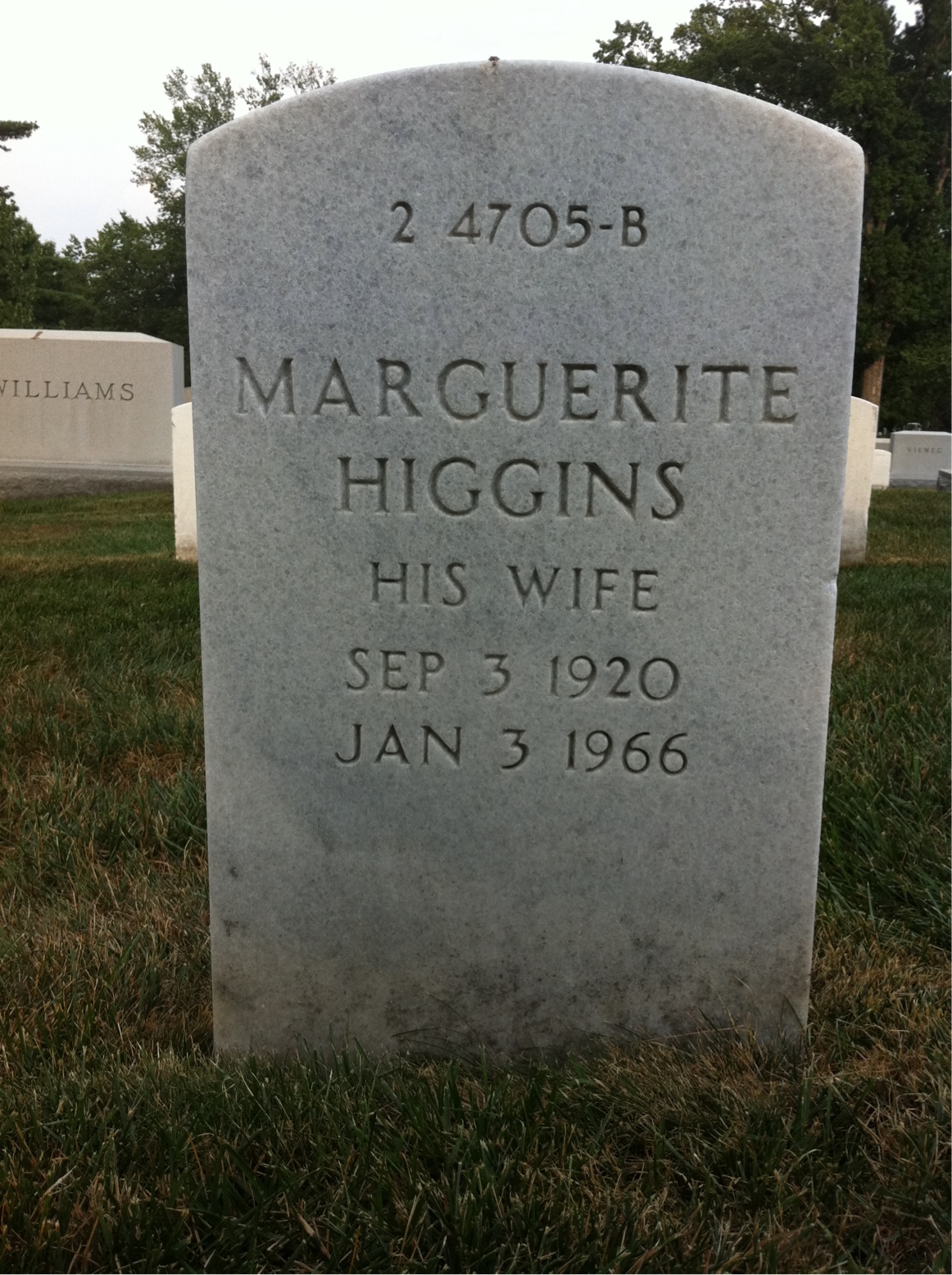
Marguerite Higgins Hall (September 3, 1920 – January 3, 1966) was an American reporter and foreign correspondent noted for frontline coverage of major mid‑20th century conflicts. Born in Hong Kong, she built a reputation for vivid, firsthand dispatches and for pressing to report from active battle zones rather than from distant headquarters. Her work reached large national audiences and helped shape public understanding of wars that defined the era.
Image gallery
4 Images


Early life and education
Higgins grew up in a family that moved frequently; she later attended college in the United States and entered journalism at a time when few women covered international affairs. Early assignments and feature reporting led to opportunities with national newspapers, and she joined the New York Herald Tribune in the early 1940s, beginning a two‑decade association that established her as a prominent correspondent.
Major assignments
During World War II Higgins reported on events in Europe and Asia, delivering eyewitness accounts that emphasized both military operations and civilian experiences. Her most widely recognized work came in the Korean conflict, where sustained front‑line reporting brought detailed accounts of combat conditions and refugee suffering. Coverage from Korea earned her wide professional recognition, culminating in a Pulitzer Prize; she is widely cited as the first woman to receive that award for foreign correspondence (Pulitzer Prize).
- World War II: early international reporting that established her credentials.
- Korean War: defining work that drew public attention and professional honors.
- Vietnam: reporting in the conflict's early years, continuing her focus on frontline developments.
Reporting style and professional challenges
Higgins combined straightforward, descriptive prose with extensive interviews and observational detail. She frequently challenged military and press controls that restricted women correspondents, arguing for equal accreditation and the right to travel with combat units. Her advocacy and persistence contributed to changes in access for later generations of female journalists and influenced discussions about reporters' rights and responsibilities in wartime.
Later career, legacy and death
After more than twenty years with the Herald Tribune (1942–1963) she wrote a column for Newsday (1963–1965) and continued to publish accounts and commentary on international affairs. Higgins's work is remembered for its insistence on eyewitness reporting, its concern for civilians affected by conflict, and its role in expanding opportunities for women in journalism. Late in life she became ill with leishmaniasis and died on January 3, 1966 in Washington at the age of 45.
For readers seeking primary dispatches and retrospective analysis, archival newspaper collections, institutional press archives, and biographies provide fuller accounts of her reporting, the debates she engaged in about gender and accreditation, and her influence on wartime journalism. Researchers may consult major library collections and specialized studies of media coverage for more detailed information.
Related articles
Author
AlegsaOnline.com Marguerite Higgins — American War Correspondent and Pulitzer Winner Leandro Alegsa
URL: https://en.alegsaonline.com/art/61793
Sources
- time.com : "Pride of the Regiment"