
Livingston, Montana
Livingston is the county seat of Park County, Montana, on the Yellowstone River north of Yellowstone National Park. It is a historic railroad town and a gateway for outdoor recreation and tourism.
Overview
Livingston is a small city in the western United States, serving as the county seat of Park County. The community lies along the Yellowstone River and sits north of Yellowstone National Park, making it an important regional center for visitors and residents. As of 2010 the town had about 7,000 residents; its size and services reflect its role as both a local hub and a gateway to public lands.
Image gallery
10 Images


Geography and climate
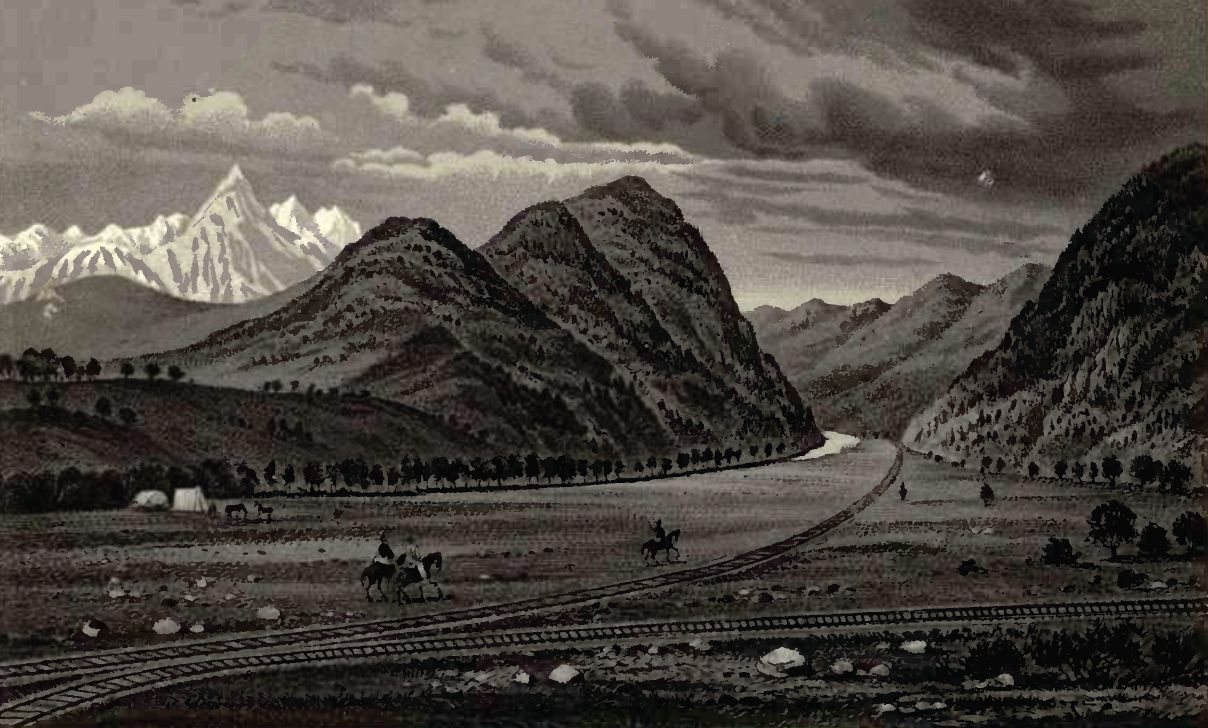
Livingston occupies a river corridor framed by foothills and mountain ranges. The Yellowstone River cuts a valley that provides floodplain meadows, riparian habitat and easy access to fishing and wildlife viewing. Summers are generally warm and dry with cool evenings, while winters bring cold temperatures and snow to the surrounding higher terrain; local weather varies with elevation and exposure.
History and development
The town grew in the late 19th century in connection with railroad expansion and regional ranching. Livingston developed as a rail terminus and service center, and the railroad left a visible imprint on the downtown layout and surviving industrial buildings. Over time the economy diversified from transportation and agriculture to include tourism, small business, and cultural enterprises while retaining many historic structures.
Economy, culture and recreation
Livingston combines year-round services for residents with seasonal tourism linked to Yellowstone and outdoor recreation. The Yellowstone River is a prime destination for fly-fishing and river access; nearby trails and public lands provide hiking, wildlife viewing and scenic drives. The town supports galleries, restaurants and community arts organizations that contribute to a lively cultural scene. Historic downtown architecture and former railroad facilities are part of the visitor experience and local identity.
Transportation and practical information
The town is served by regional highways and local roads that connect to larger cities and park entrances, and it remains a common stopping point for visitors heading to the national park and nearby wilderness areas. Visitor centers, local government offices and chambers of commerce provide practical information on lodging, permits and seasonal events. Travelers should consult current local resources before planning trips into backcountry or winter conditions.
Notable features
- Gateway location: common base for trips to Yellowstone and surrounding public lands.
- Outdoor opportunities: river fishing, trails, wildlife viewing and scenic drives.
- Historic character: downtown buildings and former railroad facilities reflect 19th-century origins.
For more local details and official visitor information consult regional resources and the appropriate local offices. This summary provides a general overview of Livingston's setting, history and role as a small Montana city that continues to draw visitors for outdoor recreation and western cultural offerings.
Related articles
Author
AlegsaOnline.com Livingston, Montana Leandro Alegsa
URL: https://en.alegsaonline.com/art/58634