
Manaslu — the eighth highest peak in the world
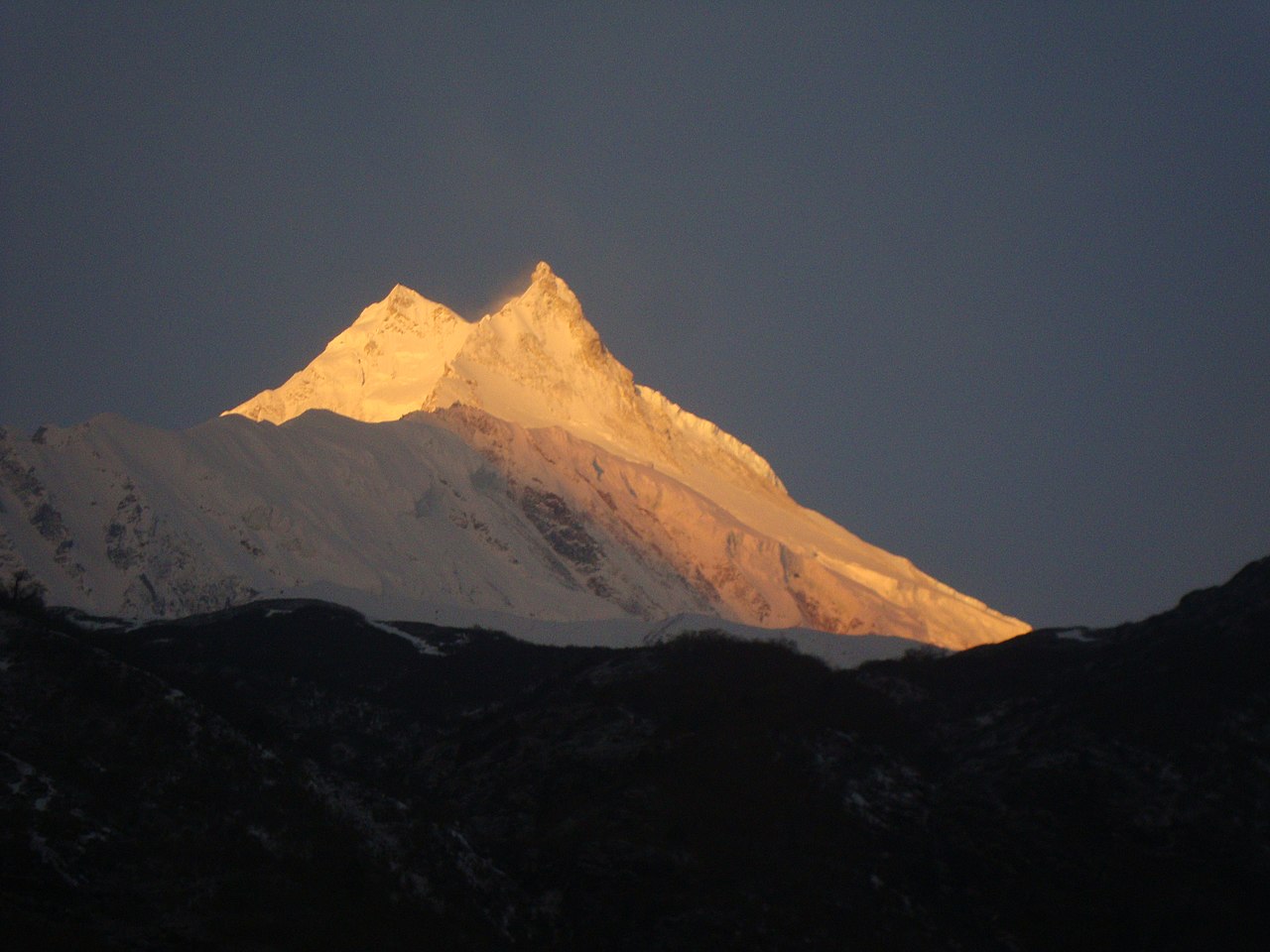
Manaslu (8,163 m) is the world's eighth-highest mountain in Nepal's Gorkha District. A dramatic Himalayan massif, it is known for its climbing history, cultural landscape and the popular Manaslu Circuit trek.
Overview
Manaslu (Nepali name: मनास्लु) rises to 8,163 metres (26,781 ft) and is ranked as the eighth-highest mountain on Earth (world ranking). The name is commonly rendered as "Manaslu," derived from a Sanskrit root often translated as mind, spirit or soul; some sources link the name to local spiritual associations (Sanskrit origin). The peak stands at the heart of Nepal's high Himalaya and is a prominent landmark for both mountaineers and trekkers.
Image gallery
10 Images




Geography and characteristics
Manaslu is the highest summit of the Mansiri Himal, a subrange of the Nepalese Himalaya, and lies in Gorkha District (location). Its massif features steep faces, long glaciers and complex ridges. Key characteristics include:
- Elevation: 8,163 m (26,781 ft).
- Terrain: glaciated slopes, sharp ridgelines and avalanche-prone couloirs.
- Climate: alpine conditions with heavy winter snowfall and seasonal monsoon influence.
History and mountaineering
The mountain was first successfully climbed in 1956 by a Japanese team; that ascent opened Manaslu to international alpinism. Since then it has attracted experienced Himalayan climbers, although the mountain is known for objective hazards such as avalanches and serac fall. Routes vary in technical difficulty; most parties follow an established glacier-and-ridge approach originally pioneered by early expeditions.
Trekking, culture and conservation
Below the high slopes, the Manaslu region supports villages with Tibetan-Buddhist cultural influence and traditional highland lifestyles. The Manaslu Circuit trek, which circumnavigates the massif and crosses a high pass, has become a popular alternative to more crowded trekking areas; permits and conservation measures are used to manage visitors. The surrounding conservation area protects biodiversity, traditional settlements and fragile alpine ecosystems.
Importance and notable facts
Manaslu combines natural grandeur, cultural richness and technical mountaineering challenge. It is an important destination for those seeking high-altitude climbing as well as trekkers wanting less-traveled Himalayan landscapes. Despite its popularity, the mountain retains serious risks and requires careful preparation, local knowledge and respect for environmental protections.
Related articles
Author
AlegsaOnline.com Manaslu — the eighth highest peak in the world Leandro Alegsa
URL: https://en.alegsaonline.com/art/61181
Sources
- tourism.gov.np : "Mountaineering in Nepal Facts & Figures"