
Highest mountains of the world: peaks above roughly 7,200 metres
Overview of the world's tallest mountains: distribution, measurement issues, criteria for listing, historical survey work, and why counts vary between lists.
The list of the world's highest mountains generally refers to peaks that rise to about 7,200 metres (approximately 23,600 feet) above sea level or higher. Most of these peaks are concentrated in central and southern Asia, notably in the Himalayan and Karakoram ranges, but tall mountains also occur in other ranges. Compilations vary: some lists count every named summit while others apply strict criteria for independence.
Image gallery
10 Images


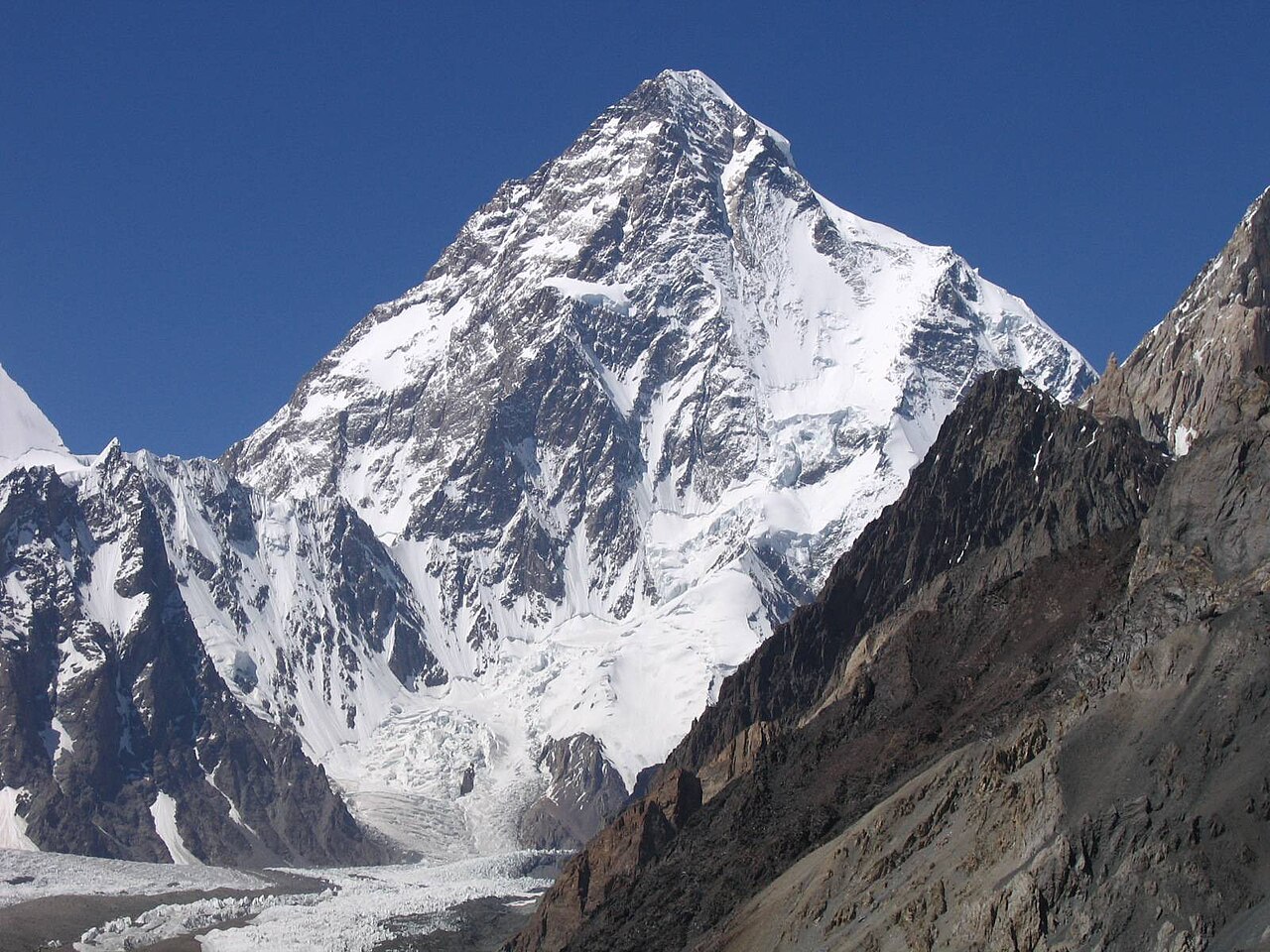
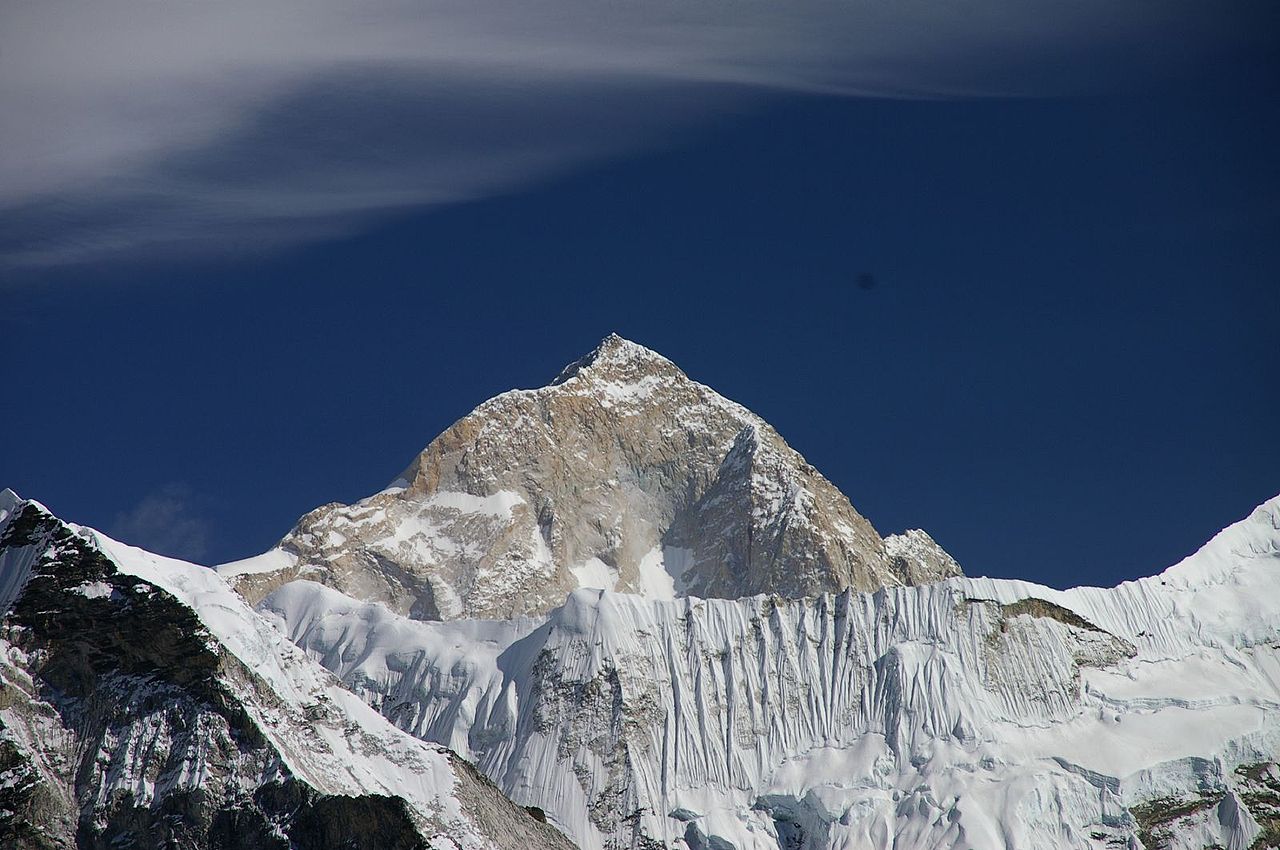


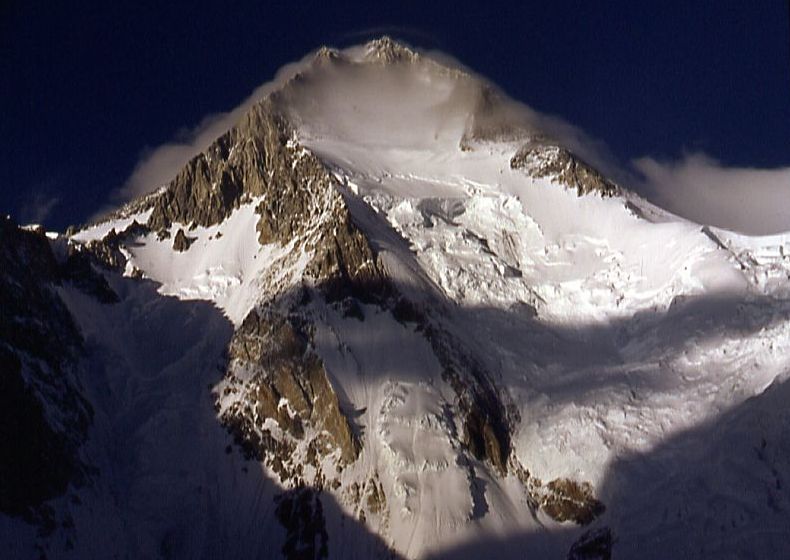
Defining a 'highest' mountain
Several related measures are used when identifying and ranking mountains. Elevation above mean sea level is the most common criterion, but prominence (the height of a peak relative to its surroundings) and topographic isolation (distance from a higher peak) influence whether a summit is treated as an independent mountain or a subsidiary top. Different lists adopt different prominence cutoffs, so the number of peaks above any threshold depends on those rules. For one compiled catalogue see the referenced source.
Measurement challenges and data sources
Determining exact elevations is complex. Traditional ground surveys, such as 19th- and 20th-century triangulation efforts, were succeeded by modern techniques including GPS, airborne lidar, and satellite altimetry. Natural processes—tectonic uplift, erosion, and glacial change—also alter heights over time. Because of these factors, reported elevations can be revised and disagreements persist between authorities. For technical notes on measurement methods consult this resource.
Geographic and cultural significance
Peaks among the world's highest have outsized roles in science, mountaineering, local culture, and ecology. They act as major watersheds, host unique alpine ecosystems, and attract climbers and tourists worldwide. Iconic summits such as Mount Everest and K2 exemplify both the physical extremes and the human stories attached to high mountains. Cultural values and naming conventions can vary by region and language, affecting how peaks are identified and listed.
Lists, distinctions and notable exceptions
When comparing 'highest' mountains it is important to distinguish several categories: highest by elevation above sea level, highest by base-to-peak height (local relief), and farthest from the Earth's centre. For example, volcanic islands measured from the ocean floor can exceed continental peaks in total height, and equatorial bulge makes certain Andean peaks slightly farther from Earth's centre than higher Himalayan summits. Because of these differing perspectives, multiple complementary lists exist. For a broader overview and cataloguing approaches see additional material.
In short, a "list of the highest mountains" is shaped by measurement practice, chosen thresholds for independence, and evolving geographic data. Counts of peaks above any fixed elevation are therefore not immutable and continue to be refined as surveying improves and landscapes change.
Questions and answers
Q: How many mountains on Earth are higher than 7,200 metres above sea level?
A: At least 109 mountains on Earth are higher than 7,200 metres (23,622 ft) above sea level.
Q: In which part of the world are most of the mountains that are higher than 7,200 metres located?
A: Most of the mountains that are higher than 7,200 metres are located in central or southern Asia.
Q: Why is it hard to measure how tall a mountain is?
A: It is hard to measure how tall a mountain is because of various factors such as weather, visibility, and technical challenges.
Q: Why may the measurements of the heights of the mountains on the list not be accurate?
A: The measurements of the heights of the mountains on the list may not be accurate because of the difficulties in measuring the exact height of a mountain.
Q: What is the minimum height for a mountain to be included in the list of highest mountains?
A: The minimum height for a mountain to be included in the list of highest mountains is 7,200 metres (23,622 ft) above sea level.
Q: What is the challenge in determining if two peaks close to each other are part of the same mountain or not?
A: The challenge in determining if two peaks close to each other are part of the same mountain or not is because there is no clear definition of what constitutes a mountain, and this may vary depending on the perspective of the observer.
Q: How many mountains on Earth are higher than 8,000 metres above sea level?
A: The text does not provide information on how many mountains on Earth are higher than 8,000 metres above sea level.
Related articles
Author
AlegsaOnline.com Highest mountains of the world: peaks above roughly 7,200 metres Leandro Alegsa
URL: https://en.alegsaonline.com/art/124739
Sources
- echidna.rutgers.edu : echidna.rutgers.edu
- sol.co.uk : sol.co.uk/v/viewfinder/elevmisquotes.html
- peaklist.org : this website
- alpine-club.org.uk : Alpine Club Himalayan index
- everesthistory.com : everesthistory.com