
Matterhorn — Iconic Alpine peak on the Switzerland–Italy border
The Matterhorn (4,478 m) is a distinctive pyramid-shaped mountain in the Pennine Alps on the Swiss–Italian border, famed for climbing history, geology, and its role in alpine tourism and culture.
Overview
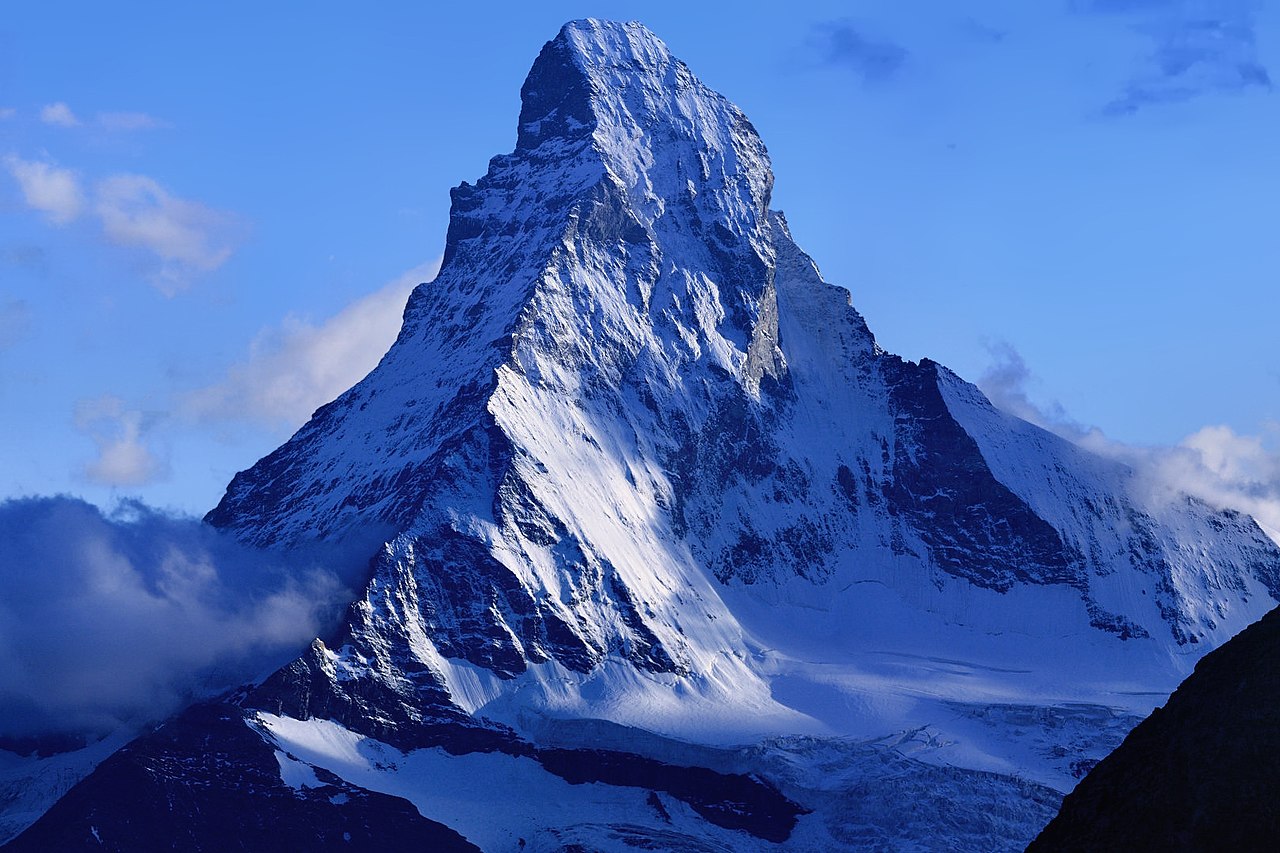
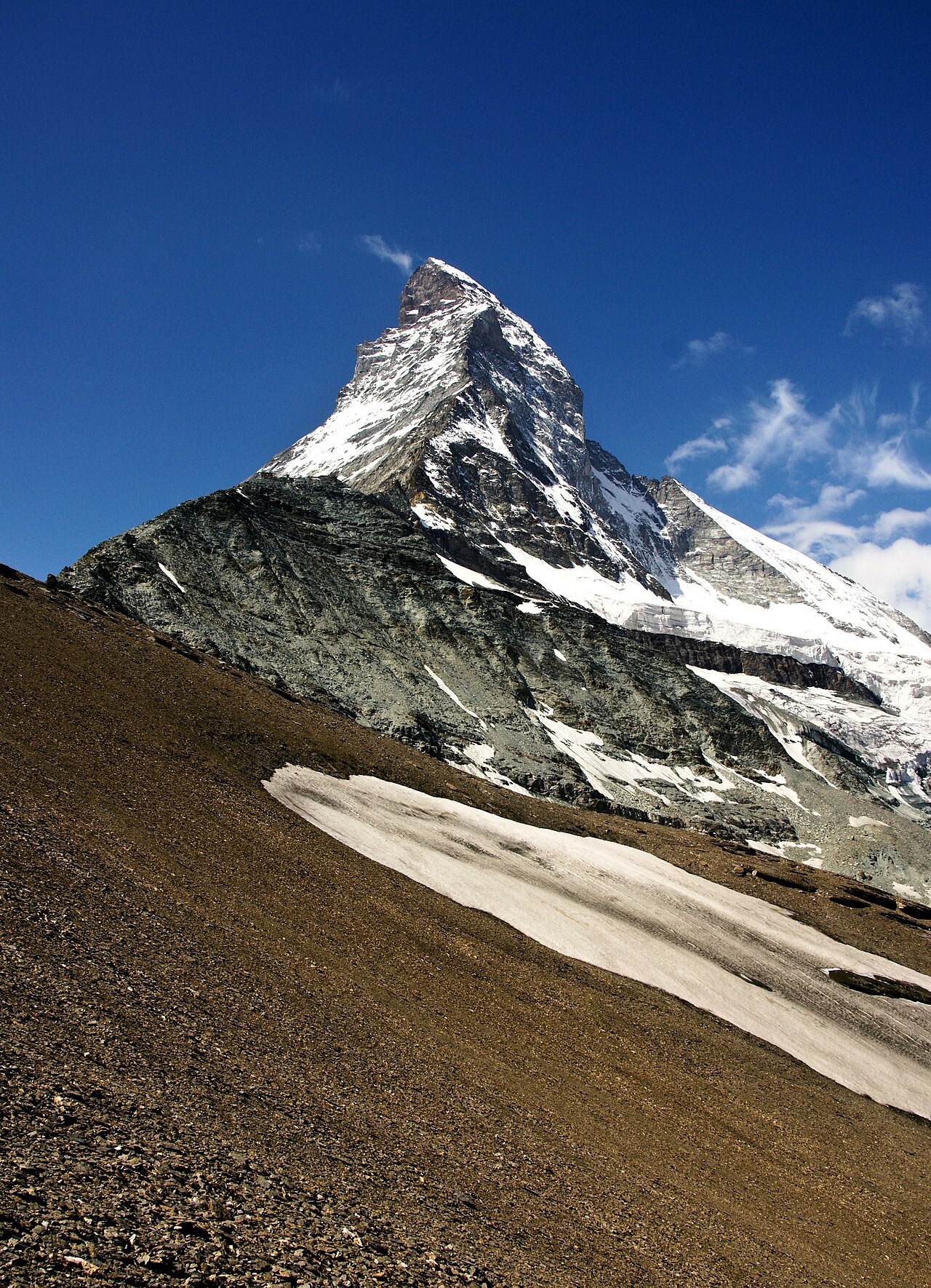
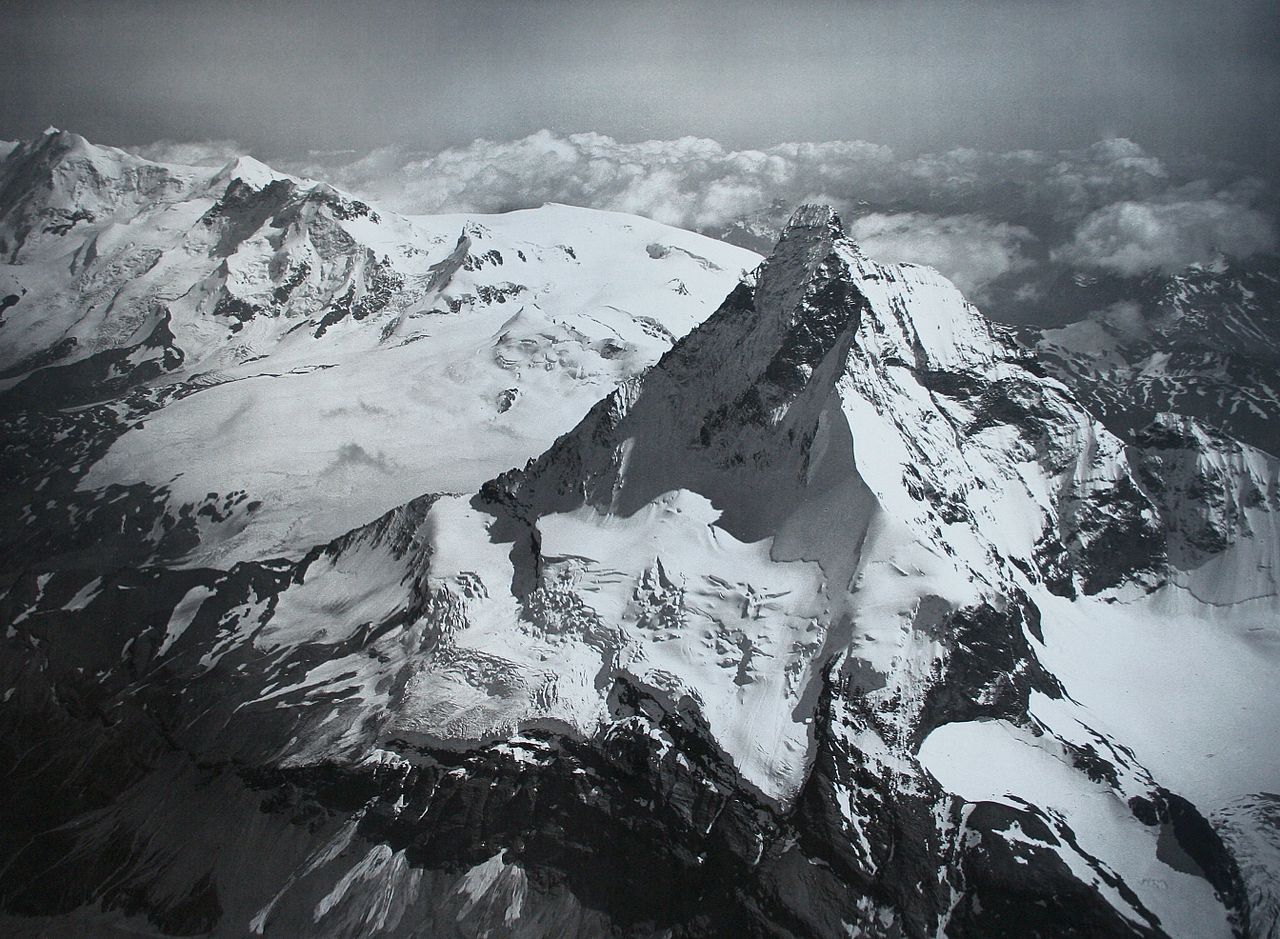
The Matterhorn is a striking pyramid-shaped mountain in the Pennine Alps, rising to 4,478 metres. Straddling the international boundary between Switzerland and Italy, it overlooks the Swiss resort of Zermatt and the Italian village of Breuil-Cervinia in the Val Tournanche. The peak is widely recognised as one of the most famous 4,000‑metre summits of the European Alps (Alps), admired for its near-symmetrical ridges and steep faces.
Image gallery
10 Images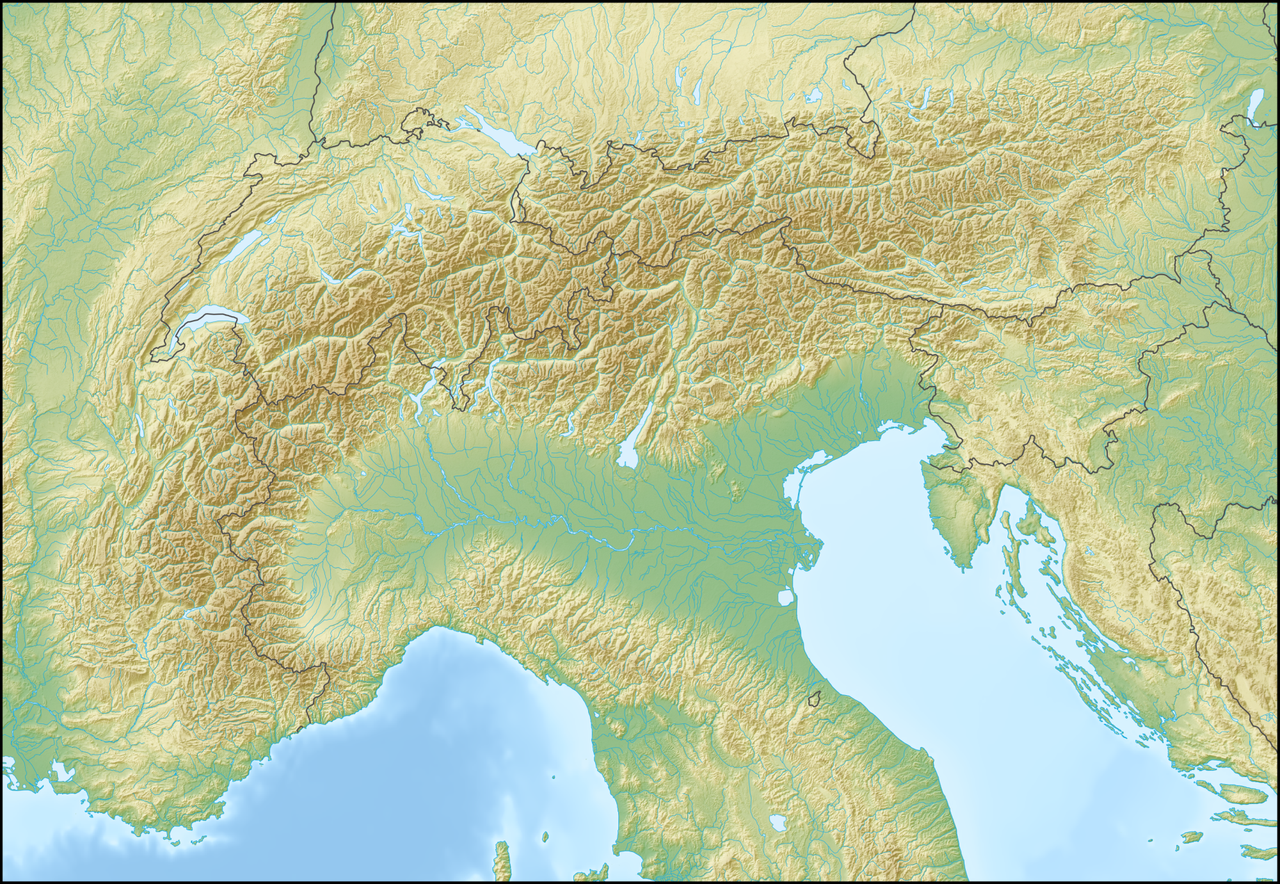



Names and Etymology
The mountain is known by several names in local languages: the German name is Matterhorn, the Italian Cervino, and the French Mont Cervin. The German name combines Matte ( meadow or valley ) and Horn (peak), reflecting the landscape below.
Geology and Form
Its distinctive shape is the product of glacial carving and long-term uplift during the collision of the African and Eurasian plates. The Matterhorn belongs to the Pennine massif and exposes metamorphic and sedimentary rocks that have been folded and thrust during mountain building. Glaciation sculpted the four steep ridges that join at the summit, giving the mountain its classic pyramidal silhouette visible from many directions.
Climbing History and Routes
The summit was first reached in 1865 in a climb that became as famous for its success as for the tragedy on the descent. The event marked a turning point in alpine mountaineering, drawing international attention to the region. Today the Hörnli Ridge is the normal (easiest) route on the Swiss side; other classic lines include the Lion (Italian) Ridge and several more technical rock or mixed routes. Climbs require alpine experience and preparation; conditions can change rapidly.
Tourism, Access and Safety
The Matterhorn is a major draw for tourists and climbers. Zermatt and Breuil-Cervinia provide cable cars, lifts, mountain huts and guiding services for hikers, skiers and climbers. Visitors should plan according to season, weather and personal ability. Rescue services operate in the region and climbers are advised to use local guides for unfamiliar routes.
Significance and Notable Facts
- Height: 4,478 m (elevation reference).
- Border: the summit lies on the line between Switzerland and Italy.
- Cultural icon: the mountain is an emblem of Swiss alpine tourism and appears widely in art, advertising and mountaineering literature.
- Further reading and resources: see regional guides and local authorities for up-to-date route and safety information (rankings and lists).
For practical planning, consult official mountain guides, the visitor centres in Zermatt and Breuil-Cervinia, and published route descriptions. The Matterhorn remains both a cherished natural landmark and a demanding objective for mountaineers.
Related articles
Author
AlegsaOnline.com Matterhorn — Iconic Alpine peak on the Switzerland–Italy border Leandro Alegsa
URL: https://en.alegsaonline.com/art/62883
Sources
- shop.swisstopo.admin.ch : "Commune Zermatt"
- s.geo.admin.ch : Matterhorn peak
- pf.nhk-ep.co.jp : "Matterhorn: Majestic Peak that Pierces the Sky -- Switzerland, 4,478 m"
- swissworld.org : Swiss Mountains - Names
- ii.uib.no : a panoramic photograph