
Meander (river bend): formation, evolution, and significance
A meander is a pronounced bend in a river channel formed by erosion and deposition. This article explains how meanders form, change over time, their ecological and human impacts, and notable examples.
Overview
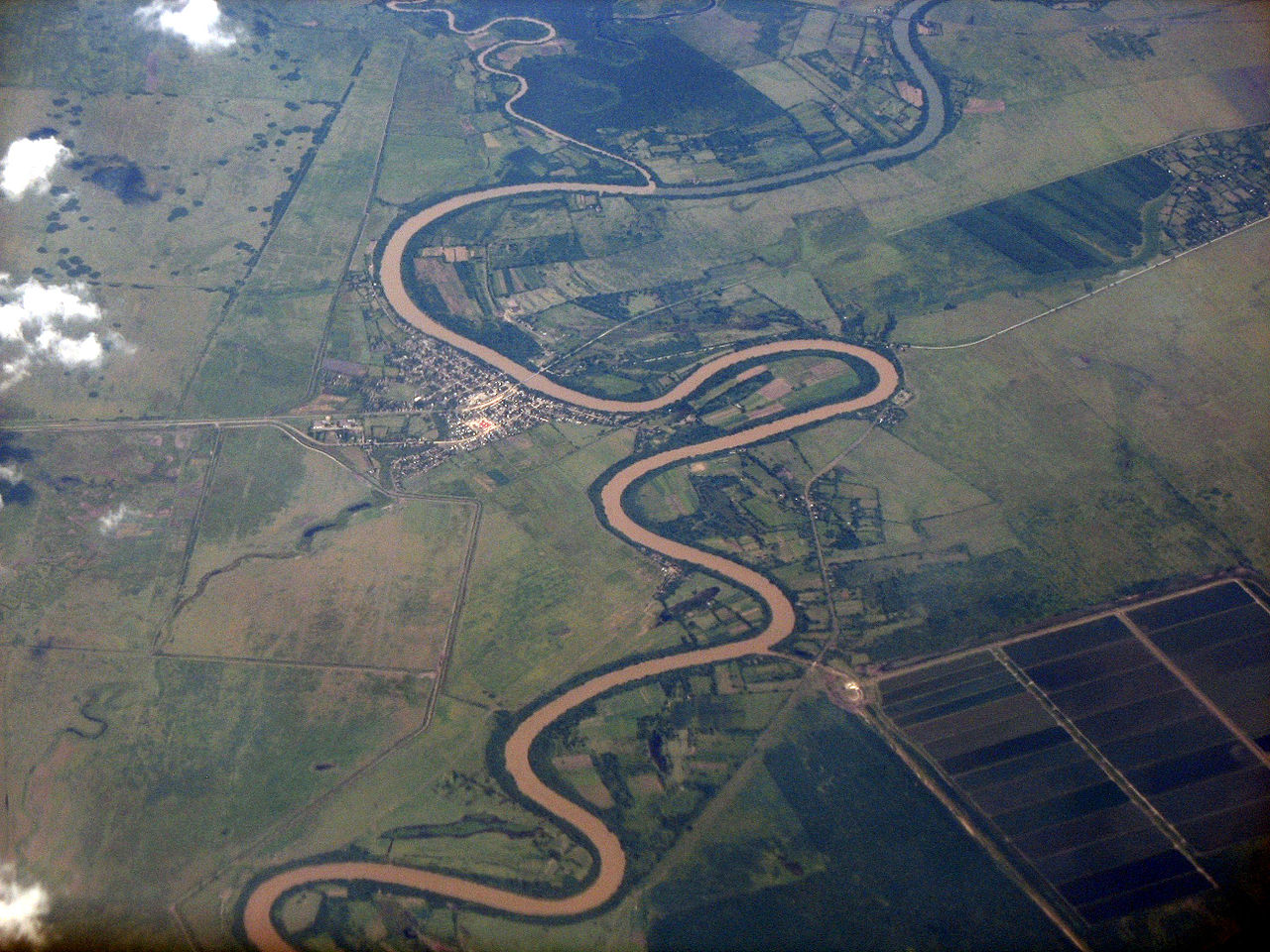
A meander is a winding curve or bend in a river channel that develops where a watercourse flows across a relatively flat valley or floodplain. Meanders create a sinuous, snake-like pattern as the stream migrates laterally. The term itself comes from the ancient name of a famous winding river in Anatolia, reflecting how these distinctive loops have long impressed observers.
Image gallery
10 Images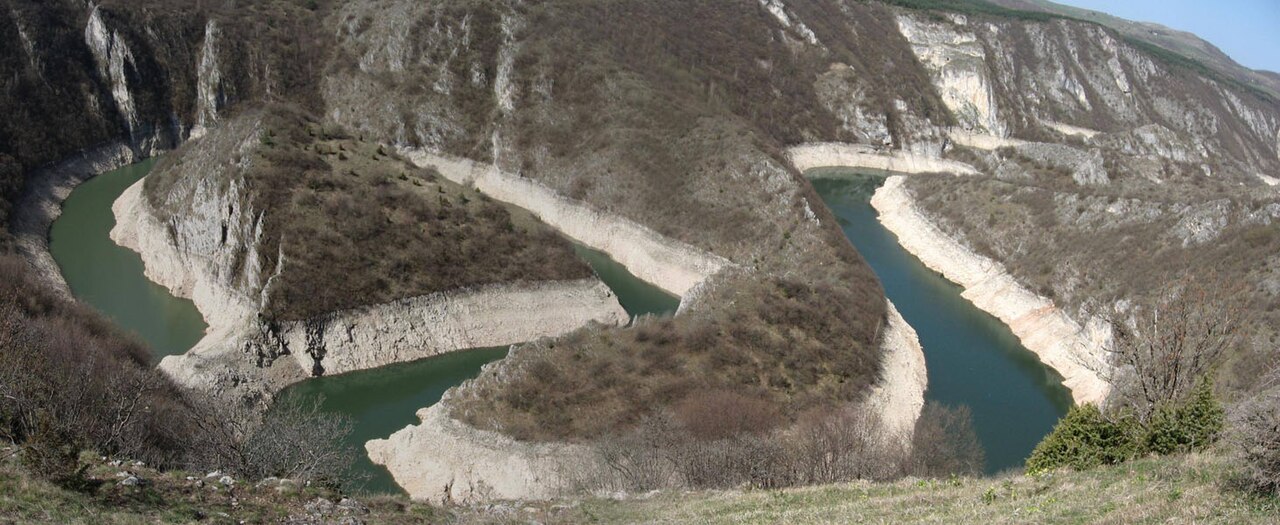




How meanders form
Meanders arise from small irregularities in flow velocity and channel shape that amplify over time. Water in a bend moves faster along the outside bank and slower along the inside bank. Faster flow increases erosive forces (hydraulic action and abrasion) on the outer bank, while slower flow encourages deposition on the inner bank. The continual pattern of erosion and deposition causes bends to grow and migrate.
- Erosion at the outer bank forms a steep cut bank or river cliff.
- Deposition on the inner bank builds a gently sloping point bar made of sediment.
- Secondary currents and helicoidal flow transport material from outer to inner banks, reinforcing the bend.
Morphology and long-term evolution
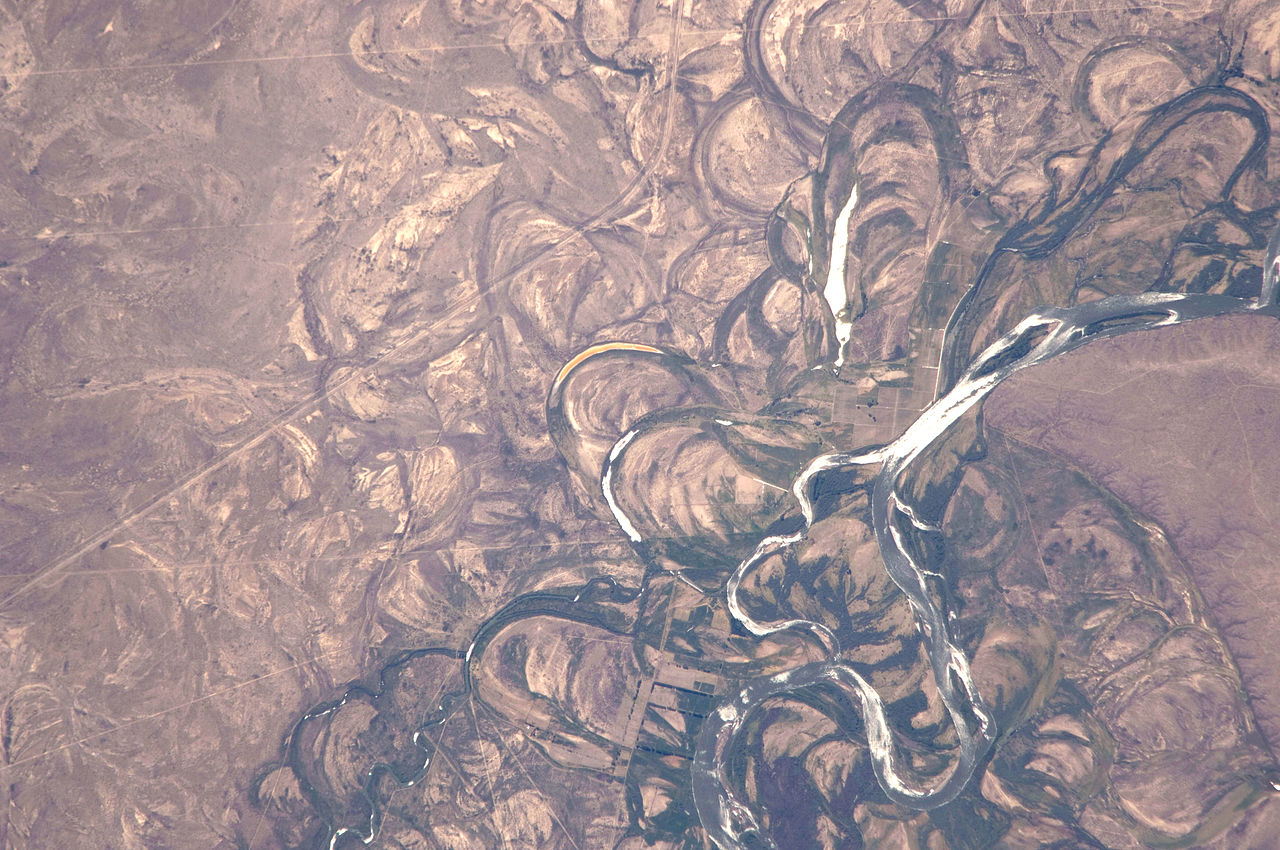
As meanders enlarge they may approach adjacent bends. If erosion breaches the narrow neck between two loops, the river can cut a shorter course and abandon the longer loop. This cutoff process leaves an isolated crescent-shaped water body known as an oxbow lake. Over time oxbow lakes may fill with sediment and vegetation to become meander scars in the floodplain.
Controlling factors and variability
The shape and behavior of meanders depend on several interacting factors, including channel slope, discharge (volume and velocity of flow), sediment load and grain size, bank material and vegetation, and the regional base level (sea or lake level). Meanders are most common where a river has a low gradient and abundant fine sediment. Channels with coarse bedload or highly variable discharge may develop braided rather than meandering patterns.
Ecological and human significance
Meandering rivers create diverse habitats: deep pools, shallow point bars, oxbow lakes, and seasonally inundated floodplains support fish, birds, and riparian vegetation. Floodplain soils often become fertile because of periodic deposition of fine sediments, making such areas attractive for agriculture. Conversely, meanders can complicate navigation, increase flood risk, and influence infrastructure siting. Humans have altered meanders by straightening, channelizing, or reinforcing banks to reduce flooding and improve transport, but such interventions often change sediment dynamics and ecological function.
Notable facts and contrasts
Meandering is a widespread fluvial pattern observed on scales from small streams to large rivers such as the Mississippi and Amazon, though exact form varies with climate and geology. Meanders contrast with braided channels, where multiple shallow threads weave across a wide bed. In many landscapes meander migration is an ongoing natural process that records the history of river movement across a floodplain and shapes long-term landscape evolution.
For further general information on river processes and terminology visit river resources or regional studies such as those that discuss the historical Maeander in Anatolia. Technical discussions of sediment transport and channel change often cite concepts linked to sediment dynamics and cutoff formation leading to oxbow lakes.
Related articles
Author
AlegsaOnline.com Meander (river bend): formation, evolution, and significance Leandro Alegsa
URL: https://en.alegsaonline.com/art/63323