
Marojejy National Park, Madagascar
A remote protected area in northeastern Madagascar known for steep rainforest, high biodiversity and endemic species — including rare lemurs — and for its importance to conservation and scientific study.
Overview
Marojejy National Park is a protected mountainous reserve in northeastern Madagascar. The park preserves a range of rainforest habitats from humid lowlands to mossy montane forest and dramatic ridgelines. Its steep terrain and relative isolation have helped conserve a rich mix of species found nowhere else on Earth.
Image gallery
10 Images


Landscapes and habitats
The park encompasses valleys, rivers, waterfalls and high forested peaks. Vegetation changes with altitude, producing distinct bands of forest: lowland rainforest, mid-elevation rainforest and cloud-forest on the higher slopes. This vertical diversity creates many ecological niches for plants and animals.
Ecology and wildlife
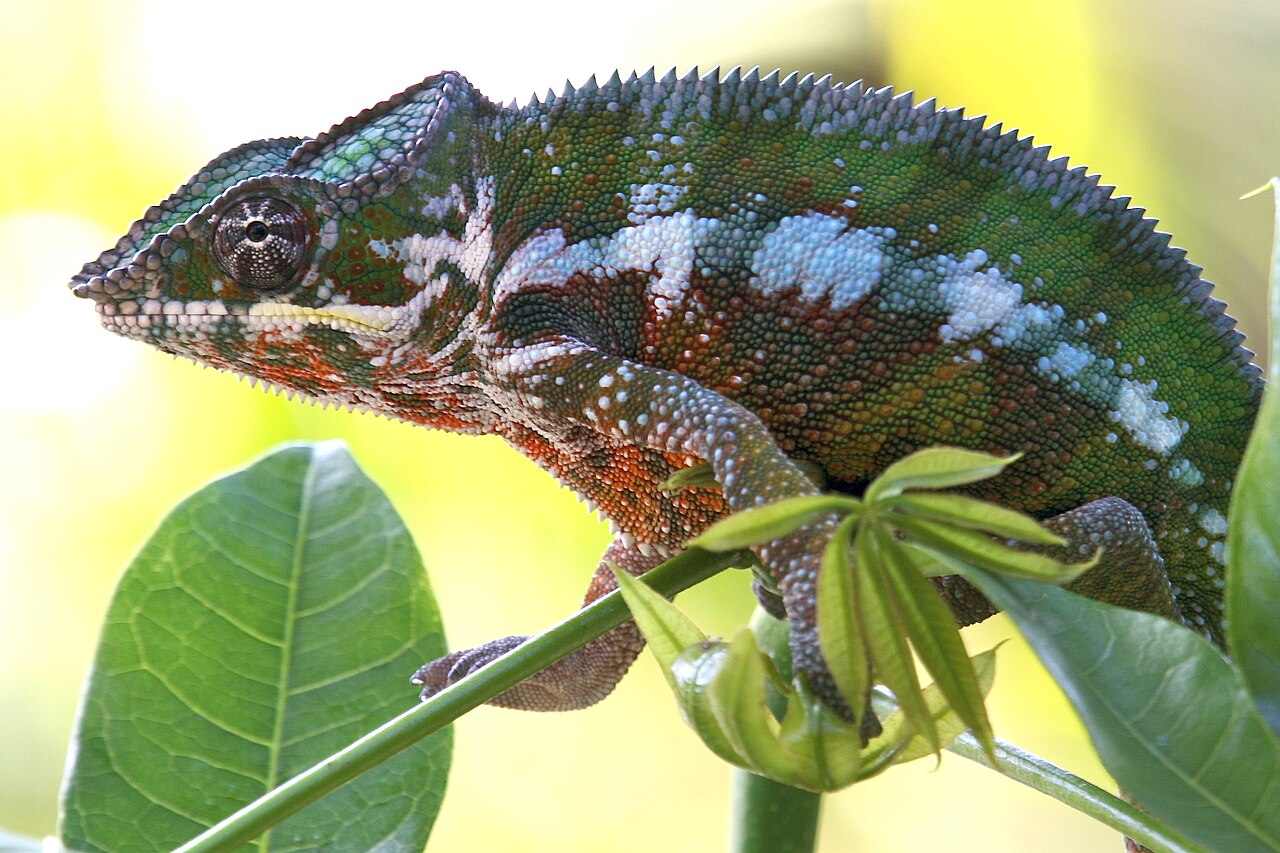
Marojejy supports an exceptional variety of life, with numerous endemic plants, orchids and palms alongside a diverse fauna. It is notable for several lemur species, including the critically endangered silky sifaka, as well as many birds, amphibians and reptiles adapted to humid forest conditions. The park is also valued for its botanical richness and species that are important for evolutionary and ecological research.
Key features
- Steep, rugged terrain with altitudinal zones of forest
- High levels of endemism among plants and animals
- Cultural and subsistence connections with nearby communities
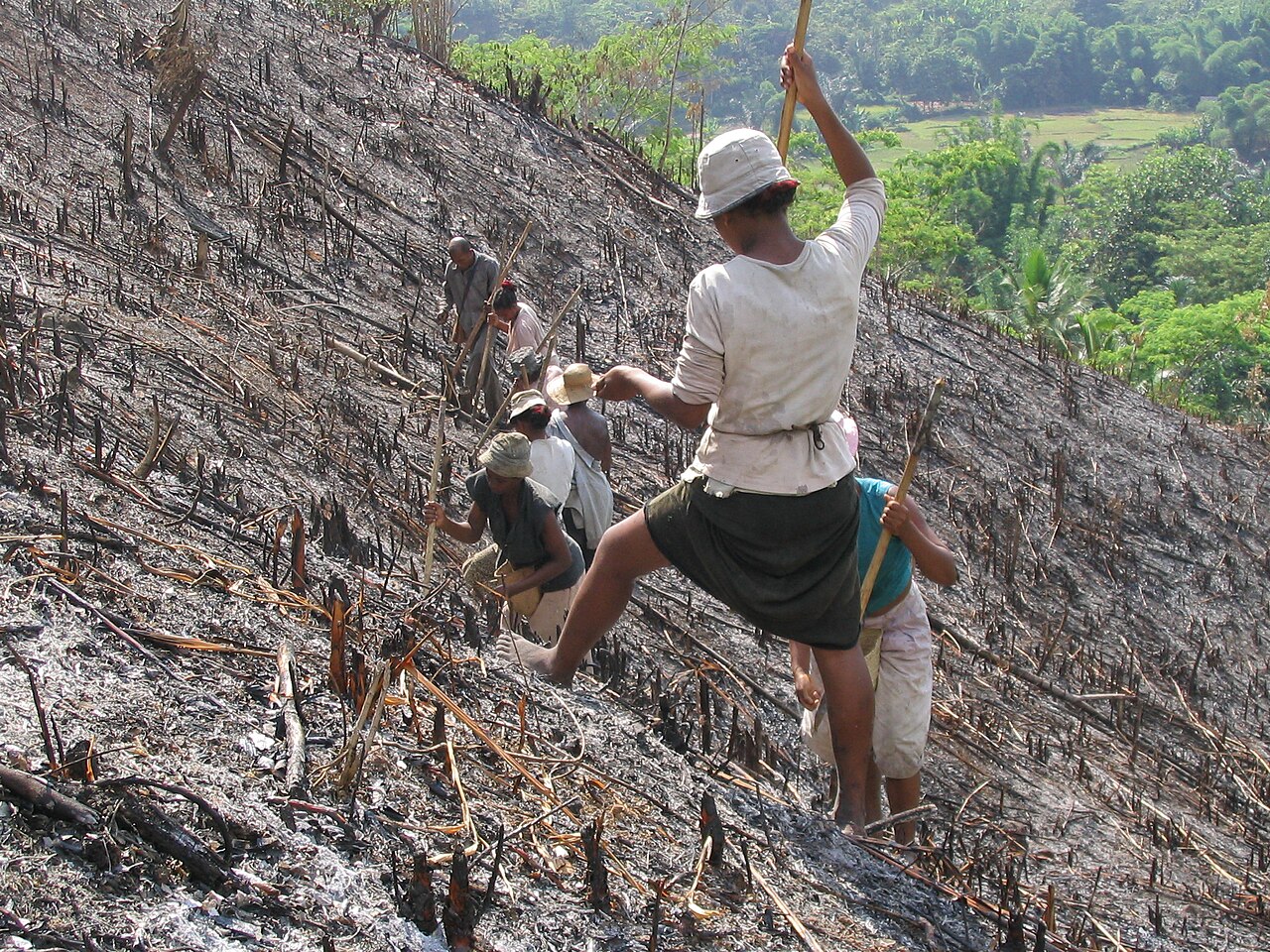
The park was created to protect these resources and is managed to balance conservation with local livelihoods. Research programs and monitoring help guide management, while community initiatives aim to reduce pressures such as shifting agriculture and hunting.
Visiting and conservation issues
Marojejy attracts researchers and adventurous visitors who trek established trails and use basic campsites. Access can be difficult due to remoteness and rugged trails; guided trips are recommended. Ongoing threats include habitat loss at the forest edge and human pressures on wildlife, so conservation actions focus on habitat protection, sustainable alternatives for local people and scientific study. For practical information and official guidance consult the park authorities or an authoritative site such as the park's information page.
Marojejy remains a flagship area for Madagascar's conservation: a place where unique biodiversity, challenging terrain and community-based stewardship intersect, offering vital opportunities for research, education and nature tourism.
Related articles
Author
AlegsaOnline.com Marojejy National Park, Madagascar Leandro Alegsa
URL: https://en.alegsaonline.com/art/62194