
Manuel Antonio National Park
A small but biodiverse national park on Costa Rica’s central Pacific coast, famed for white‑sand beaches, rainforest trails and abundant wildlife. Popular for hiking, wildlife viewing, snorkeling and education.
Overview
Manuel Antonio National Park is a compact protected area on Costa Rica’s central Pacific shoreline. Despite its modest size it is celebrated for the juxtaposition of tropical rainforest and sandy beaches, which support a high diversity of species and attract large numbers of visitors each year. The park is promoted internationally and frequently appears on lists of scenic and accessible natural areas; visitors can find official information on the park’s management via the park’s information pages.
Image gallery
10 Images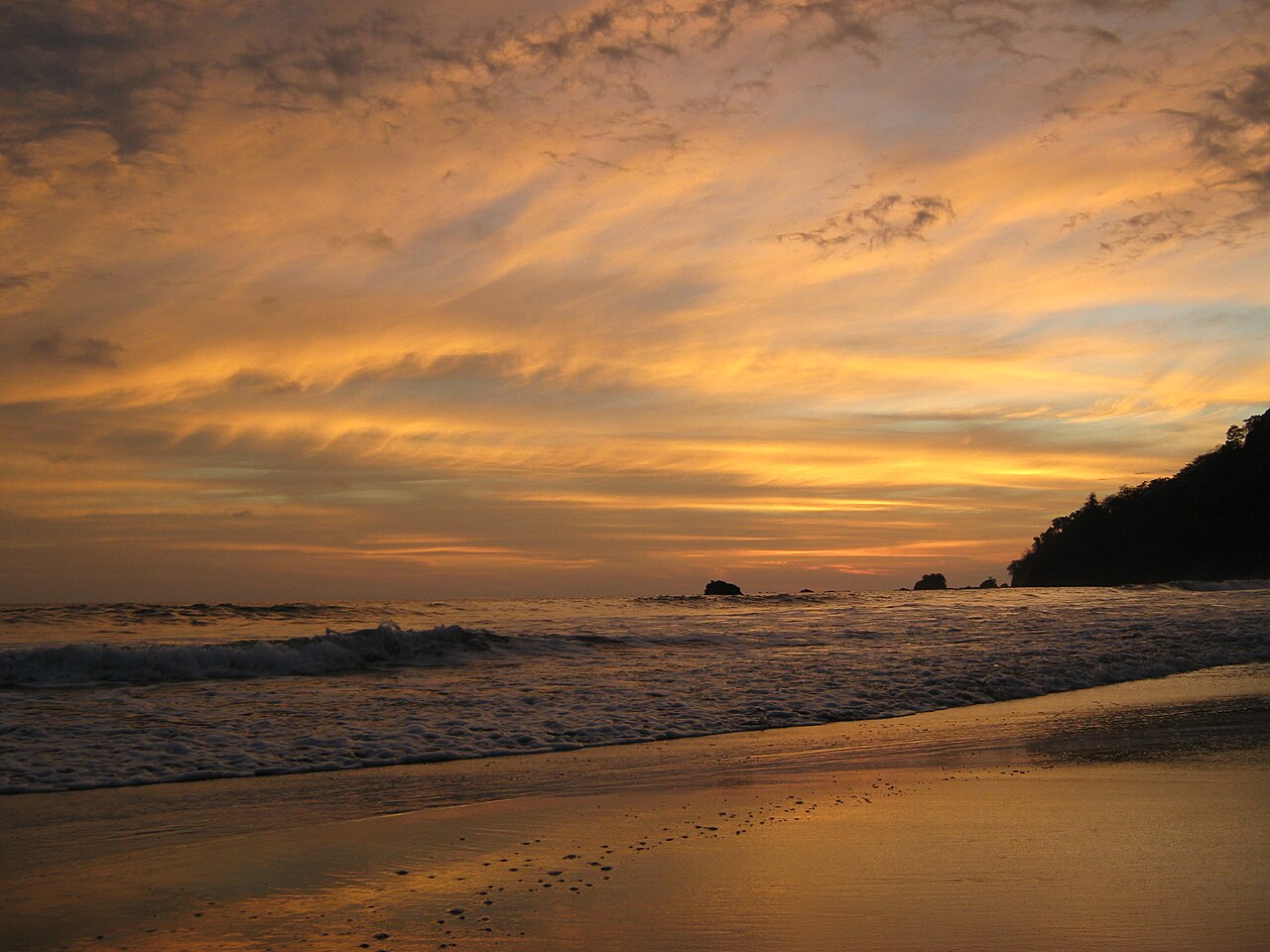


Location and environment
The park lies close to the town of Quepos in the Puntarenas region and protects a stretch of coastal habitat that includes primary and secondary rainforest, rocky headlands and several small beaches. Marine areas adjacent to the shoreline host tide pools and nearshore waters used by fish, crustaceans and other marine life. The mix of ecosystems creates many microhabitats within a relatively small footprint. For broader travel and regional context see general Costa Rica tourism resources at local travel guides.
Flora and fauna
Vegetation ranges from tall canopy trees in the rainforest interior to beach grasses and coastal shrubland. Wildlife is a major draw: visitors commonly encounter monkeys (howler and capuchin), sloths, iguanas and a rich bird community. The park is also known for reptiles such as the Common basilisk and for diverse insect life. For curated species lists and natural history details consult the park’s species guides and research summaries at species information resources.
- Typical mammals: two‑ and three‑toed sloths, white‑faced capuchins, howler monkeys.
- Birds and reptiles: toucans, kingfishers, basilisk lizards and various raptors.
- Coastal life: shorebirds, reef fish and intertidal invertebrates.
History and conservation
The area was set aside for protection in the early 1970s and has since been managed to balance conservation goals with public access. Its relatively small area makes careful management essential: trails, visitor facilities and ranger presence aim to limit human impact while allowing meaningful encounters with wildlife. Conservation work focuses on habitat protection, research cooperation and environmental education for local communities and visitors.
Visiting and activities
Popular activities include guided wildlife walks, beach visits, photography and snorkeling in calm nearshore waters. Because wildlife is most active in the morning, guided tours and early entry are recommended for better sightings. The park’s proximity to Quepos makes it accessible as a day trip; visitors should respect regulations, keep to marked trails and follow park guidance to reduce disturbance to animals.
Notable facts
Manuel Antonio is notable for combining easy visitor access with impressive biodiversity and scenic beaches, a combination that has earned it international recognition in travel and conservation circles. Its popularity highlights the ongoing challenge of protecting fragile habitats while supporting sustainable tourism.
Related articles
Author
AlegsaOnline.com Manuel Antonio National Park Leandro Alegsa
URL: https://en.alegsaonline.com/art/61455
Sources
- forbes.com : "The World's Most Beautiful National Parks"