
Meadow: a grass-dominated open habitat and its uses
A meadow is an open habitat dominated by grasses and other herbaceous plants. This article explains its characteristics, origins, management, ecological roles and distinctions from other grasslands.
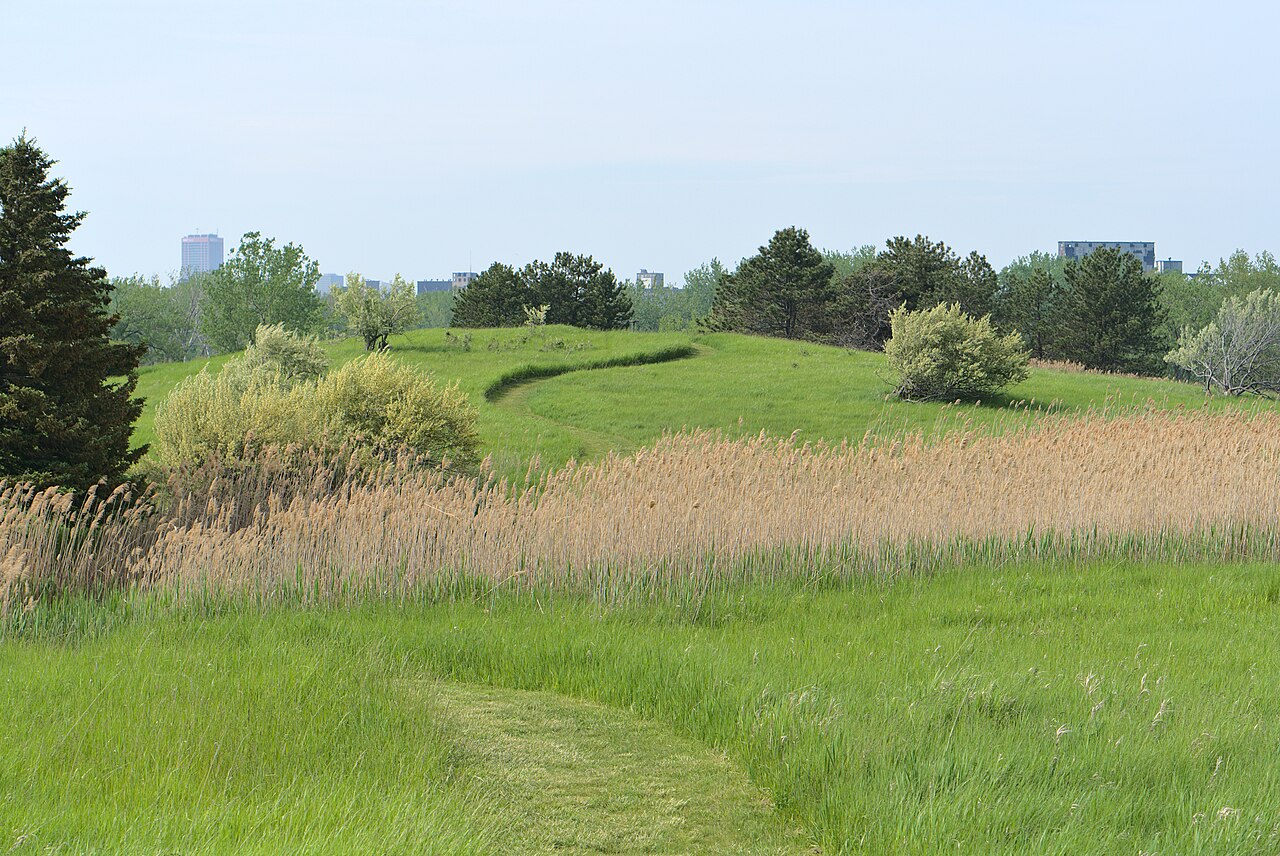
A meadow is an open area where the plant community is composed mainly of grasses and other non-woody (herbaceous) species. Meadows occur in a range of climates and can be natural, semi-natural or created by people. They are often valued for their floral diversity, scenic qualities and the wildlife they support.
Image gallery
10 Images


Characteristics
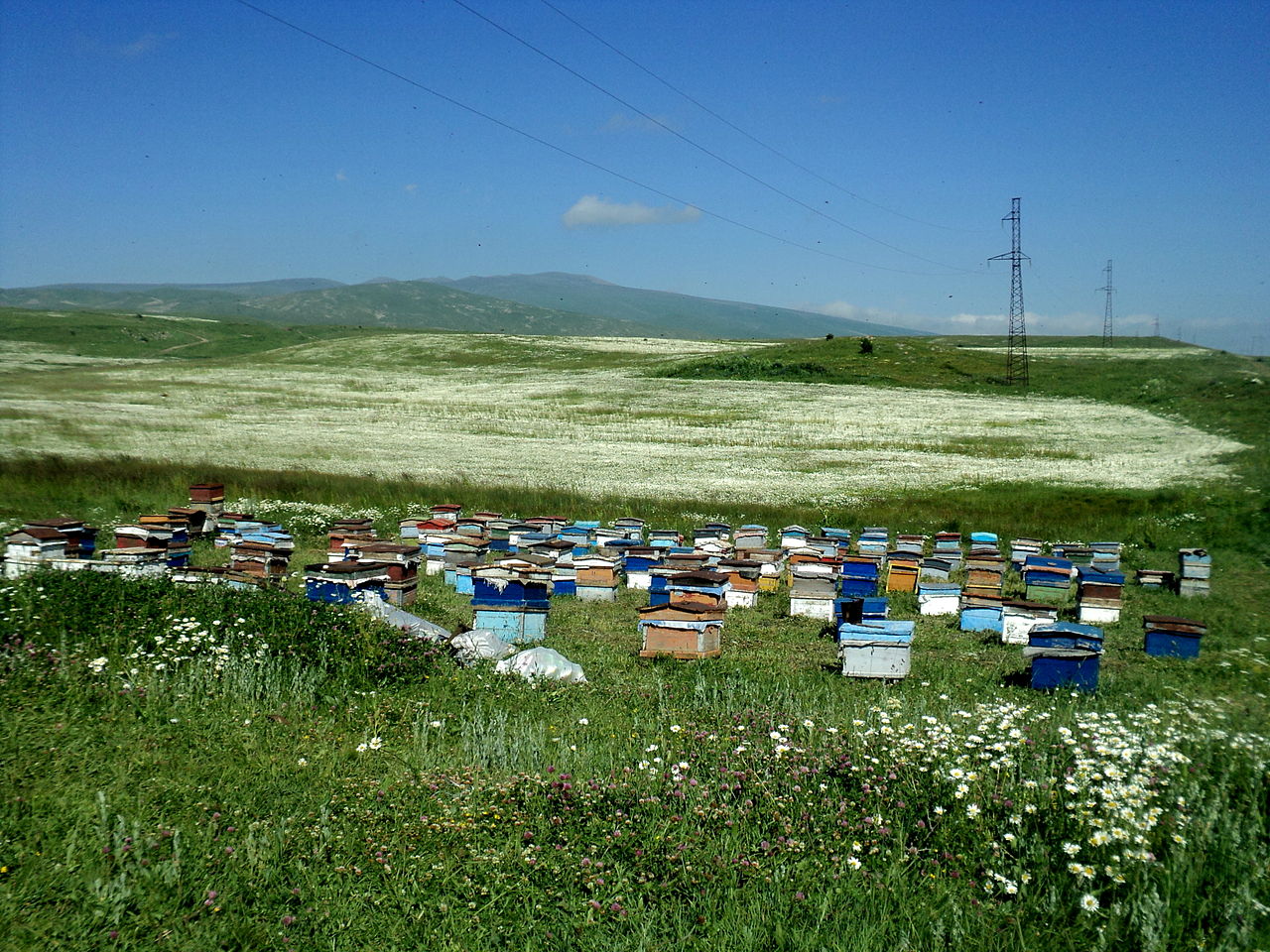
Typical meadow features include a dominance of grasses with a rich understory of wildflowers, sedges and broad-leaved herbs. Soils, moisture regimes and disturbance history influence which species appear. Human management such as mowing or grazing keeps shrubs and trees from taking over and maintains the open structure.
- Dominant plants: grasses and forbs
- Common uses: cutting for hay or grazing
- Animals: managed for livestock or wildlife
History and formation
Meadows have arisen both through natural processes—floodplain dynamics, soil conditions and periodic fires—and through long-term human activities such as pastoralism and haymaking. In many temperate regions, traditional agricultural practices created species-rich meadows that declined after industrial farming intensified.
Management and uses
Management methods vary with goals: biological conservation, forage production or aesthetic landscaping. Mowing once or twice a year, seasonal grazing by animals like cattle or sheep, and controlled burning are common techniques. Well-managed meadows provide hay, grazing, recreational space and habitat for pollinators.
Ecological importance
Meadows support pollinators, ground-nesting birds, small mammals and a diversity of plants. They can contribute to soil health and carbon storage at a landscape scale and act as corridors between other semi-natural habitats. Restoring or maintaining meadows is a cost-effective way to boost local biodiversity.
Distinctions and notable facts
Although often grouped with grasslands, meadows are distinguished by their management regime and plant composition; they tend to be more flowery and are frequently temporary or seasonally maintained. Terms such as pasture, prairie or steppe describe related but ecologically distinct types of grassy landscapes.
Related articles
Author
AlegsaOnline.com Meadow: a grass-dominated open habitat and its uses Leandro Alegsa
URL: https://en.alegsaonline.com/art/63308
Sources
- counties.cce.cornell.edu : Cornell University
- azcentral.com : The Washington Post, "Today, 32,000 seedlings; tomorrow, a meadow"