
Nepali language — overview, history, writing, and distribution
An encyclopedic overview of the Nepali language: origins, writing system, geographic distribution, linguistic features, official status and cultural importance across South Asia.
Overview
Nepali (also historically called Gorkhali or Khaskura) is an Indo-Aryan language spoken across the Himalayan region and parts of South Asia. It functions as the principal language of the modern nation-state of Nepal and holds an official role in several jurisdictions. Beyond Nepal it is widely used in northern and eastern India, Bhutan, and among diaspora communities abroad. Although closely related to other Indo-Aryan languages, Nepali has distinctive phonology, vocabulary and regional varieties shaped by local Himalayan languages.
Image gallery
7 Images



Characteristics and structure
Nepali belongs to the Indo-Aryan branch of the Indo-European family and traces much of its vocabulary and grammatical patterns to older forms derived from Sanskrit. Typical syntactic features include subject–object–verb order, use of postpositions rather than prepositions, and a system of verbal inflection for tense and mood. Nepali has a range of dialects and registers: colloquial speech, formal literary forms, and regional accents influenced by neighboring Tibeto-Burman languages.
Writing system and relationship to nearby languages
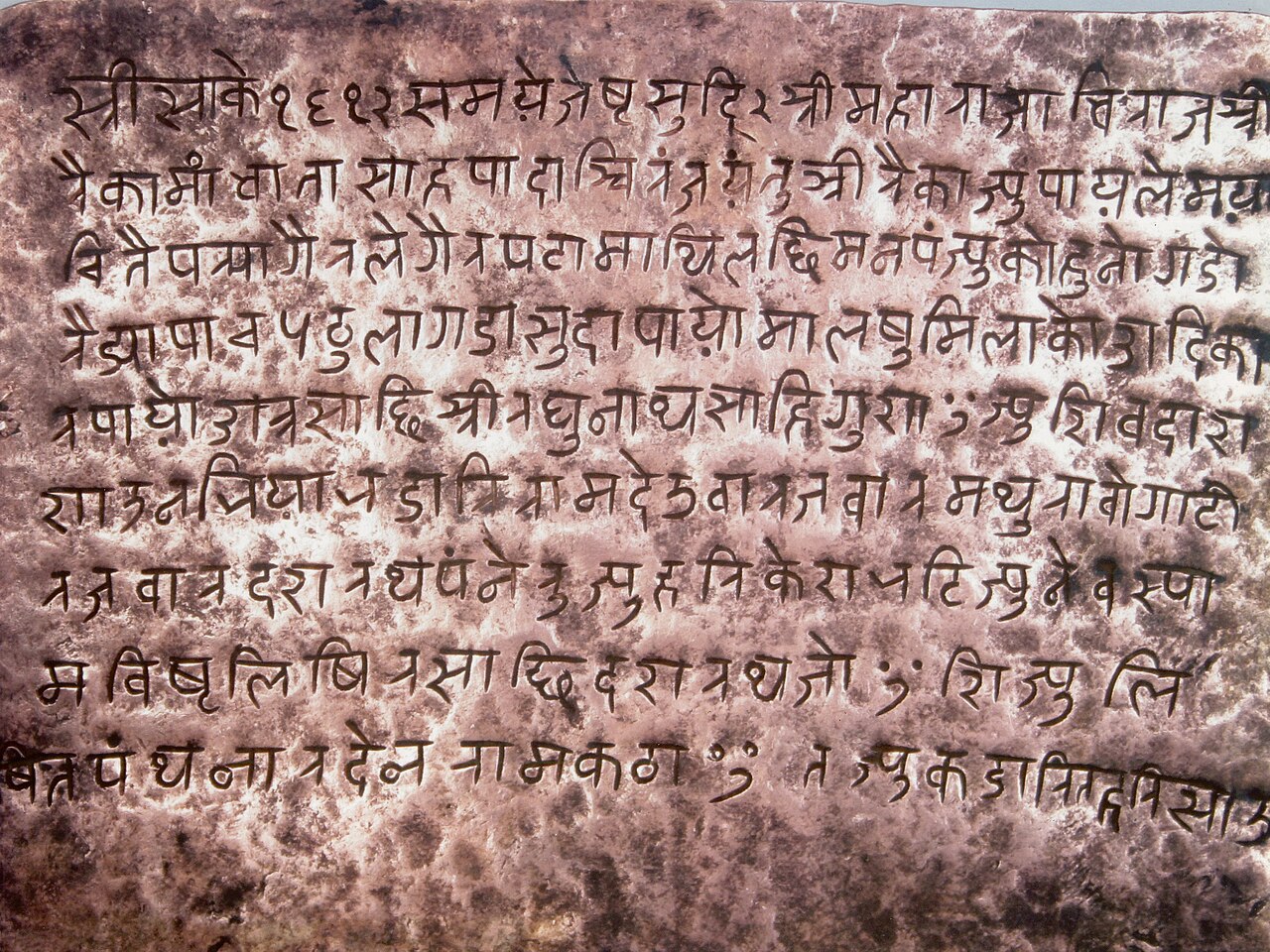
Nepali is conventionally written in the Devanagari script, which it shares with several other South Asian languages, including Hindi. Devanagari provides a phonetic orthography for Nepali and has supported its modern literary development, newspapers, education, and broadcasting. While Nepali and Hindi are mutually intelligible to varying degrees at the basic lexical level, each has distinct grammar, idioms and regional vocabulary.
History and development
The language developed from the Khasa variety of the medieval western Himalayas and gradually incorporated elements from Sanskrit-derived Prakrits as well as local Tibeto-Burman substrates. Over centuries it evolved into a written literary language and, in the 19th and 20th centuries, into a vehicle for modern administration and national culture. The name Gorkhali reflects its association with the kingdom of Gorkha, whose expansion helped spread the language across the region.
Distribution, official status and recognition
In addition to being the primary language of Nepal, Nepali has official recognition or significant presence in neighbouring countries. It is a recognized language in parts of India, including the state of Sikkim and areas of West Bengal, and is spoken among communities in Bhutan and parts of Myanmar. Governments and educational systems in these areas use Nepali in schools, local media and public life to varying degrees.
Uses, literature and cultural importance
Nepali serves as a lingua franca within Nepal and among Nepali-speaking communities abroad. It is used in government, education, print and broadcast media, and in contemporary literature and song. Modern Nepali literature includes poetry, novels and journalism; the language has been central to national identity, political discourse and cultural expression.
Key facts and distinctions
- Alternate names: Gorkhali, Khaskura.
- Script: Devanagari (Devanagari).
- Family: Indo-Aryan, related to Sanskrit and neighbouring Indo-Aryan languages such as Hindi.
- Regions: Predominantly Nepal, parts of India (including Sikkim and West Bengal), pockets in Bhutan and neighboring areas.
- Modern role: Official language in Nepal and used in education, media and administration across its speech area.
For further study, readers can consult linguistic surveys, modern grammars and collections of Nepali literature to understand regional variation, orthographic norms and ongoing language change in the Himalayan region.
Related articles
Author
AlegsaOnline.com Nepali language — overview, history, writing, and distribution Leandro Alegsa
URL: https://en.alegsaonline.com/art/69178
Sources
- ethnologue.com : Nepali
- ethnologue.com : Nepali
- ethnologue.com : Doteli
- glottolog.org : "Nepali [1]"
- glottolog.org : "Nepali [2]"