
Porridge: cooked cereal dish, varieties, preparation and cultural notes
Porridge is a warm dish of boiled cereals (commonly oats) eaten worldwide for breakfast and as restorative food. This article covers ingredients, preparation, regional varieties, nutrition and historical context.
Overview
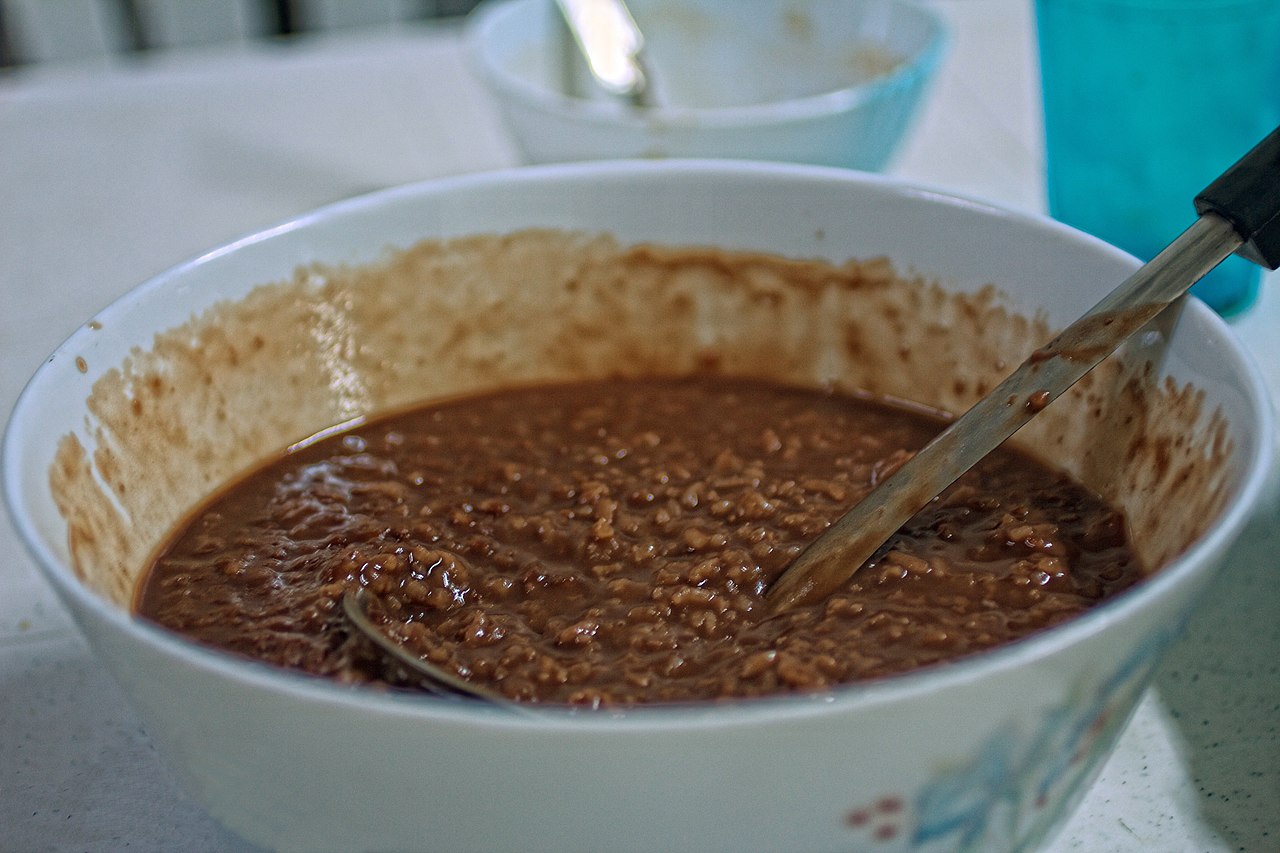
Porridge is a simple cooked dish made by simmering a starchy cereal—most commonly oats—in water, water and/or milk until it thickens. It is normally eaten hot from a bowl and served with sweet or savory additions. Porridge can range from a thick, spoonable mash to a thinner, drinkable preparation, depending on grain, liquid ratio and cooking time.
Image gallery
10 Images




Ingredients and preparation
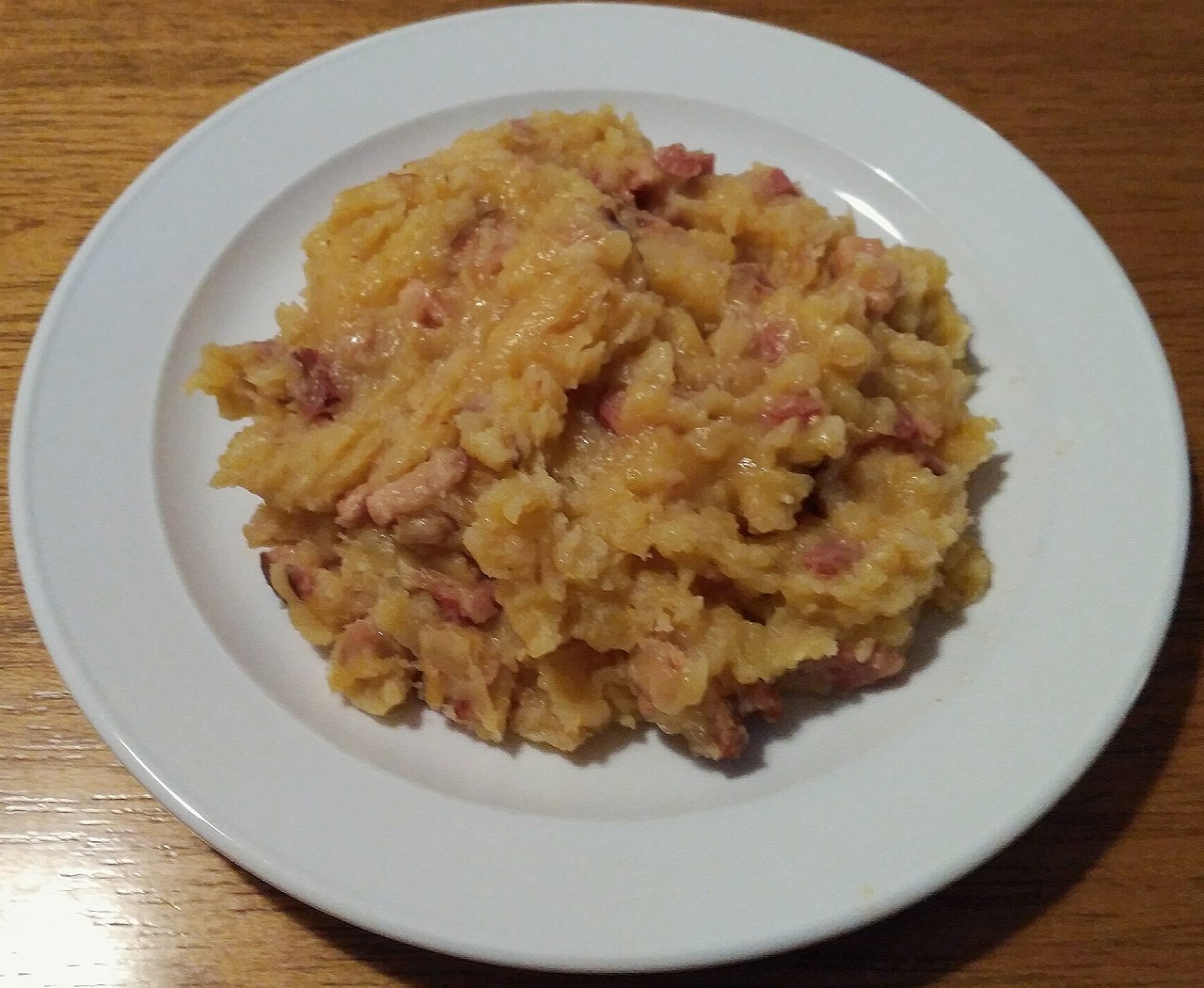
Basic porridge requires three elements: a grain, a liquid and heat. Oat flakes, rolled oats or steel-cut oats are popular because of their texture and digestibility. Other grains such as barley, rice, maize, millet or buckwheat are used in many regions. Cooking methods vary: it can be prepared on the stovetop, in a saucepan, in a microwave, or in slow cookers. Traditionally it was made in large iron kettles over an open fire.
Common toppings and variations
Porridge is customised with a wide variety of toppings and mix-ins. Sweet options include sugar, honey, fruit, nuts and syrup. In some places a pinch of salt is preferred—most famously in Scotland, where savoury porridge traditions persist. Other regional forms include rice congee, maize-based polenta, and corn grits or gruel-like preparations.
Varieties around the world
- Northern and Western Europe: oat porridge is a classic breakfast, especially across Northern Europe.
- East Asia: rice porridge known as congee or juk is commonly eaten for breakfast or as a restorative meal.
- Southern Europe and Latin America: coarse corn porridge takes forms such as polenta or atol.
- Eastern Europe: buckwheat or semolina-based porridges appear in many cuisines.
Nutrition and uses
Porridge is valued for being filling, inexpensive and easy to digest. It supplies complex carbohydrates, dietary fibre and, depending on the grain and liquid used, modest protein and micronutrients. Because of its gentle texture, porridge is commonly given to people who are convalescing, elderly, or otherwise need easily swallowed foods. It is also a traditional breakfast food that sustains people doing physically demanding work.
Historical and cultural notes
Historically, porridge has been a staple where affordable, storable grains were available. It appears in literature and social history; for example, Oliver Twist in the novel by Charles Dickens is famously served thin gruel. Porridge was often included in institutional rations and was long associated with boarding schools and prisons. In British slang, the phrase "doing porridge" (from English idiom) loosely means serving time in custody—an association with institutional fare.
Related foods and distinctions
Several dishes resemble porridge but differ in consistency or ingredients. Semolina is made from durum wheat and is commonly served as a sweet pudding-style dish in some cuisines; see semolina. Gruel is a thinner, more liquid form of porridge that may be drunk or spooned; historically it was common as an economical, easily swallowed food. These distinctions are matters of texture and grain type rather than strict culinary rules.
Contemporary context
Today porridge remains popular as a healthy breakfast choice, with many commercial quick-cook and instant products available. It is also embraced in modern cuisines with diverse toppings—seeds, spices and plant milks—reflecting both tradition and innovation. For practical guides and recipes see further resources on cereal selection and cooking technique at practical guides and general breakfast references at breakfast collections.
For more reading or to explore regional recipes and variations, consult culinary histories and regional food guides linked here: cereal basics, oats, water, milk, sugar, syrup, Scotland, salt, Northern Europe, breakfast, barley, microwave, kettles, prisons, English, slang, pudding, Oliver Twist, Charles Dickens.
Questions and answers
Q: What is porridge?
A: Porridge is a food made with a cereal, usually oats, boiled in water or milk, and is usually served hot in a bowl or dish.
Q: What do some people add to their porridge?
A: Some people add things such as sugar or syrup to their porridge.
Q: What is the traditional way of cooking porridge?
A: Traditionally, porridge was cooked in large metal kettles over hot coals, but nowadays it can be cooked in saucepans or in a microwave.
Q: Why was porridge often served as food for prisoners in prisons?
A: Porridge was often served as food for prisoners because it is healthy and easy to eat and digest.
Q: What is the slang expression in English related to porridge?
A: "Doing porridge" in English means "being in prison."
Q: What are the similar foods to porridge?
A: Semolina and gruel are foods which are similar to porridge, with semolina usually served as a pudding and gruel being a thinner version of porridge that may not need to be cooked.
Q: Why was heavy foods eaten historically?
A: Historically, heavy foods were eaten because most work was manual, and men and women doing hard work needed more calories per day than they need today.
Related articles
Author
AlegsaOnline.com Porridge: cooked cereal dish, varieties, preparation and cultural notes Leandro Alegsa
URL: https://en.alegsaonline.com/art/78164