
Malpighiales — a large, diverse order of flowering plants
Malpighiales is a broad order of flowering plants (Eurosids I) that contains many familiar families and genera. It is highly diverse in form, ecology and economic uses and was defined largely by molecular studies.
Overview
The Malpighiales are one of the largest and most diverse orders of flowering plants, placed within the Eurosids I clade in modern systems such as the APG classification. The order includes trees, shrubs, herbs and lianas and ranges from temperate to tropical regions. Its members are so varied in appearance and habit that their relationship became clear only after extensive molecular phylogenetic work.
Image gallery
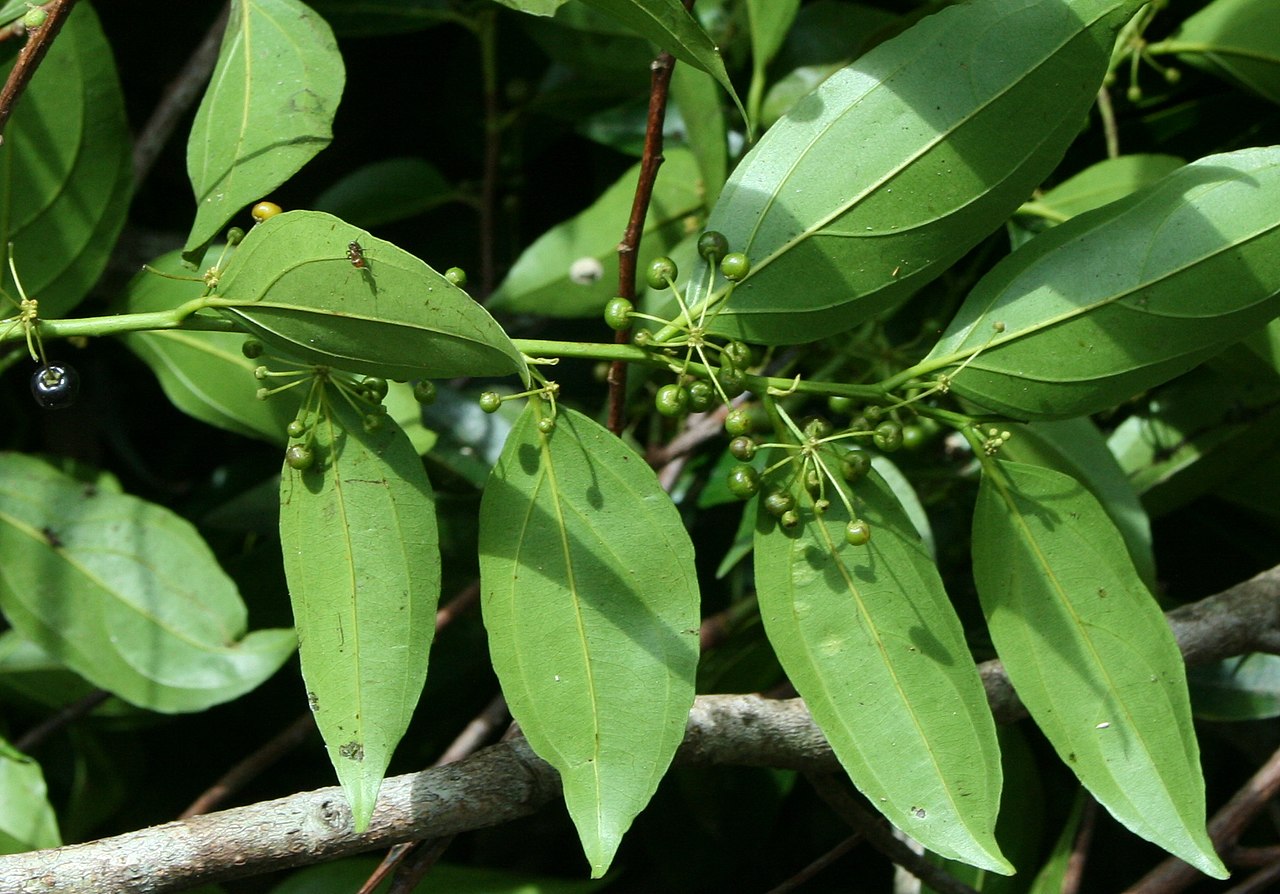
10 Images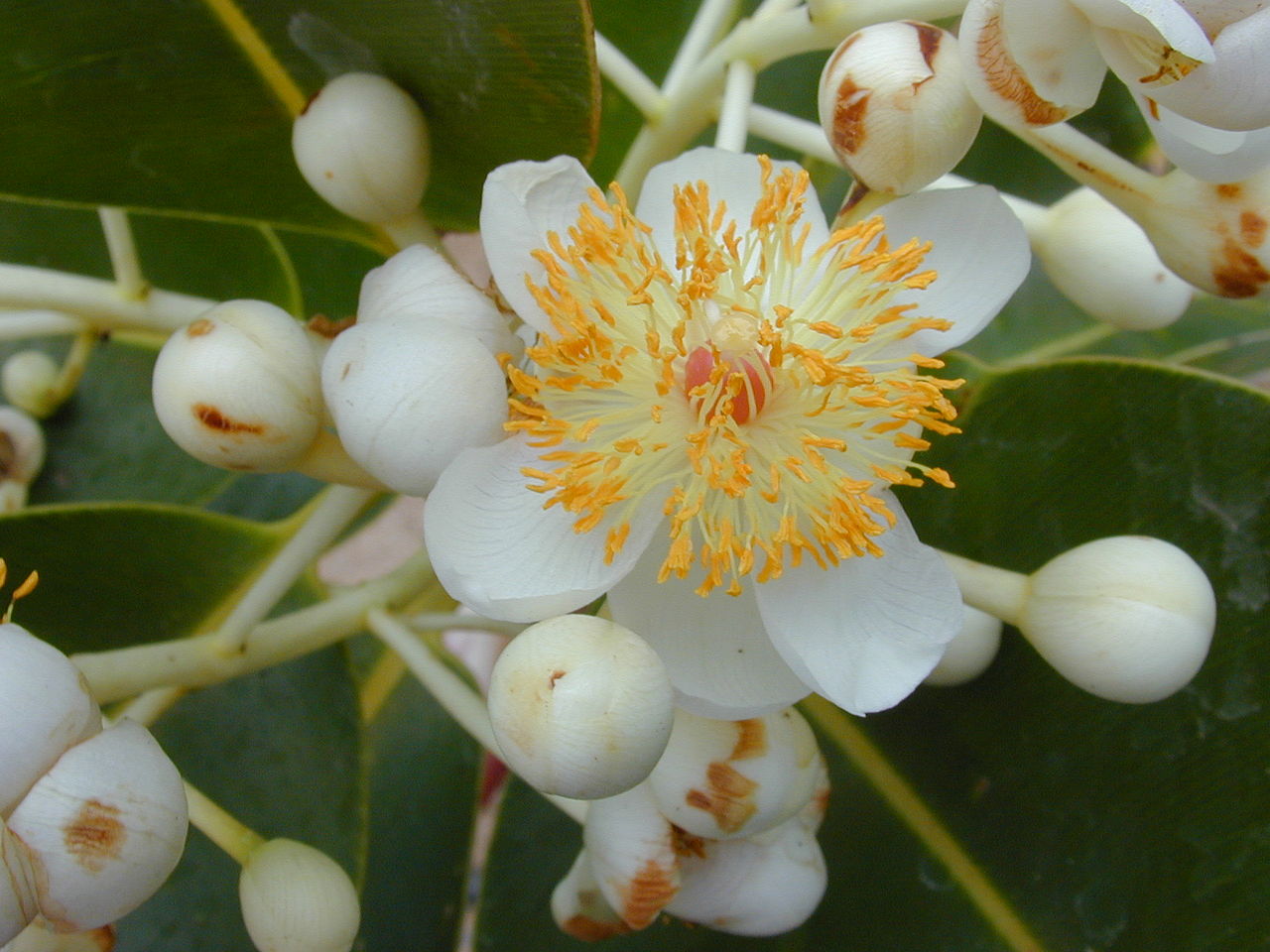


Characteristics and composition
There is no single outward character that defines all Malpighiales; specialists instead rely on combinations of floral features, seed anatomy and DNA evidence. The order comprises dozens of families and tens of thousands of species, and several well known genera illustrate its breadth. For example, small herbaceous plants such as the violets sit alongside riparian trees like the willows, fruiting vines such as passionfruit, ornamental taxa including the poinsettia, and fibre-producing plants such as flax. The large genus Euphorbia typifies some lineages: many euphorbs produce a milky latex and a variety of toxic or irritating compounds that reduce herbivory.
Notable families and examples
- Violaceae — the violet family, typically herbs with zygomorphic flowers.
- Salicaceae — willows and poplars, often associated with wet soils and riverbanks.
- Euphorbiaceae — spurges, a large family that includes succulents, ornamentals and some species with potent latex.
- Passifloraceae — passion flowers and fruiting vines valued for food and ornament.
- Linaceae — flax and relatives, notable for fibres and seed oil.
Ecology, distribution and uses
Members of the order occupy nearly every habitat and are important in many ecosystems. Some lineages are specialized for coastal or swamp habitats and include mangrove-associated species, while others dominate understories, grasslands or open temperate biomes. People cultivate many Malpighiales for food, fibre, ornamentals and timber; they also provide dyes, medicines and other products. Conversely, several taxa produce irritant or toxic chemicals that have defensive or ecological roles. A number of Euphorbia species, for example, are noted as toxic, weedy or otherwise problematic in agricultural and urban settings.
Evolution, classification and research
The recognition of Malpighiales as a coherent group is a relatively recent outcome of molecular systematics. Earlier morphological classification schemes distributed its families among disparate orders. Modern DNA-based analyses united many of these lineages but also revealed that certain relationships within the order remain difficult to resolve; Malpighiales is frequently cited as a challenging, active subject for phylogenetic research. Ongoing studies aim to clarify family limits, biogeographic history and the evolution of key traits such as latex production and specialised pollination syndromes.
Conservation and human interactions
Because the order includes taxa with wide ecological roles and significant human uses, conservation concerns vary from locally rare endemic species to widespread weeds. Habitat loss, invasive species and changing land use affect many malpighialean lineages. At the same time, research into their chemistry, genetics and systematics continues to provide insights of agricultural, horticultural and ecological importance.
Related articles
Author
AlegsaOnline.com Malpighiales — a large, diverse order of flowering plants Leandro Alegsa
URL: https://en.alegsaonline.com/art/61067