
Mandrake (Mandragora): plant description, history, uses, and folklore
Mandrake (genus Mandragora) is a nightshade family plant known for its forked root, historical medicinal uses, toxic alkaloids, and rich place in folklore and magic across the Mediterranean and West Asia.
Overview
Mandrake is the common name for several perennial plants in the genus Mandragora, members of the nightshade family (Solanaceae). Native to the Mediterranean, the Middle East and parts of central Asia, mandrakes are most notable for their thick, often bifurcated roots that can resemble a human form. The genus contains a small number of species that vary in leaf shape, flower color and fruit appearance, but they share a reputation for potency and mystery.
Image gallery
5 Images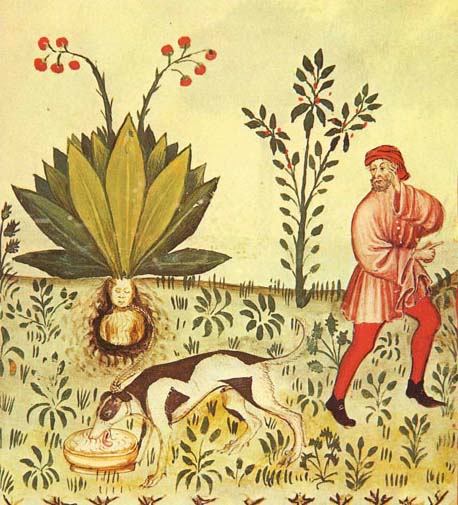


Botanical characteristics
Mandrakes grow from a basal rosette of leaves and produce solitary to few small flowers, followed by berry-like fruits that range from yellow to orange. The subterranean root is stout and can be shaped by age, soil and branching to suggest limbs and a torso; this anthropomorphic appearance contributed to many traditional interpretations. Chemically, mandrake roots contain tropane alkaloids—most notably scopolamine and hyoscyamine—which produce anticholinergic effects in humans and animals.
History and medicinal use
Plants of the genus Mandragora have a long history of use in folk medicine and classical herbal literature. Ancient and medieval herbalists described topical and internal preparations for pain relief, sleep induction and as sedatives. Traditional remedies often included tinctures or alcoholic extracts, poultices and occasionally inhaled vapors. Because of its pharmacologically active alkaloids, mandrake can act as an anesthetic or narcotic in small, controlled doses, but the margin between therapeutic and toxic doses is narrow.
Folklore, symbolism and cultural role
Mandrake has an outsized place in myth and magic. Across many cultures its root was attributed with powers related to fertility, protection and divination. A widespread medieval legend described the uprooting of a mandrake as producing a lethal scream; many ritual procedures and magical recipes grew up around the idea that special measures were needed to harvest one safely. Mandrake imagery appears in literature, art and later popular culture, where the plant often symbolizes mysterious or dangerous herbal power.
Toxicity and modern perspective
Because of its tropane alkaloids, mandrake is toxic: ingestion or improper topical use can cause dry mouth, blurred vision, confusion, hallucinations, rapid heart rate and in severe cases respiratory depression or death. For these reasons mandrake is not used in mainstream modern medicine, which favors purified compounds with known doses and safety profiles. Wild mandrake populations have been impacted by overcollection in some regions, and local protections or sustainable harvesting recommendations are sometimes in place.
Further reading and resources
- Taxonomy and species information
- Botanical descriptions and habitat
- Cultural history and folklore collections
- Nightshade family overview
- Phytochemistry and active compounds
- Horticulture and cultivation notes
- Anthropomorphic root studies
- Historical medical texts and analyses
- Folklore safety rituals and myths
- Conservation status and legal considerations
Notable distinctions: the common name "mandrake" has sometimes been applied to unrelated plants in folk usage, so botanical identification is important. When studying or encountering references to mandrake, differentiate literal plant uses from symbolic or magical claims. For practical purposes, modern readers should treat mandrake as a toxic plant of historical medicinal interest rather than a safe home remedy.
Related articles
Author
AlegsaOnline.com Mandrake (Mandragora): plant description, history, uses, and folklore Leandro Alegsa
URL: https://en.alegsaonline.com/art/61256